Enhancing Your Garden Design with the Creeping juniper Plant: A Landscaping Guide
1
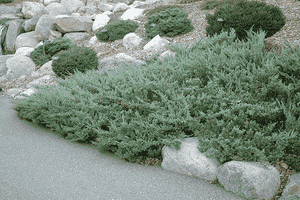
Creeping juniper's diverse hues and textures make it an excellent option for various landscape aesthetics.
2
Once rooted, Creeping juniper demands little upkeep, needing infrequent trimming and irrigation.
3
Ideal for rock gardens and borders, Creeping juniper flourishes in ample sunlight and well-draining ground.
Introducing Creeping Juniper in Landscaping: A Visual Appeal
What Makes Creeping Juniper Unique in Garden Designs?
The distinct qualities of Creeping Juniper make it prominent in any garden layout. Its low-growing nature and spreading habit offer a lush, green carpet effect that can beautifully cover the ground. The plant's dense foliage provides excellent ground coverage, lessening the need for extensive weeding and creating a neat, uniform appearance. Furthermore, Creeping Juniper is highly adaptable to various soil types and climates, making it a versatile option for many gardeners.
Color and Texture: Creeping Juniper's Contribution
Creeping Juniper is well-known for its attractive color and texture, which adds depth and interest to garden spaces. With hues ranging from rich green to silvery blue, it provides a variety of choices to suit different aesthetic preferences. The foliage is typically fine and needle-like, offering a unique texture that contrasts beautifully with broader-leaved plants. This blend of color and texture makes Creeping Juniper an excellent selection for adding visual interest and diversity to your landscape.
Seasonal Versatility of Creeping Juniper
One of the prominent features of Creeping Juniper is its seasonal adaptability. Unlike many plants that lose their charm in winter, Creeping Juniper maintains its vibrant foliage throughout the year. This perennial plant can endure harsh winters and still look appealing, providing garden continuity and color year-round. In the autumn, some varieties of Creeping Juniper may even develop a purplish tint, adding an extra layer of seasonal interest to your garden design.
Ideal Placement and Combinations with Creeping Juniper
Where to Plant Creeping Juniper for Optimal Impact
To achieve the best visual effect, plant Creeping Juniper in areas where its spreading habit can be fully utilized. It's perfect for covering large ground spaces, slopes, or any open areas needing ground cover. Creeping Juniper thrives in full sun but can tolerate partial shade, making it flexible for various garden locations. Ensure the soil is well-drained to prevent root rot and encourage healthy growth. Planting Creeping Juniper along pathways, borders, or as a foundation plant can also create a cohesive and attractive landscape.
Companion Plants: What Works Best with Creeping Juniper?
Creeping Juniper pairs wonderfully with a variety of complementary plants. Consider designing your garden by combining Creeping Juniper with ornamental grasses, which can enhance its texture and add height variation. Perennials like lavender, sage, and other low-growing shrubs can enrich the color palette and create a more dynamic landscape. When selecting companion plants, choose those with similar sunlight and soil requirements to ensure harmonious growth and care needs.
Incorporating Creeping Juniper in Rock Gardens and Borders
Rock gardens and borders are ideal settings to showcase Creeping Juniper. Its drought tolerance and low maintenance needs make it an excellent choice for rock gardens. The plant's ability to anchor soil and prevent erosion also benefits sloped areas. In borders, Creeping Juniper's spreading habit creates a natural, flowing edge that softens hard lines and transitions smoothly between different garden sections. Combining it with rocks, gravel, and other hardscape elements can also emphasize its natural beauty and rugged charm.
Maintenance Tips for Creeping Juniper in Your Landscape
Basic Needs: Sun Exposure and Watering
Creeping Juniper flourishes with minimal care, making it perfect for gardeners of all skill levels. Ensure the plant receives full sun to partial shade for optimal growth. Creeping Juniper requires well-drained soil and tolerates drought once established, needing only occasional watering during extended dry periods. Overwatering can lead to root rot, so it's crucial to let the soil dry out between waterings. Regularly check the soil moisture to maintain the balance.
Pruning Creeping Juniper: Timing and Techniques
Pruning Creeping Juniper is a straightforward task that helps maintain its shape and promotes healthy growth. The best time to prune is in late winter or early spring before new growth begins. Use clean, sharp pruning shears to remove any dead or damaged branches. Lightly trim overgrown areas to keep the plant tidy but avoid cutting into the older, woody growth, as this may not regrow. Regular pruning will help keep Creeping Juniper dense and healthy.
Dealing with Common Pests and Problems
While Creeping Juniper is relatively pest-resistant, it can occasionally attract issues such as spider mites or scale. Regularly inspect the plant for signs of infestation, such as discolored or damaged foliage. Treat affected plants with insecticidal soap or horticultural oil if pests are detected. Proper spacing and good air circulation can help prevent fungal diseases and rot. Ensuring the plant is not overwatered and that it grows in well-drained soil will also minimize the risk of disease.
Creative Landscaping Ideas Using Creeping Juniper
Ground Cover: Maximizing Creeping Juniper's Spreading Habit
Creeping Juniper is an excellent ground cover, thanks to its spreading habit and dense foliage. Use it to cover large, bare areas in your garden, reducing the need for extensive mulching or frequent weeding. Its ability to thrive in various soil conditions makes it an ideal choice for creating a continuous green carpet that helps control erosion and maintain soil moisture. Incorporating Creeping Juniper as ground cover can simplify garden maintenance while enhancing the overall aesthetic.
Using Creeping Juniper in Sloped and Difficult Areas
Sloped and challenging areas in your garden can benefit significantly from Creeping Juniper's growth characteristics. Its strong roots help stabilize the soil, preventing erosion on slopes and banks. Plant Creeping Juniper in difficult-to-mow areas where traditional turf grass struggles. Its adaptability to different soil types and conditions means it can bring greenery and manageability to less accessible parts of your garden. Incorporating stones or boulders with Creeping Juniper can further enhance its visual appeal and natural look.
Themed Gardens: Incorporating Creeping Juniper Effectively
Creeping Juniper can be a wonderful addition to themed gardens, such as Japanese or xeriscape gardens. Its simple yet elegant appearance fits well with the minimalist and natural designs typical of Japanese gardens. In xeriscape designs, which focus on water conservation, Creeping Juniper is perfect due to its drought tolerance and low water requirements. Use Creeping Juniper to create cohesive and attractive sections within these themed landscapes, adding to the garden's visual harmony and ecological efficiency.



