Enhancing Your Garden Design with the Common rush Plant: A Landscaping Guide
1
Juncus effusus introduces distinct texture and form to diverse landscape designs.
2
Juncus effusus is versatile, flourishing in a range of settings, from aquatic features to garden edges.
3
Appropriate siting and care for Juncus effusus guarantee its aesthetic value and extended lifespan.
Appreciating the Visual Charm of Common rush
Inherent Texture and Shape
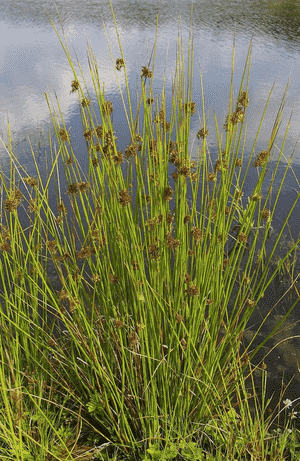
Common rush exhibits an inherent, erect growth pattern that imparts a distinct texture to any garden. Its slender, cylindrical stalks form a striking vertical element, making it an excellent choice for introducing structure and contrast. This unique configuration can alleviate the uniformity of more conventional garden flora, offering a refreshing alteration. Whether utilized as a solitary feature or in clusters, the inherent texture of Common rush conveys a sense of motion and fluidity, enhancing the overall visual appeal of your garden.
Diversity in Hue and Dimensions
Common rush is not a uniform plant; it comes in various colors and sizes, allowing you to customize its application to your specific landscaping requirements. The green tones of Common rush can range from vibrant and fresh to deep and muted, providing design flexibility. Furthermore, Common rush can vary in height, from shorter, more compact varieties to taller, more prominent ones. This variety means you can find the ideal type of Common rush to complement both your color scheme and spatial needs, making it a versatile addition to any garden.
Year-Round Visual Interest
A prominent characteristic of Common rush is its capacity to offer continuous visual appeal throughout the year. Unlike many garden plants that may only look their best during a particular season, Common rush maintains its aesthetic charm year-round. In winter, the stems of Common rush can persist, providing structure and texture when many other plants have receded. This makes it an invaluable component of a landscape designed for perpetual beauty, ensuring your garden remains attractive regardless of the season.
Integrating Common rush into Various Landscape Designs
Contemporary and Minimalist Landscapes
For those who prefer modern and minimalist garden aesthetics, Common rush presents an ideal solution. Its simple yet striking form integrates seamlessly into clean, minimalist layouts, and can function as a focal point or a background plant. The vertical lines of Common rush can complement linear design elements and hardscapes, such as stone pathways or contemporary planters. By pairing Common rush with minimalist features, you can create a tranquil and organized space that exudes modern sophistication.
Cottage and Rustic Garden Styles
Cottage and rustic garden designs greatly benefit from the inclusion of Common rush, thanks to its naturally wild appearance. When combined with other classic cottage plants like roses and lavender, Common rush can enhance the informal, lush feel characteristic of cottage gardens. Its unique texture provides a lovely contrast to the softer forms and colors of more traditional flowers, adding depth and diversity to the planting scheme. This adaptability makes Common rush an excellent choice for rustic and cottage-style gardens.
Water Features and Pond Environments
One of the most natural settings for Common rush is around water features and ponds. This plant thrives in moist conditions, making it perfect for adding a touch of nature to these areas. The reflection of Common rush in water creates a serene, almost ethereal beauty that can elevate the atmosphere of your garden. Additionally, Common rush can help with soil erosion and improve water quality by filtering runoff, providing both aesthetic and practical benefits. Incorporating Common rush around water elements is a sure way to enhance the tranquility and charm of your landscape.
Practical Advice for Planting and Arranging Common rush
Selecting the Optimal Site
Choosing the right location for Common rush is vital for its thriving. It flourishes in full sun to partial shade and prefers damp, well-drained soil. When planting Common rush, consider areas in your garden that might receive excess water, such as near downspouts or at the edge of a pond. These moist conditions mimic its natural habitat, ensuring optimal growth. Proper placement not only supports the plant's health but also maximizes its visual impact, integrating it seamlessly into your landscape.
Spacing for Optimal Development
Appropriate spacing is crucial when planting Common rush to ensure it has ample room to grow and develop. Position individual plants approximately 12 to 18 inches apart to allow for sufficient air circulation and reduce the risk of disease. This spacing also lets the plant's unique form stand out without overcrowding other elements of your garden. By giving Common rush adequate space, you promote healthy growth and maintain its aesthetic integrity, allowing it to be a standout feature in your landscape.
Companion Plants for Common rush
Pairing Common rush with suitable companion plants can enhance its visual appeal and foster a healthy garden ecosystem. Consider combining Common rush with plants that have contrasting textures or complementary colors. For instance, the soft foliage of ferns can provide a pleasing contrast to the upright stems of Common rush, while flowering plants like iris can add bursts of color. Additionally, plants with similar water and light requirements ensure harmonious growth, creating a balanced and cohesive landscape design.
Maintaining Common rush in Your Garden
Fundamental Care Guidelines
Maintaining Common rush is relatively straightforward. Consistent watering is essential, especially during dry spells, to keep the soil continuously moist. Mulching around the plant's base can help retain moisture and suppress weeds. While Common rush doesn't typically require fertilization, an occasional application of a balanced fertilizer can promote vigorous growth. Pruning dead or damaged stems keeps the plant looking neat and encourages new growth, ensuring Common rush remains a vibrant part of your landscape.
Addressing Common Issues
Although Common rush is generally robust, it can be susceptible to a few common problems, such as rust and fungal infections. To prevent these issues, ensure proper spacing for air circulation and avoid overhead watering. If you notice signs of disease, such as discolored or distorted stems, remove the affected parts immediately to prevent spreading. Regular inspection and prompt action can help keep Common rush healthy and thriving, maintaining its role as an attractive feature in your garden.
Seasonal Care Recommendations
Caring for Common rush involves some season-specific tasks to keep it in prime condition. In the spring, clear away any dead foliage from the previous year to make way for new growth. During the growing season, monitor moisture levels and water as needed. In the fall, cut back old stems to prepare the plant for winter. By following these seasonal care tips, you ensure that Common rush remains a robust and appealing part of your landscape throughout the year, adapting seamlessly to the changing seasons.



