Enhancing Your Garden Design with the Black walnut Plant: A Landscaping Guide
1
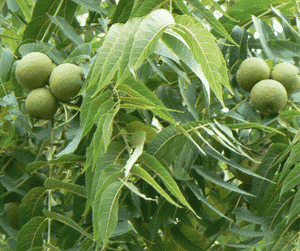
Black walnut creates a distinct visual appeal through its characteristic foliage and seasonal transformations.
2
Black walnut provides environmental advantages by offering natural shade and drawing in local fauna.
3
Planning around Black walnut's allelopathic characteristics necessitates thoughtful design and attention to plant compatibility.
Appreciating the Unique Beauty of Black Walnut
Distinctive foliage shape and hue
The charm of Black walnut starts with its unique leaf form and rich coloration. The tree's pinnate leaves, which can reach up to two feet in length, provide a lush, green canopy that is both inviting and visually appealing. This extensive foliage not only creates an attractive visual texture, but its deep green shade stands out brilliantly in any garden. This vibrant greenery offers a strong backdrop against which other plants can be displayed, enhancing the overall visual appeal of your outdoor space.
Seasonal transformations and visual appeal
Seasonal shifts introduce a new dimension of visual interest when you integrate Black walnut into your garden. In spring, observe as the tree bursts forth with fresh leaves. Summer highlights the tree's full canopy, offering dense shade and a cool retreat. As autumn arrives, Black walnut's leaves transform into a striking yellow, adding a splash of color to your garden before they drop, leaving a stark yet beautiful winter outline. This continuous change ensures your landscape remains dynamic and captivating throughout the year.
Natural height and canopy spread effects
One of Black walnut's most significant contributions to landscape design is its inherent height and broad canopy spread. With the potential to grow up to 100 feet tall and develop an expansive canopy, Black walnut commands a grand presence. This impressive size makes it a perfect centerpiece for large gardens or extensive yards. The tree's wide spread also creates numerous opportunities for layering plants beneath its canopy, allowing you to craft a multi-tiered garden that is both intricate and harmonious.
Advantages of Including Black Walnut in Large Gardens
Establishing natural shaded areas
Black walnut is an excellent choice for gardeners aiming to create natural shaded areas within their landscape. The large, dense canopy of Black walnut provides ample shade, making it ideal for establishing cool, relaxing spots in your garden. These shaded areas can serve as refuges during hot summer days or as havens for shade-loving plants. The natural shade provided by Black walnut not only enhances the garden's comfort and utility but also gives it a distinguished and mature appearance.
Boosting ecological value through wildlife attraction
Beyond its aesthetic appeal, Black walnut significantly boosts the ecological value of your garden by drawing in wildlife. The tree's nuts are a valuable food source for various bird and mammal species, fostering a vibrant ecosystem. By incorporating Black walnut into your landscape, you support biodiversity and encourage a harmonious natural environment. This not only enriches the biological health of your garden but also offers delightful chances to observe wildlife right in your backyard.
Using fallen leaves as natural compost
Another practical benefit of including Black walnut is the utilization of its fallen leaves as natural compost. As autumn arrives and the leaves drop, they can be gathered and used to create nutrient-rich compost. This organic matter can be spread throughout the garden, enriching the soil and improving plant health. By using Black walnut's leaves, you transform organic waste into a valuable resource, promoting sustainable gardening practices and reducing the need for chemical fertilizers.
Designing Around Black Walnut's Challenges
Specific considerations for plant compatibility
While Black walnut offers many advantages, it also presents unique challenges, especially regarding plant compatibility. The tree produces a chemical called juglone, which can hinder the growth of certain plants. Therefore, it's crucial to select companion plants carefully. Plants known to tolerate juglone include species such as ferns, hostas, and specific types of grasses. Planning your garden with these compatible plants ensures a healthy and flourishing landscape.
Soil considerations due to allelopathic properties
The allelopathic characteristics of Black walnut, referring to the plant's ability to release chemicals that affect other plants, must also be taken into account. Juglone can persist in the soil and impact the growth of nearby vegetation. It's important to test the soil and manage it appropriately to mitigate any potential negative effects. Strategies such as raised beds or choosing juglone-resistant plants can help maintain a balanced and productive garden.
Planning for mature tree size and root spread
Proper planning for the mature size and root spread of Black walnut is essential for long-term success in your garden. As Black walnut grows, its roots can extend far beyond the canopy, potentially affecting nearby structures or plants. It's important to allocate sufficient space when planting Black walnut and to position it away from buildings, sidewalks, or other garden elements that could be disrupted. This foresight ensures that Black walnut remains a beneficial component of your garden without causing unintended issues.
Practical Advice for Landscaping with Black Walnut
Choosing companion plants that thrive with Black walnut
Selecting the right companion plants is crucial for successfully landscaping with Black walnut. Opt for plants that can tolerate the presence of juglone. Examples include dogwood, red cedar, and forsythia. These plants not only withstand the allelopathic effects of Black walnut but also complement its aesthetic, creating a cohesive and visually appealing garden design.
Layout considerations to highlight Black walnut's magnificence
When designing your garden, place Black walnut in a location where its grandeur can be fully appreciated. Positions such as the center of a large yard or at the edge of a property where it can serve as a majestic boundary are ideal. The goal is to use Black walnut as both a focal point and a functional element, creating a balanced and intriguing landscape.
Long-term care tips for maintaining tree vitality
Maintaining the health of Black walnut involves regular care practices. This includes periodic pruning to remove dead or diseased branches, ensuring adequate water supply, and monitoring for pests or disease. Regular check-ups promote robust growth and extend the tree's lifespan. By investing in consistent care, you ensure that Black walnut continues to enhance your landscape for many years to come.



