Enhancing Your Garden Design with the Butternut Plant: A Landscaping Guide
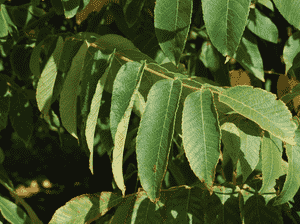
1
Butternut, with its distinct growth patterns and dimensions, serves as a adaptable element in diverse outdoor settings.
2
Including Butternut provides environmental advantages through aiding native fauna and enhancing ground quality.
3
Strategic positioning and selection of complementary flora can heighten Butternut's visual charm within your garden layout.
Introducing Butternut: A Natural Choice for Diverse Landscapes
Understanding the growth habit and size of Butternut
Grasping the growth pattern and dimensions of Butternut is crucial for effective landscape planning. Butternut typically achieves a considerable size, frequently reaching heights of 40 to 60 feet, with a spread of 35 to 50 feet. This magnificent tree is recognized for its wide canopy, offering ample shade and a striking outline against the sky. Butternut's growth rate is moderately paced, meaning it won't quickly outgrow its space, yet it will make a significant impression over time. Therefore, it's vital to provide Butternut with sufficient room to expand and avoid planting it too close to structures or other large trees.
Seasonal changes in Butternut: What to expect
One of Butternut's most captivating features is its beautiful seasonal transformations. In spring, Butternut bursts forth with fresh, vibrant foliage, adding a lively touch to your garden. As the seasons progress, Butternut's leaves transition to a lush green during summer, creating a calming and rejuvenating atmosphere. In autumn, Butternut becomes a spectacle with its leaves turning brilliant yellow hues, offering a striking contrast to the cooler tones in your landscape. However, Butternut is deciduous, so expect it to shed its leaves in late fall, leaving an elegant, bare framework that adds a different kind of beauty and structural interest to your winter garden.
The ecological benefits of incorporating Butternut in landscaping
Integrating Butternut into your landscape design isn't solely about aesthetics; it also provides several ecological advantages. Butternut is excellent for supporting local wildlife, offering habitat and food sources for various bird species, squirrels, and other small animals. Its nuts are particularly valued by wildlife, helping to sustain them through colder months. Furthermore, Butternut contributes to soil health by adding organic matter through its leaf litter, which decomposes and enriches the soil. Its extensive root system also aids in preventing soil erosion, making it a valuable addition to landscapes prone to this issue. By choosing Butternut, you're not only enhancing your garden's beauty but also positively contributing to the local ecosystem.
Design Principles: Integrating Butternut into Your Garden
Where to plant Butternut for optimal growth and aesthetic appeal
To ensure Butternut thrives and enhances your garden's visual appeal, careful consideration of its planting location is crucial. Butternut prefers well-drained soil and a spot that receives full sunlight or partial shade. When selecting a site, ensure it's spacious enough to accommodate the tree's mature size without crowding other plants or structures. Planting Butternut as a focal point in an open area can create a dramatic statement, especially if you design the surrounding landscape to draw the eye towards it. Alternatively, you can place it along your property's edges to serve as a natural privacy screen while still being an attractive part of the overall design.
Companion plants that pair well with Butternut
Pairing Butternut with suitable companion plants can significantly enhance your landscape design's overall effect. Choose plants that complement Butternut's growth habits and seasonal colors. Understory plants like ferns, hostas, and shade-tolerant perennials can thrive beneath Butternut due to the filtered light and rich soil conditions. Additionally, consider planting native wildflowers and shrubs that bloom at different times of the year to create a dynamic and continually evolving garden. The key is to select plants that benefit from the dappled shade and maintain a balanced visual harmony with Butternut's imposing presence.
How Butternut's unique features can enhance garden themes
Butternut's distinct characteristics make it a versatile element that can complement various garden themes. For a rustic, naturalistic garden, the tree's large, irregular form and textured bark provide a sense of timeless beauty and connection to the natural world. In a more structured, formal garden, Butternut can serve as a central specimen, surrounded by symmetrical plantings and orderly paths. Its dramatic fall color can be the highlight of a seasonal-themed garden, while its shade-giving canopy can create a cool retreat in a serene, contemplative garden design. By playing to Butternut's strengths, you can create a garden that is not only beautiful but also reflective of your personal style and vision.
The Long-Term Impact of Butternut on Landscape Architecture
Maintenance tips: Keeping Butternut healthy and thriving
To ensure Butternut remains a thriving and attractive part of your landscape, regular maintenance is key. Water Butternut deeply during dry spells to support its extensive root system and apply mulch around the base to retain soil moisture and regulate temperature. Pruning should be done in late winter or early spring to remove any damaged or diseased branches and to encourage robust growth. Fertilize Butternut annually with a balanced, slow-release fertilizer to provide essential nutrients. Regular monitoring for pests and diseases, such as cankers and leaf spot, is also important, and addressing issues promptly can prevent significant damage.
Assessing the maturity impact of Butternut on your landscape
As Butternut matures, its impact on your landscape will become more pronounced. Its growing canopy will provide increasing amounts of shade, which can affect the growth of other plants nearby. This means you may need to adjust your planting schemes over time to ensure that all your garden elements coexist harmoniously. Additionally, Butternut's mature size might necessitate occasional pruning to maintain balance and prevent it from overshadowing other key features of your design. Evaluating and planning for these changes in advance will help you maintain a cohesive and well-integrated landscape as Butternut reaches its full potential.
Challenges and solutions in landscaping with Butternut
Landscaping with Butternut can present challenges, but with thoughtful planning, these can be effectively managed. One common issue is the tree's tendency to produce an abundance of nuts, which can create litter and pose a slipping hazard. Regularly clearing fallen nuts can mitigate this problem. Another challenge is the allelopathic effect of Butternut, where chemicals released from the tree can inhibit the growth of certain plants nearby. To address this, choose plants that are known to be tolerant of these conditions or create a buffer zone with mulch or non-plant ground cover. Additionally, ensure you account for Butternut's large root system when planning nearby plantings or hardscaping to avoid interference.



