Enhancing Your Garden Design with the Arabian jasmine Plant: A Landscaping Guide
1
Select a bright location for Arabian jasmine cultivation to optimize its flowering capacity.
2
Consistent trimming of Arabian jasmine assists in preserving its form and stimulates fresh development.
3
Integrating Arabian jasmine with suitable plant varieties can establish a balanced garden aesthetic.
Introducing Arabian Jasmine in Garden Design
Appreciating the beauty of Arabian jasmine
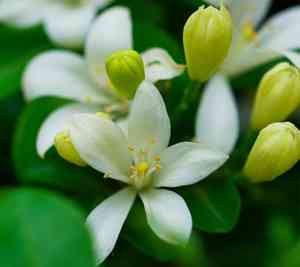
When designing your garden, recognizing the aesthetic charm of Arabian jasmine is key. This lovely plant features fragrant, white blossoms that appear year-round, bringing timeless grace to any garden. Its rich, green foliage offers a vibrant backdrop, fostering a lush and inviting atmosphere. The visual appeal of Arabian jasmine stems not only from its flowers but also from its capacity to elevate your outdoor area's overall feel.
Advantages of incorporating Arabian jasmine into your garden
Adding Arabian jasmine to your garden provides numerous benefits. Firstly, its continuous blooming cycle ensures your garden stays vibrant and fragrant for most of the year. This plant also requires relatively little upkeep, making it perfect for both new and experienced gardeners. Furthermore, Arabian jasmine attracts beneficial pollinators like bees and butterflies, fostering a healthy and thriving garden ecosystem. Lastly, Arabian jasmine can be utilized in various design applications, from ground covers to trellises, adding versatility to your landscaping choices.
Selecting the Optimal Site for Arabian Jasmine
Assessing light and shade requirements
Arabian jasmine thrives best in full sun, needing at least six hours of direct sunlight daily. However, it can also tolerate partial shade, making it adaptable to diverse garden conditions. When choosing a spot, ensure your plant receives sufficient sunlight to encourage robust growth and blooming. Avoid planting Arabian jasmine in overly shaded areas, as this can lead to fewer blooms and weaker plants.
Soil type considerations for Arabian jasmine
Soil quality is vital for the health and development of Arabian jasmine. This plant prefers well-draining soil rich in organic matter. A loamy soil mix, which balances sand, silt, and clay, is ideal. Before planting, conduct a soil test to determine its pH level. Arabian jasmine flourishes in slightly acidic to neutral soils, with a pH range of 6.0 to 7.5. Amend the soil with compost or aged manure to boost its fertility and drainage capabilities.
Planning space for growth and visual impact
Arabian jasmine can grow as a small shrub or a climbing vine, depending on how it's trained and pruned. When planning your garden space, consider the plant's mature size. Allocate ample room to accommodate its growth, ensuring it doesn't crowd other plants. For border planting, space Arabian jasmine plants about three feet apart. If using it as a climber on a trellis or fence, provide adequate support structures. Proper spacing allows for air circulation, which helps prevent diseases and maintains the plant's overall health.
Integrating Arabian Jasmine into Landscape Design
Design aesthetics that complement Arabian jasmine
Arabian jasmine is adaptable and blends well with various garden design styles. For a cottage garden, incorporate Arabian jasmine alongside roses, lavender, and other traditional flowers. In a tropical garden, combine it with palms, ferns, and brightly colored blooms for a lush, exotic feel. Mediterranean gardens also benefit from Arabian jasmine, paired with herbs like rosemary and sage, as well as drought-tolerant plants. Its flexible nature makes it suitable for both formal and informal garden designs.
Pairing Arabian jasmine with other plant varieties
Creating an attractive garden involves combining Arabian jasmine with complementary plant species. Consider pairing it with plants that have contrasting colors, textures, and growth habits. For instance, plant Arabian jasmine alongside evergreens like boxwood or juniper for a classic look. Mix it with flowering perennials such as daylilies or hostas to add seasonal interest. Using companion plants that bloom at different times of the year ensures a continuous display of beauty throughout the seasons.
Utilizing Arabian jasmine as garden focal points
Arabian jasmine can be strategically placed to serve as focal points in your garden design. Use it to anchor garden beds, draw attention to specific areas, or create visual interest along pathways. When using Arabian jasmine as a focal point, consider its growth habit and flowering period to ensure it remains a standout feature. Prune and shape the plant regularly to maintain its aesthetic appeal, and surround it with complementary plants that highlight its beauty.
Care Guidelines for Arabian Jasmine in Landscaping
Seasonal maintenance overview
Providing seasonal care for Arabian jasmine ensures its health and longevity. In the spring, prune dead or damaged branches to encourage new growth. During the summer, water the plant regularly, especially in dry periods. Mulching around the base helps retain moisture and suppress weeds. In autumn, reduce watering and add a layer of compost to nourish the soil. If you live in a region with harsh winters, protect Arabian jasmine from frost by covering it or moving potted plants indoors.
Addressing common environmental issues
Like any plant, Arabian jasmine may encounter environmental challenges such as pests, diseases, and extreme weather. Common pests include aphids and spider mites, which can be controlled with insecticidal soap or neem oil. Watch for signs of fungal diseases, such as powdery mildew, and treat them promptly with fungicidal sprays. Protect Arabian jasmine from strong winds by planting it in sheltered locations or using windbreaks. With proper care and attention, you can keep Arabian jasmine healthy and flourishing in your garden.
Innovative Concepts for Landscaping with Arabian Jasmine
Designing paths and borders with Arabian jasmine
Using Arabian jasmine to define pathways and borders adds structure and beauty to your garden. Its fragrant flowers create a pleasant sensory experience as you walk through your garden. Plant Arabian jasmine along paths to guide visitors and enhance the garden's layout. For borders, combine Arabian jasmine with low-growing plants to create layers of interest and prevent a monotonous appearance. Regularly trim and shape the plants to maintain neat and tidy edges.
Creative applications of Arabian jasmine in vertical spaces
Arabian jasmine can be effectively used to enhance vertical spaces in your garden. Train it to climb trellises, fences, or pergolas, adding height and dimension to your landscape. This is particularly useful in small gardens where space is limited. Vertical gardening with Arabian jasmine also helps to create privacy screens or hide unsightly views. Ensure that the support structures are sturdy and provide regular guidance to the plant's growth to achieve the desired effect.



