Enhancing Your Garden Design with the Common jasmine Plant: A Landscaping Guide
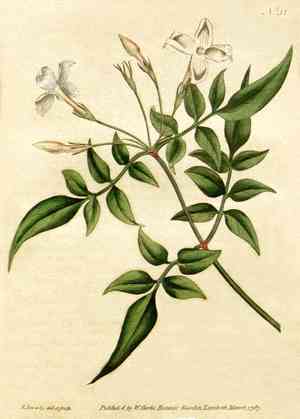
1
Incorporating Common jasmine into your garden provides both aesthetic beauty and a pleasant scent.
2
Common jasmine pairs well with diverse plant types to create a harmonious garden layout.
3
Knowing the yearly requirements of Common jasmine helps maximize its development and vitality.
Introducing Common Jasmine in Landscape Design
A brief look at Common jasmine's aesthetic appeal and scent
Common jasmine's delightful blooms and captivating aroma make it an excellent choice for any landscape plan. This plant displays clusters of delicate, star-shaped flowers among vibrant green leaves, bringing both charm and sophistication to gardens and yards. The fragrance of Common jasmine is well-known for its sweet and calming qualities, making outdoor areas not only visually pleasing but also wonderfully aromatic.
Why opt for Common jasmine in your garden or yard?
Selecting Common jasmine for your landscape is a decision that blends beauty, practical advantages, and ecological benefits. Its robust nature suits various climates and soil types, making it a flexible option for diverse gardening requirements. Furthermore, Common jasmine attracts pollinators like bees and butterflies, boosting your garden's biodiversity. Its capacity to climb and spread makes it ideal for forming natural screens, adorning trellises, or concealing unattractive structures.
Design Strategies: Incorporating Common Jasmine into Outdoor Spaces
Suggested spots for planting Common jasmine in your landscape
When adding Common jasmine to your landscape, consider placing it where it will receive ample sunlight and have space to expand. Optimal locations include near entrances or pathways where its scent can be most enjoyed. Planting Common jasmine close to fences, pergolas, or trellises allows it to climb naturally, enhancing vertical elements in your garden. Additionally, positioning it around seating areas can establish a peaceful and fragrant retreat.
Pairing Common jasmine with other plants for a unified look
Combining Common jasmine with complementary plants can heighten its beauty and help achieve a harmonious garden design. Think about pairing it with perennials and shrubs that offer contrasting foliage and bloom colors. Grasses and ground covers work well with Common jasmine to add texture and layers to your garden. Integrating Common jasmine with other flowering plants like roses or lavender can create a balanced color scheme and enrich aromatic diversity.
Using Common jasmine in small versus large gardens
Common jasmine is adaptable enough to flourish in both compact and expansive gardens. In smaller areas, use Common jasmine on trellises or in containers to maximize vertical space without overwhelming the site. For larger gardens, consider establishing a hedge or an extensive trellis to allow Common jasmine to showcase its full potential. In either scenario, regular pruning can help manage growth and maintain a neat appearance.
Seasonal Considerations for Common Jasmine
Optimal times to plant Common jasmine for best growth
To ensure Common jasmine thrives, plant it during spring or early autumn when temperatures are moderate. This timing allows the plant to establish its root system before encountering the intense heat of summer or the cold of winter. In regions with milder climates, Common jasmine can also be planted in late winter. Aligning planting times with seasonal transitions helps Common jasmine flourish and build a strong foundation.
Managing Common jasmine throughout the different seasons
Effective care for Common jasmine involves adjusting routines to seasonal changes. During spring and summer, focus on consistent watering, especially during dry periods, and prune after flowering to encourage new growth and maintain its form. In autumn, apply mulch to retain soil warmth and moisture. Winter care includes protecting Common jasmine from frost by covering it with burlap or other protective materials when necessary. Adapting care practices seasonally ensures continuous healthy growth.
Sustainable Practices with Common Jasmine
Environmentally friendly landscaping with Common jasmine
Common jasmine can be a cornerstone in creating an eco-conscious garden. Its ability to attract pollinators supports local ecosystems. Using organic fertilizers and avoiding chemical pesticides safeguards these beneficial insects. Composting around Common jasmine provides natural nutrients while reducing waste. Furthermore, native plant species alongside Common jasmine can foster a resilient and self-sustaining landscape.
Water conservation strategies when cultivating Common jasmine
Implementing water-saving practices while growing Common jasmine ensures sustainability and promotes plant vitality. Mulching around the base of Common jasmine helps retain soil moisture and decrease evaporation. Utilize drip irrigation systems to deliver targeted watering, minimizing water waste. Additionally, incorporating drought-tolerant companion plants can lower overall water consumption in your garden.
Creative Concepts for Common Jasmine in Landscape Projects
Innovative methods to feature Common jasmine in outdoor environments
There are numerous imaginative ways to highlight Common jasmine in your garden. Train it along arches or pergolas to create enchanting entrances. Use Common jasmine to conceal unattractive fences, transforming them into living walls. Integrate Common jasmine into garden structures like arbors or gazebos, allowing it to drape and form beautiful canopy covers. These inventive approaches can turn your garden into a captivating and fragrant sanctuary.
Examples of successful landscape designs featuring Common jasmine
Many gardens have successfully incorporated Common jasmine, showcasing its adaptability and charm. For instance, public gardens in urban areas use Common jasmine to soften the harsh appearance of concrete surfaces by letting it cascade over walls. Residential landscapes often employ Common jasmine to establish private, shaded areas in the backyard. Botanical gardens feature Common jasmine in themed sections, emphasizing its role in cottage gardens or fragrant plant collections. These examples demonstrate Common jasmine's versatility in various settings.



