Enhancing Your Garden Design with the Spanish jasmine Plant: A Landscaping Guide
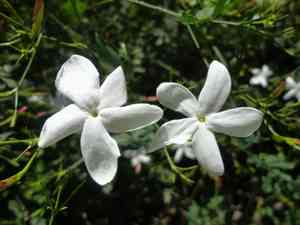
1
Spanish jasmine is a adaptable plant suitable for diverse landscape applications, such as establishing prominent features and edgings.
2
Spanish jasmine draws in helpful pollinators, contributing to the health of your garden's ecosystem.
3
Grasping the growth habits and seasonal requirements of Spanish jasmine is vital for its effective incorporation into your garden.
Introducing Spanish jasmine to Your Garden
Understanding the Growth Pattern of Spanish jasmine
Before planting Spanish jasmine in your garden, it's crucial to grasp its growth habits. Spanish jasmine is known for its robust and spreading growth, making it an excellent option for quickly covering large areas. This plant can ascend trellises, arbors, and walls, adding vertical interest to your space. Spanish jasmine is a perennial, meaning it will continue to grow and bloom annually, providing enduring beauty to your garden.
Choosing the Right Location for Spanish jasmine
Selecting the optimal spot for Spanish jasmine in your garden ensures its prosperity. This plant prefers full sun to partial shade, which encourages strong growth and abundant flowers. Confirm the chosen area has well-drained soil to prevent root rot. Spanish jasmine can tolerate various soil types, but it performs best in moderately fertile soil. Positioning it near structures it can climb or allowing it to trail over borders will enhance its visual appeal.
Complementary Plants for Spanish jasmine
Pairing Spanish jasmine with suitable companion plants can create a visually stunning garden. Consider planting Spanish jasmine alongside other climbers like clematis or morning glories for a burst of color and variety. Ground-level plants such as lavender, rosemary, or ornamental grasses can also offer an attractive contrast to the trailing nature of Spanish jasmine. These combinations can create a layered and textured look, adding depth and interest to your garden.
Design Ideas Using Spanish jasmine
Creating Focal Points with Spanish jasmine
Utilizing Spanish jasmine to establish focal points in your garden can significantly boost its allure. Plant Spanish jasmine at the base of a gazebo or pergola and allow it to intertwine around the structure, transforming it into a picturesque centerpiece. You can also plant it around a garden statue or water feature, with its fragrant blooms drawing attention and delighting the senses of anyone who enters the space.
Borders and Edges with Spanish jasmine
Spanish jasmine can be an excellent choice for forming borders and edges in your garden. Its dense, lush foliage can define pathways and beds, providing a natural boundary. When employed as an edging plant, Spanish jasmine can add a soft, romantic touch to formal garden designs and help to soften the transition between different garden sections. Regular trimming will help maintain its shape and encourage fuller growth.
Using Spanish jasmine in Vertical Gardening
Vertical gardening with Spanish jasmine is an innovative method to maximize garden space, especially in smaller areas. Plant Spanish jasmine in containers with integrated trellises, or train it to ascend walls and fences. This not only conserves ground space but also creates a lush, green backdrop. Vertical growth can also help improve air circulation around the plant, reducing the risk of fungal diseases and other garden pests.
Seasonal Considerations for Spanish jasmine
Best Time of Year to Plant Spanish jasmine
To give Spanish jasmine the best start, plant it during the spring or fall. Spring planting allows the plant to establish roots before the summer heat, while fall planting takes advantage of cooler temperatures and ample rainfall, promoting root development. Avoid planting Spanish jasmine during the peak of summer or in freezing winter conditions to ensure optimal growth and health.
Seasonal Care Tips for Spanish jasmine
Caring for Spanish jasmine involves a few seasonal considerations to keep it looking its best. During the active growth period, provide consistent watering, especially during extended dry spells. Fertilize Spanish jasmine in early spring using a balanced fertilizer to support new growth and flowering. Pruning should be done in late winter or early spring to remove any dead or overgrown branches, encouraging vigorous growth.
Preparing Spanish jasmine for Changing Seasons
As the seasons shift, it's important to prepare Spanish jasmine accordingly. In colder climates, mulching around the plant's base can protect its roots from freezing temperatures. If your region experiences harsh winters, consider providing additional protection with burlap wraps or planting Spanish jasmine in containers that can be moved indoors. In warmer climates, ensure Spanish jasmine receives adequate hydration during the hot summer months.
Ecological Benefits of Including Spanish jasmine in Your Landscape
Contribution to Local Ecology
Spanish jasmine plays a significant role in supporting local ecology. Its flowers provide nectar and pollen, essential resources for various pollinators, including bees, butterflies, and hummingbirds. By incorporating Spanish jasmine into your garden, you contribute to the health and diversity of your local ecosystem.
Attracting Pollinators with Spanish jasmine
One of the key advantages of Spanish jasmine is its capacity to attract pollinators. The sweet, fragrant blooms of Spanish jasmine are irresistible to bees, butterflies, and other beneficial insects. This not only aids in pollinating your garden plants but also promotes biodiversity, leading to a healthier and more sustainable garden environment.
Improving Air Quality with Spanish jasmine
Including Spanish jasmine in your landscape can also contribute to enhanced air quality. Like all green plants, Spanish jasmine absorbs carbon dioxide and releases oxygen during photosynthesis. Additionally, its dense foliage can help filter out airborne pollutants and dust, creating a cleaner and healthier garden environment for you and your family.



