Enhancing Your Garden Design with the Blue jacaranda Plant: A Landscaping Guide
1
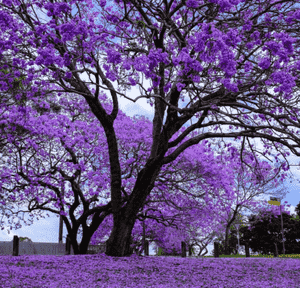
The Blue jacaranda offers a striking aesthetic with its vivid blue-purple blossoms.
2
Optimal positioning of the Blue jacaranda enhances its decorative appeal and improves garden beauty.
3
Appropriate care maintains the Blue jacaranda's health and guarantees enduring attractiveness in your outdoor space.
Introducing Blue Jacaranda in Garden Design
Understanding the visual impact of Blue Jacaranda
Blue Jacaranda is famous for its captivating, vivid blue-purple blossoms that can transform any garden. The tree's visual effect is undeniable, standing out with its unique color and delicate, fern-like leaves. When fully bloomed, Blue Jacaranda forms a stunning canopy of color, serving as a primary focal point in any landscape. This attractive appearance not only boosts aesthetic appeal but also brings peace and elegance to the garden.
Benefits of selecting Blue Jacaranda for your garden
There are several reasons why Blue Jacaranda is an excellent choice for garden landscapes. First, its deciduous nature provides shade in hot months while allowing sunlight through in cooler periods. Second, Blue Jacaranda requires relatively little upkeep, making it ideal for gardeners of all skill levels. Additionally, its striking flowers attract pollinators like bees and butterflies, enhancing your garden's biodiversity. Finally, Blue Jacaranda fits well into various garden designs, whether you prefer a modern minimalist look or a lush, tropical setting.
Optimal Placement of Blue Jacaranda in Your Garden
Assessing the best spots for planting Blue Jacaranda
Choosing the right location for Blue Jacaranda is vital for maximizing its beauty and ensuring its health. Plant it where it can receive full sunlight, as this encourages abundant flowering. A spacious area is best since Blue Jacaranda can grow quite large, with a wide-spreading canopy. Look for sites away from buildings or other structures to give it ample room to thrive. Also, planting Blue Jacaranda on a raised bed or slope can enhance its visual impact, allowing its stunning flowers to be admired from various garden viewpoints.
How to create focal points with Blue Jacaranda
To make Blue Jacaranda a captivating focal point, consider its placement relative to other garden elements. Positioning it at the end of a long path can draw the eye and create a picturesque scene. Alternatively, you can plant it near a seating area where its shade and beauty can be enjoyed up close. Pairing it with garden decorations like benches, birdbaths, or sculptures can further enhance its role as a centerpiece. The goal is to ensure Blue Jacaranda becomes an integral part of the garden's overall design, complemented by surrounding features.
Pairing Blue Jacaranda with Other Plants
Complementary plants that enhance Blue Jacaranda's beauty
When planning your garden, it's crucial to consider plants that will complement Blue Jacaranda. For instance, flowering shrubs with contrasting colors, such as reds, whites, and yellows, can highlight its blue-purple blooms. Ground covers like lavender or verbena can also provide a beautiful base that accentuates the tree's stunning flowers. Additionally, consider pairing Blue Jacaranda with evergreen plants that retain their foliage year-round, ensuring your garden has visual interest even when the jacaranda is not in bloom.
Understanding color and texture combinations
Effective garden design involves playing with both color and texture. With Blue Jacaranda, you have the striking blue-purple flowers as your starting point. Complement these with plants like silver-leaved sage or soft grasses that add a different texture without competing for attention. Use bold colors sparingly to avoid visual chaos; instead, opt for plants that offer harmonious blends like soft pastels or rich greens. The delicate foliage of Blue Jacaranda pairs beautifully with the coarser leaves of plants like hostas or broadleaf evergreens, creating a balanced and visually appealing garden.
Seasonal Considerations for Blue Jacaranda
What to expect from Blue Jacaranda across different seasons
Blue Jacaranda offers various benefits and challenges throughout the year. In spring and early summer, expect a burst of vibrant blooms that attract pollinators. During warm months, its foliage provides much-needed shade. As autumn nears, leaves fall, allowing more sunlight to reach the garden floor, which can benefit other plants. Winter, though a dormant period for Blue Jacaranda, gives your garden an open, airy feel and allows appreciation of its elegant branch structure.
Preparing Blue Jacaranda for changing weather conditions
To ensure Blue Jacaranda remains healthy through changing seasons, some preparations are necessary. Before winter, apply a thick layer of mulch around the base to protect roots from freezing. Complete any pruning before winter's onset to prevent disease entry during dormancy. During particularly dry summer spells, regular watering helps maintain the tree's health and vigor, though be careful not to overwater as Blue Jacaranda prefers well-drained soil.
Maintaining the Aesthetic Appeal of Blue Jacaranda
Regular practices to keep Blue Jacaranda looking its best
Routine maintenance is essential for keeping Blue Jacaranda at its peak. Regular pruning helps maintain its shape and encourages healthy growth. Remove any dead or damaged branches to prevent disease. Fertilize in early spring with a balanced, slow-release fertilizer to promote flowering and healthy foliage. Additionally, monitor for pests and diseases, addressing issues promptly to prevent their spread. Consistent maintenance not only enhances the beauty of Blue Jacaranda but also contributes to its longevity and overall health.
Quick tips for routine checks and balances
Here are a few quick tips to keep Blue Jacaranda thriving: First, water deeply but infrequently to encourage deep root growth. Second, watch for signs of stress, such as wilting or yellowing leaves, and promptly address any watering or nutrient issues. Third, apply a layer of organic mulch to help retain moisture and regulate soil temperature. Lastly, inspect the tree regularly for pests or diseases, and take swift action if any problems are found. Consistent care will ensure that Blue Jacaranda remains a stunning feature of your garden.



