Enhancing Your Garden Design with the Wall iris Plant: A Landscaping Guide
1
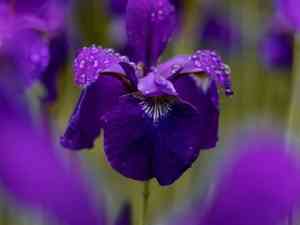
Wall iris contributes a remarkable aesthetic and tactile quality to any garden space.
2
Including Wall iris in your garden design can boost ecological variety.
3
Wall iris flourishes optimally in soil that drains well, receiving full to partial sun exposure.
Introducing Wall Iris in Outdoor Design
Overview of Wall iris's contribution to outdoor aesthetics
Integrating Wall iris into landscape projects can impart elegance and sophistication to exterior spaces. Renowned for its striking flowers and attractive foliage, Wall iris offers unique texture and color, enhancing the visual appeal of gardens, patios, and other outdoor areas. Its adaptability makes it an excellent choice for diverse garden styles and themes, creating focal points and boosting biodiversity.
Advantages of incorporating Wall iris into landscape planning
Including Wall iris in your landscape offers numerous benefits. Beyond its aesthetic value, Wall iris can improve garden environmental health by attracting pollinators like bees and butterflies. Its resilient nature allows it to thrive in various soil types and climates, making it a low-maintenance yet highly rewarding option for both novice and experienced gardeners.
Selecting the Optimal Site for Wall Iris
Considerations for choosing a Wall iris planting location
When selecting a Wall iris location, evaluate factors such as soil quality, drainage, and sun exposure. Well-drained soil is vital for healthy Wall iris growth, as waterlogged conditions can cause root rot. Additionally, the chosen spot should be spacious enough to accommodate Wall iris's expansion, ensuring ample room for natural spread without crowding.
Impact of sun and shade on Wall iris development
Wall iris thrives in full sun to partial shade. While it tolerates various light conditions, providing sufficient sunlight encourages more vibrant and abundant blooms. However, in areas with intense, direct sun, some partial shading can protect the plant from excessive heat, keeping its foliage lush and healthy. Always aim for balanced light exposure for optimal growth.
Integrating Wall Iris into Themed Landscapes
Utilizing Wall iris in formal garden designs
In formal garden settings, Wall iris can be used to create structured and visually pleasing displays. Plant Wall iris in defined groupings or along pathways to enhance garden symmetry and order. Their consistent height and striking flowers add a regal touch, making them ideal for traditional and classical garden designs. Consider pairing them with neatly trimmed hedges or ornamental grasses for a refined appearance.
Incorporating Wall iris into cottage-style and naturalistic schemes
For those preferring a more relaxed and organic garden style, Wall iris blends seamlessly into cottage-style and naturalistic designs. Mixed with wildflowers, shrubs, and perennials, Wall iris's informal growth pattern and colorful blooms contribute to a whimsical and inviting garden atmosphere. Its ability to harmonize with various textures and colors makes it a perfect addition for creating charming and vibrant garden settings.
Companion Plants for Wall Iris
Best practices for pairing Wall iris with other flora
Pairing Wall iris with appropriate companion plants can enhance its beauty and foster a healthier garden ecosystem. Seek plants that share similar growing conditions, such as well-drained soil and comparable sunlight needs. Suitable companions can help maintain soil quality and moisture levels, creating a balanced microenvironment that supports all plants' growth.
Choosing plants that complement Wall iris's growth and color scheme
To achieve a harmonious and visually appealing garden, select companion plants that complement Wall iris's growth habits and color palette. Plants with contrasting colors, like deep greens or purples, can make Wall iris's blooms stand out more vividly. Similarly, choosing plants with different heights and textures can create a layered effect, adding depth and dimension to your garden design. Good companions might include ornamental grasses, hostas, and other perennial flowers that thrive in similar conditions.



