Enhancing Your Garden Design with the Blue iris Plant: A Landscaping Guide
1
The striking blue color of the Blue iris is ideal for developing lively color schemes in your garden.
2
Incorporating Blue iris into your outdoor space adds seasonal appeal through its beautiful flowers.
3
Blue iris is adaptable and fits well into diverse garden aesthetics, ranging from classic to contemporary.
Exploring Blue Iris: A Concise Overview
Understanding the growth pattern and look of Blue Iris
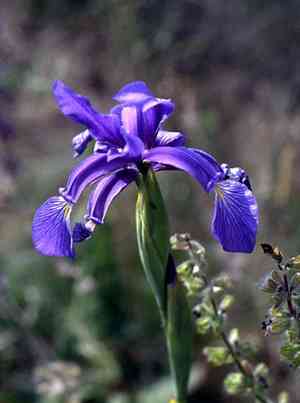
Blue iris is recognized for its elevated, graceful stems and striking blue blossoms. Reaching heights of 2 to 3 feet, it offers an elegant, vertical element in garden layouts. The flowers are typically a deep blue, occasionally featuring hints of purple or yellow in their intricate designs. This vibrant bloom captures attention and adds depth to planting schemes, making Blue iris a favorite among gardeners aiming for rich visual appeal in their landscapes.
Seasonal flowering cycles of Blue Iris and their visual effect
Blue iris typically flowers from late spring to early summer, providing a burst of color when many other plants are transitioning. The blossoms of Blue iris not only bring beauty but also act as a sign of seasonal change in your garden. Its blooming period offers a sense of anticipation and delight, as the blue flowers emerge and enhance the overall aesthetic of your landscape.
Incorporating Blue Iris into Landscape Themes
Creating color schemes with the shades of Blue Iris
The distinct blue shade of Blue iris can be utilized to develop a unified color palette in your garden. Pair Blue iris with similarly cool-toned flowers for a serene, calming effect, or blend with contrasting colors like yellows or oranges to create a dynamic, eye-catching display. The key is to use Blue iris as a central component around which other colors revolve, ensuring harmony and balance in your landscape design.
Combining Blue Iris with other plants for a unified appearance
Blue iris pairs well with various other plants. Consider companion plants such as daisies and hostas which complement Blue iris's sturdy stature with delicate foliage or blooms. You can also plant Blue iris alongside ornamental grasses for a texture-rich and visually appealing border. The complementary planting not only enhances Blue iris's presence but also promotes a healthy and thriving garden ecosystem.
Integrating Blue Iris into contemporary and traditional landscapes
Blue iris is adaptable enough to suit both modern and traditional landscape styles. In modern gardens, use Blue iris in structured, minimalist plantings where its clean lines and vibrant color can make a dramatic statement. For traditional settings, incorporate Blue iris into cottage gardens or perennial borders where its natural, lush appearance integrates seamlessly with classic garden elements.
Practical Advice for Planting and Caring for Blue Iris
Optimal practices for soil preparation and planting
Successful planting of Blue iris begins with proper soil preparation. Select a well-draining site with full to partial sun exposure. Loosen the soil and amend it with organic matter to encourage root growth. Plant Blue iris rhizomes shallowly, just beneath the soil surface, and space them about 12-18 inches apart to allow for air circulation and growth. Proper planting practices ensure a healthy start and robust blooms.
Maintaining Blue Iris for longevity and aesthetic appeal
Maintenance is crucial for keeping Blue iris looking its best. Regular watering, especially during dry spells, helps sustain flower production. Deadhead spent flowers to encourage more blooms and prevent seed formation. In fall, cut back the foliage to ground level to prepare for the next growing season. Additionally, every few years, divide crowded clumps to rejuvenate plants and maintain their vigor.
Creative Applications of Blue Iris in Landscape Design
Highlighting pathways and borders with Blue Iris
Blue iris is perfect for lining garden paths and borders. Its tall, upright form provides a visual guide, leading the eye and enhancing the flow of the landscape. Plant Blue iris along walkways to create a vivid, living border that defines space and adds color. This application not only beautifies the landscape but also makes garden routes more engaging and inviting.
Designing focal points in gardens with Blue Iris
Use Blue iris to create stunning focal points within your garden. Plant groups of Blue iris in prominent areas where their height and color will draw the eye, such as near entrances or in central garden beds. Combining Blue iris with other perennials or shrubs in layered plantings can amplify its visual impact, creating a memorable and captivating garden feature.
Utilizing Blue Iris in container gardening for versatility
Blue iris can also flourish in containers, making it a flexible choice for small spaces or patios. Choose large, well-draining pots and fill them with quality potting mix. Group containerized Blue iris with other potted plants for a mobile and adaptable garden scene. This approach allows you to enjoy the beauty of Blue iris even in areas where garden space is limited.



