Enhancing Your Garden Design with the Siberian iris Plant: A Landscaping Guide
1
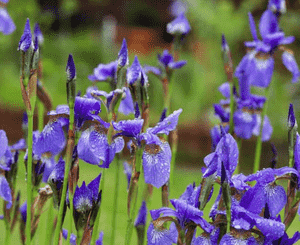
Siberian iris brings vivid hues and distinct form to your outdoor space.
2
Siberian iris is very versatile and flourishes in diverse weather conditions.
3
Siberian iris needs little upkeep to maintain its lasting appeal.
Why Select Siberian Iris for Your Outdoor Space?
Aesthetic Appeal: Boosting Beauty with Hue and Form
Siberian iris is a striking option for any garden design, offering a vivid burst of color and an elegant shape. Its blooms come in various beautiful shades, including blues, purples, and whites, which can blend in or stand out against other garden elements. The plant's tall, slender stems and delicate petals create a visually captivating scene that can serve as a focal point or complement existing features in your garden.
Adaptability: Siberian Iris's Durability in Diverse Climates
One of the greatest strengths of Siberian iris is its versatility. This plant is incredibly tough and can thrive in various climates, making it a flexible addition to gardens worldwide. Whether you live in a region with cold winters or hot summers, Siberian iris can adjust to the conditions with remarkable ease. Its hardiness ensures that gardeners don't need to worry about extensive protective measures, allowing the plant to flourish year-round with minimal intervention.
Maintenance: Minimal Effort for Sustained Growth
For those who prefer low-upkeep gardening, Siberian iris is an ideal choice. Once established, it requires very little attention, making it perfect for busy gardeners or those new to landscape design. Routine tasks such as occasional watering, mulching, and removing spent blooms can keep Siberian iris healthy and vibrant. Its resistance to common diseases and pests further reduces the need for constant oversight, allowing the plant to provide long-term beauty with minimal effort.
Design Concepts Using Siberian Iris
Borders and Edges: Defining Garden Areas
Using Siberian iris along borders and edges can effectively define garden spaces, creating a neat and organized appearance. The plant's tall stalks help delineate different areas within the garden while its colorful blooms add interest and charm to otherwise plain boundary lines. This approach enhances the overall structure of your garden, giving it a more refined and cohesive look.
Mass Plantings: Crafting Striking Displays
Mass plantings of Siberian iris can create bold and stunning displays that become the highlight of your garden. Grouping many plants together amplifies their visual impact, resulting in a striking sea of color and texture. This method works particularly well in larger garden spaces where you can dedicate areas to a single plant species, providing a dramatic yet harmonious aesthetic.
Alongside Water Features: Natural Pairings
Siberian iris thrives in moist conditions, making it an ideal partner for water features such as ponds, streams, and fountains. Placing Siberian iris near water elements not only highlights the plant's natural beauty but also mirrors the tranquility and flow of the water. This pairing creates a serene and picturesque setting reminiscent of natural landscapes, enhancing the overall ambiance of your garden.
Planting and Cultivation Tips for Siberian Iris
Optimal Planting Time: Maximizing Growth Cycles
Planting Siberian iris at the correct time is crucial for optimizing its growth cycles. The best time to plant Siberian iris is in the spring or early fall when the weather is mild. These periods provide the plant with ample time to establish roots before the extreme temperatures of summer or winter. Planting during these times ensures vigorous growth and blooming in subsequent seasons.
Soil Preferences: Ensuring Proper Nutrient Uptake
Siberian iris prefers well-drained soil that is rich in organic matter. To enhance nutrient absorption, prepare the planting site by incorporating compost or well-rotted manure into the soil. This not only improves soil structure but also provides essential nutrients that encourage healthy growth. While Siberian iris can tolerate a range of soil types, ensuring proper drainage is crucial to prevent root rot and other water-related issues.
Sunlight and Watering: Balancing Environmental Factors
Balancing sunlight and watering is essential for the healthy growth of Siberian iris. While it thrives in full sun to partial shade, optimal growth occurs with at least six hours of direct sunlight per day. Water Siberian iris regularly, particularly during dry spells, to keep the soil consistently moist but not waterlogged. Mulching around the base of the plants can help retain soil moisture and regulate temperature, supporting robust development.
Companion Plants for Siberian Iris
Species that Boost Visual Impact
Pairing Siberian iris with complementary species can enhance the visual impact of your landscape. Plants with contrasting textures or colors, such as ornamental grasses or pink peonies, can create a stunning juxtaposition. Consider the blooming periods of companion plants to ensure a continuous display of color throughout the growing season, creating a dynamic and ever-changing garden landscape.
Beneficial Neighbors: Fostering Garden Health
Choosing beneficial neighbors for Siberian iris can promote overall garden health. Plants that attract pollinators, such as lavender or coneflowers, can improve pollination rates for your entire garden. Additionally, companion plants that deter pests or diseases, like marigolds, can protect Siberian iris and its neighbors from potential threats, fostering a thriving and resilient garden ecosystem.
Avoiding Harmful Combinations
While many plants can coexist harmoniously with Siberian iris, some combinations should be avoided. Highly competitive plants that aggressively spread or those that require significantly different growing conditions may hinder Siberian iris's growth. Avoid planting next to species that prefer extremely dry or poorly drained soils, as these conditions can stress Siberian iris and reduce its vigor.



