Enhancing Your Garden Design with the Sweet iris Plant: A Landscaping Guide
1
Sweet iris flourishes optimally in soil that drains well and receives ample sunlight.
2
Pairing other plants with Sweet iris can improve your garden's aesthetic.
3
Consistent care is crucial for maintaining the health and vibrancy of Sweet iris.
Introducing Sweet Iris to Your Landscape
Overview of Sweet iris and its visual characteristics
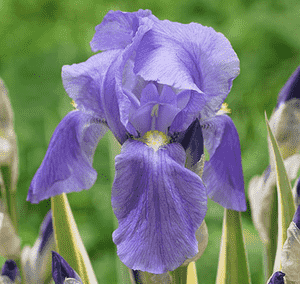
Recognized for its striking, blade-like foliage and graceful blossoms, Sweet iris is a cherished addition to numerous gardens. Its flowers, often displaying shades of blue, violet, or white, emit a subtle scent that can enhance any outdoor area. The structure of Sweet iris not only adds height to garden beds but also provides a focal point that can elevate the overall appeal of your landscape.
The role of Sweet iris in improving garden aesthetics
Sweet iris plays a key role in enhancing garden beauty by introducing texture, elevation, and color. When integrated into your garden, it can generate impressive visual interest, particularly when planted in clusters. The tall, elegant flowers of Sweet iris rise above other plants, creating a layered effect that brings depth and dimension to your garden design. Its distinct appearance and pleasant fragrance make it a favorite among gardeners aiming to create a tranquil and visually pleasing outdoor space.
Selecting the Ideal Spot for Sweet Iris
Considerations for sunlight and shading
Choosing the correct location for Sweet iris in your garden is vital for its development and well-being. Sweet iris thrives best in full sun, needing at least six hours of direct sunlight daily. While it can endure partial shade, insufficient light may result in reduced flowering and weaker plants. Ensuring your chosen spot receives ample sunlight will help Sweet iris produce vibrant blooms and lush foliage.
Soil type preferences for optimal growth of Sweet iris
Sweet iris prefers well-draining soil to prevent root rot and other moisture-related issues. Sandy or loamy soils are perfect, as they facilitate proper drainage while retaining sufficient moisture for the plant. If your garden soil is heavy clay, consider amending it with organic matter such as compost or peat moss to improve its texture. Ensuring the right soil conditions will promote healthy root development and vigorous growth for Sweet iris.
Integrating Sweet Iris with Other Plants
Companion planting: Best matches for Sweet iris
Companion planting with Sweet iris can create a harmonious and visually appealing garden. Consider pairing Sweet iris with plants that have contrasting foliage or complementary colors. Salvia, daylilies, and peonies are excellent companions, as they share similar sunlight and soil requirements. These combinations not only enhance the beauty of your garden but also promote a healthy and thriving ecosystem.
Design tips for layering and color coordination
When incorporating Sweet iris into your garden design, consider layering and color coordination to achieve a cohesive look. Plant Sweet iris towards the back of your garden beds to serve as a dramatic backdrop. In front, use shorter plants with different textures and colors to create a tiered effect. The blue and purple hues of Sweet iris pair beautifully with yellow or orange flowers, making your garden a vibrant and inviting space.
Seasonal Considerations for Sweet Iris
When is the best time to plant Sweet iris?
The optimal time to plant Sweet iris is in late summer or early fall, allowing it ample time to establish roots before winter. Planting during this period ensures that Sweet iris will be well-rooted and ready to bloom in the spring. Ensure that the soil is not too wet, as excess moisture can hinder the establishment process. Timely planting sets the foundation for a healthy and thriving Sweet iris in your garden.
Understanding the blooming cycle of Sweet iris
Sweet iris typically blooms in late spring to early summer, producing striking flowers that last for several weeks. Understanding this blooming cycle allows you to plan your garden layout effectively, ensuring that Sweet iris complements other seasonal flowers. After blooming, the foliage remains green and can add visual interest to the garden for the rest of the growing season. Knowing the cycle helps you maintain a continuous display of color and beauty in your garden.
Maintaining the Beauty of Sweet Iris in Your Landscape
Basic maintenance tips for Sweet iris
Maintaining Sweet iris in your garden requires regular watering, especially during dry spells, to keep the soil consistently moist but not soggy. Mulching around the base of the plant helps retain moisture and suppress weeds. Deadheading spent blooms encourages further flowering and prevents the plant from using energy to produce seeds. Additionally, dividing overcrowded clumps every few years ensures continued healthy growth and bloom production.
Handling common challenges with Sweet iris
Common challenges with Sweet iris include pests such as iris borers and fungal diseases like leaf spot. Regularly inspect your plants for signs of pests or disease and take prompt action if needed. Applying a systemic insecticide can help manage insect issues, while proper spacing and air circulation can prevent fungal problems. Removing and disposing of affected leaves also helps control the spread of disease, keeping your Sweet iris healthy and beautiful.



