Enhancing Your Garden Design with the Rabbitear iris Plant: A Landscaping Guide
1
Rabbitear iris brings a distinctive aesthetic appeal to any garden design.
2
Strategic positioning and pairing are crucial for enhancing Rabbitear iris's effect.
3
Consistent seasonal and ongoing maintenance guarantees Rabbitear iris stays a focal point in your garden.
Introducing Rabbitear Iris to Your Garden
Appreciating the distinct visual charm of Rabbitear iris
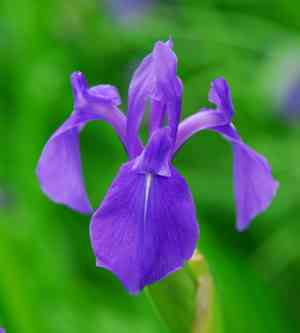
If you seek to infuse your garden with grace and singular beauty, Rabbitear iris is an excellent selection. With its striking blossoms and slender stalks, Rabbitear iris imparts a delicate yet powerful aesthetic to any garden area. The plant's unique coloration and structure make it a prominent feature that can enhance the overall look of your landscape design.
The importance of Rabbitear iris in garden designs
In the realm of landscaping, Rabbitear iris serves beyond mere ornamentation. It possesses cultural and historical significance that can enrich your garden's story. Incorporating Rabbitear iris into your landscape design can also attract beneficial insects and contribute to ecological balance. Its aesthetic adaptability allows it to integrate smoothly into various garden themes, from classic to contemporary.
Designing Your Landscape with Rabbitear Iris
Evaluating optimal sites for Rabbitear iris in your garden
When deciding where to place Rabbitear iris, consider elements such as sunlight exposure, soil composition, and water runoff. Rabbitear iris flourishes in areas with ample sun and well-draining soil. It's also crucial to ensure the chosen spot isn't prone to water accumulation, as this can impact the plant's growth and vitality. Positioning Rabbitear iris near water features or at pond edges can also mimic its natural habitat, creating a tranquil and picturesque scene.
Pairing Rabbitear iris with other plants for a unified appearance
For a cohesive garden aesthetic, consider combining Rabbitear iris with complementary flora. Ornamental grasses, ferns, and other moisture-loving plants can establish a harmonious and balanced landscape. The contrasting textures and hues will amplify Rabbitear iris's visual appeal, providing a pleasing and integrated garden look that delights the eye across different seasons.
Integrating Rabbitear Iris into Garden Layouts
A step-by-step guide to planting Rabbitear iris
Start by choosing a brightly lit spot with good soil. Dig a hole twice the width of Rabbitear iris's root ball but of equal depth. Carefully position Rabbitear iris in the hole, ensuring the top of the root ball is level with the ground. Backfill the hole with soil, pressing gently to remove air pockets. Water thoroughly to settle the soil around the roots. Mulching around the base can help retain moisture and deter weeds.
Design suggestions for maximizing Rabbitear iris's impact
To make Rabbitear iris a central feature, consider strategic placement within your garden's arrangement. Use Rabbitear iris to border pathways or create a stunning edge along garden boundaries. Group them in odd numbers like threes or fives for a natural effect. Additionally, varying the heights of surrounding plants can create visually engaging layers, drawing attention to Rabbitear iris and enhancing its prominent characteristics.
Seasonal and Long-term Care for Rabbitear Iris
Seasonal considerations for Rabbitear iris upkeep
Each season presents distinct care requirements for Rabbitear iris. In spring, apply a balanced fertilizer to encourage growth. During summer, ensure consistent watering, especially during dry spells. Prune spent flowers to promote further blooming. As autumn approaches, reduce watering and cut back foliage once it dies down. Winter protection, such as mulching, can shield Rabbitear iris's roots from severe cold.
Ensuring the enduring health and beauty of Rabbitear iris
Long-term care for Rabbitear iris involves regular inspections and appropriate maintenance practices. Periodically check for pests and diseases, and address any issues promptly. Divide congested clumps every few years to revitalize the plant and encourage robust blooming. Properly timed feeding, watering, and pruning will keep Rabbitear iris looking its best year after year, ensuring it remains a vibrant component of your landscape.
Common Issues and Solutions with Rabbitear Iris
Addressing typical problems encountered by Rabbitear iris in gardens
Gardeners may face several challenges when cultivating Rabbitear iris, such as rot due to excessive watering or poor drainage, pests like aphids and slugs, and fungal diseases such as leaf spot. Implementing proper planting techniques and maintenance routines can alleviate many of these issues. Prompt action upon noticing symptoms can prevent spread and maintain plant health.
Expert advice for resolving Rabbitear iris problems
When dealing with pests, consider natural remedies like introducing beneficial insects or using organic sprays. For fungal problems, remove affected leaves and treat with suitable fungicides. If plants show signs of poor health due to water issues, improve drainage by adding compost to the soil or relocating plants to more appropriate spots. Proper plant spacing can also enhance air circulation, reducing the risk of diseases.



