Enhancing Your Garden Design with the Douglas Iris Plant: A Landscaping Guide
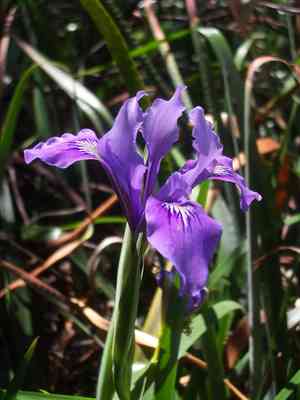
1
Douglas Iris flourishes in soil that drains well and receives some sunlight.
2
The beautiful flowers of Douglas Iris make it a great centerpiece for garden aesthetics.
3
Appropriate care throughout the seasons guarantees Douglas Iris stays robust and lively all year.
Introducing Douglas Iris for Landscaping
Brief overview of Douglas Iris's visual appeal and use in garden design.
When considering plants to elevate your landscape's visual charm, Douglas Iris stands out as an excellent option. Renowned for its striking foliage and vivid blossoms, Douglas Iris adds a burst of color that can revitalize any garden area. Its adaptability allows it to seamlessly integrate into various landscaping styles, from contemporary designs to more classic, naturalistic environments. The beauty and flexibility of Douglas Iris make it a preferred choice for landscapers and garden enthusiasts aiming to enhance their outdoor spaces.
Understanding the fundamental needs of Douglas Iris for landscape integration.
Before incorporating Douglas Iris into your landscape, grasping its basic growth requirements is vital. Douglas Iris typically prefers well-drained soil and partial to full sun exposure. It is a resilient plant capable of enduring diverse conditions, but for optimal development, consistent watering and proper soil preparation are crucial. By ensuring these fundamental needs are met, you can achieve a robust and flourishing display of Douglas Iris in your garden.
Selecting the Ideal Spot for Douglas Iris
Assessing sun exposure: optimal conditions for Douglas Iris development.
Choosing the correct placement for Douglas Iris in your garden is key to its success. This plant thrives in partial sunlight but can also tolerate full sun. It's important to observe the sun's movement across your garden throughout the day and select a spot where Douglas Iris receives appropriate light. Excessive shade might impede its growth, while too much direct sun could stress the plant. By finding a balanced location, you can create an ideal environment for Douglas Iris.
Soil considerations: preparing the best soil blend for Douglas Iris.
The soil type in which you plant Douglas Iris will significantly influence its health and growth. Douglas Iris prefers well-drained soil rich in organic matter. Before planting, it's beneficial to amend the soil with compost or aged manure to boost its nutrient content. Additionally, ensuring a proper soil pH, typically neutral to slightly acidic, will support vigorous growth. Meticulous soil preparation will give your Douglas Iris the best possible start.
Water drainage requirements for Douglas Iris.
Water drainage is a critical element for the successful growth of Douglas Iris. Poorly drained soil can lead to root rot, which is harmful to the plant. To ensure adequate drainage, consider building raised beds or using soil amendments like sand or perlite to improve soil aeration. Regularly check the soil's moisture level, and water Douglas Iris only when necessary to maintain a consistent yet not overly saturated environment. Proper drainage will help keep Douglas Iris healthy and prevent common issues associated with waterlogged soil.
Design Principles Utilizing Douglas Iris
Creating focal points with Douglas Iris: tips on placement and grouping.
One of the most effective ways to use Douglas Iris in your landscape design is by establishing focal points. Positioning Douglas Iris where its vivid colors and striking form can attract attention helps to visually anchor the garden. You can achieve this by planting Douglas Iris in clusters or groups, which creates a more substantial visual impact. Strategic placement near garden entrances, patios, or water features can further enhance its role as a focal point. Experiment with different placements to discover the best spots that highlight the beauty of Douglas Iris.
Color coordination in design: how Douglas Iris's shades complement other garden elements.
The vibrant hues of Douglas Iris make it an excellent plant for color coordination in garden design. Its shades can harmonize with various other plants, creating a cohesive and visually pleasing garden palette. Pairing Douglas Iris with complementary or contrasting colors from other flowers and foliage can produce stunning effects. Consider the overall theme and color scheme of your garden when incorporating Douglas Iris to ensure its colors enhance the landscape to the fullest.
Integrating Douglas Iris into diverse garden themes and styles.
The adaptability of Douglas Iris allows it to be incorporated into various garden themes and styles. Whether you prefer a modern minimalist garden, a traditional cottage garden, or a Japanese-inspired landscape, Douglas Iris can fit perfectly into the design. Its natural elegance and flexibility make it suitable for a variety of settings. Experiment with different themes and observe how Douglas Iris can blend with and enhance the overall aesthetic of your garden.
Caring for Douglas Iris in Your Landscape
Seasonal care advice for Douglas Iris: what to do in spring, summer, and fall.
Maintaining Douglas Iris throughout the year requires specific seasonal care to ensure its vitality. In spring, focus on preparing the soil and ensuring sufficient moisture. Summer care involves consistent watering and possibly some shading to protect from intense sun. During fall, clear away dead foliage and apply mulch to shield the roots from frost. By following these seasonal guidelines, Douglas Iris will remain healthy and vibrant year-round.
Pruning and grooming: keeping Douglas Iris looking its best.
Regular pruning and grooming are crucial for maintaining the attractive appearance of Douglas Iris. Remove spent flowers and any discolored or damaged leaves to encourage new growth and preserve the plant's shape. Periodic trimming helps control its size and promotes a more abundant blooming season. With proper grooming, Douglas Iris can continue to be a prominent feature in your landscape.
Addressing pests and diseases: preventive measures for Douglas Iris.
Like all plants, Douglas Iris can be vulnerable to pests and diseases. Regularly inspect your plants for signs of trouble, such as discolored leaves, unusual spots, or pest activity. Use organic pest control methods and ensure good air circulation around the plants to prevent disease. Promptly resolve any issues to keep Douglas Iris healthy and free from problems. Taking preventative measures will protect your investment in Douglas Iris and keep it flourishing.



