Enhancing Your Garden Design with the Blackberry lily Plant: A Landscaping Guide
1
The blackberry lily offers vibrant hues and interesting textures, making it an excellent addition to any garden.
2
It flourishes in soil that drains well and prefers full sun to some shade.
3
Consistent care helps the blackberry lily retain its attractiveness and vitality all year long.
Introducing Blackberry Lily to Your Outdoor Space
Characteristics of Blackberry Lily: Visual Appeal and Growth Habit
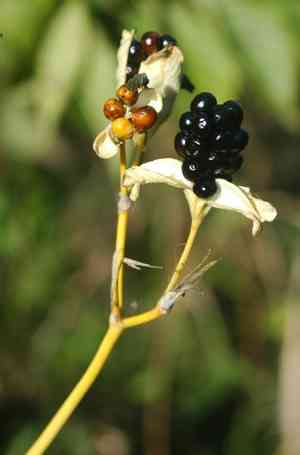
Blackberry lily offers a captivating addition to any garden with its distinct, striking blossoms and graceful foliage. Its growth pattern features upright stems adorned with vibrant flowers resembling blackberry fruits, hence its name. These blooms inject vitality and texture into garden beds, borders, and even containers. Furthermore, the plant's leaves remain appealing throughout the growing period, providing consistent visual charm from spring through autumn. Typically reaching a height of 2-3 feet, Blackberry lily integrates seamlessly into various garden designs, either as a focal point or as part of a mixed planting.
Why Select Blackberry Lily for Landscaping?
Opting for Blackberry lily in your landscaping introduces a versatile and easy-to-care-for plant that thrives in diverse conditions. Its perennial nature means that once established, Blackberry lily will return annually with minimal effort. The plant's drought tolerance and pest resistance make it an ideal choice for gardeners seeking a dependable, trouble-free option. Additionally, Blackberry lily can attract beneficial pollinators like bees and butterflies, enhancing your garden's biodiversity. Whether you aim to create a serene, naturalistic setting or a bold, colorful display, Blackberry lily stands out as a perfect selection.
Optimal Garden Locations for Blackberry Lily
To ensure Blackberry lily flourishes, selecting the appropriate garden spot is crucial. This plant prefers areas receiving full sun to partial shade. Well-drained soil is vital for optimal growth, as standing water can lead to root rot and other problems. Ideal placements include sunny borders, along pathways, or within rock gardens where soil drains quickly. Blackberry lily can also be effectively used in container gardening, allowing strategic placement around patios or decks for close appreciation of its beauty. Grouping several Blackberry lily plants together can create a striking visual impact and a more robust display.
Design Concepts Utilizing Blackberry Lily
Creating Color Contrasts with Blackberry Lily
One of the most impressive ways to incorporate Blackberry lily into your garden is by generating vivid color contrasts. The plant's bright, orange flowers can illuminate any area and provide a striking contrast against green or darker-leaved plants. Consider pairing Blackberry lily with plants featuring purple or blue flowers to craft a visually captivating arrangement. The complementary hues work together to draw the eye and add depth to your landscape. Integrating Blackberry lily into mixed borders or beds can break up monotonous greenery and offer intriguing focal points throughout the growing season.
Companion Plants for Blackberry Lily
To achieve a harmonious garden design, it's essential to pair Blackberry lily with complementary plants. Plants with similar care requirements, such as daylilies, coneflowers, or ornamental grasses, make excellent companions. These plants share Blackberry lily's preference for well-drained soil and sun exposure, ensuring a cohesive and flourishing garden. Furthermore, selecting plants with varying bloom times can guarantee continuous color and interest throughout the year. For instance, early spring bloomers like tulips can precede Blackberry lily, while late-season perennials can follow, maintaining a dynamic and ever-changing garden landscape.
Seasonal Landscape Themes with Blackberry Lily
Developing a seasonal landscape theme with Blackberry lily can enhance your garden's beauty year-round. In spring, surround Blackberry lily with early blooming bulbs to introduce a burst of color as the season transitions. In summer, intersperse Blackberry lily among sun-loving perennials for a lush, vibrant display. As autumn approaches, the plant's foliage can complement other fall hues found in asters and goldenrods. By carefully planning your garden layout, you can ensure Blackberry lily and its companion plants provide interest and beauty from the first thaw of spring until the initial frost of autumn.
Maintaining Blackberry Lily in Your Landscape
Seasonal Care Advice for Blackberry Lily
Consistent care throughout the seasons ensures Blackberry lily remains healthy and attractive. In spring, begin by removing any dead material from around the plant to encourage new growth. Water regularly, especially during dry periods, to keep the soil moist but not waterlogged. Mulching can help retain soil moisture and suppress weeds. In summer, continue with regular watering and occasionally fertilize to support vigorous blooming. As fall arrives, trim back any faded flowers and leaves to prepare the plant for winter. Cover with a light layer of mulch to protect the roots from cold temperatures.
Addressing Common Issues in Blackberry Lily
Although Blackberry lily is generally low-maintenance and resilient, it can occasionally encounter problems such as pests or diseases. Aphids and spider mites are common pests that can be managed with insecticidal soap or neem oil. Fungal diseases can sometimes occur, particularly in humid conditions. Ensuring proper spacing and airflow between plants can reduce these risks. If fungal problems arise, use an appropriate fungicide and promptly remove affected foliage. Regularly inspecting your plants and addressing issues quickly will help maintain the health and longevity of Blackberry lily in your garden.



