Enhancing Your Garden Design with the Moonflower Plant: A Landscaping Guide
1
For optimal growth, cultivate Moonflower in soil that drains effectively and receives ample sunlight.
2
Moonflower flourishes when established in springtime, producing lovely blooms from summer into autumn.
3
Consistent trimming and adequate distance between plants are crucial for preserving Moonflower's vitality and aesthetic appeal.
Introducing Moonflower in Garden Design
Discovering the charm and unique characteristics of Moonflower
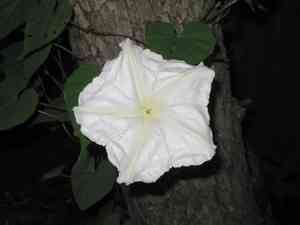
Moonflower's appeal stems from its captivating beauty and distinct traits. This lovely plant, with its large, fragrant, and luminous blooms, unfurls as dusk settles, presenting a mesmerizing display in the evening garden. The flowers typically open in the late afternoon and stay open until dawn, making them ideal for those who wish to relax in their garden after a long day. Furthermore, their robust climbing nature makes them an excellent addition to trellises, fences, and arbors, providing a scenic backdrop for any landscape.
Understanding Moonflower's growth patterns for landscape planning
Moonflower is a rapidly growing vine known for its ability to quickly cover large areas. This growth habit not only contributes to its lush, green appearance but also makes it a fantastic choice for creating privacy screens or concealing unattractive structures in your garden. When considering Moonflower's growth habits, it's crucial to plan for ample space and sturdy support, as the plant can reach heights of 10-15 feet in a single growing season. Being aware of this can help you effectively utilize Moonflower in your landscape design.
Integrating Moonflower into Garden Concepts
Crafting a Moonlit Garden: Moonflower's contribution
A moonlit garden, designed for evening enjoyment, can be significantly enhanced by including Moonflower. This plant's luminous white flowers reflect moonlight, creating a tranquil, magical ambiance. Strategically placing Moonflower around seating areas, pathways, and water features can highlight these spots with a gentle glow, making nighttime garden strolls a delightful experience. By combining Moonflower with other night-blooming or fragrant plants, you can further elevate the sensory experience, crafting an oasis that captivates all your senses.
Pairing Moonflower with complementary plants for themed gardens
In themed gardening, selecting companion plants is crucial for a unified look. Moonflower pairs exceptionally well with other climbers like clematis and morning glories, which can add layers of visual interest and diversity to your garden. Additionally, plants with contrasting foliage or similar blooming schedules can perfectly complement Moonflower's aesthetics. For instance, pairing Moonflower with variegated ivy or deep purple nightshades can create dramatic visuals, ensuring that your garden remains vibrant and engaging throughout the day and night.
Seasonal Considerations and Planting Advice for Moonflower
Optimal seasons for planting Moonflower for best development
To ensure Moonflower's best growth and bloom, it's ideal to plant it in the spring after the last frost has passed. Planting during this season allows Moonflower to establish itself as temperatures begin to rise, giving it a head start to flourish through the warmer months. By the time summer arrives, Moonflower will be well-positioned to display its beautiful blossoms. Monitoring the timing and ensuring no risk of frost can help maximize the plant's potential and ensure a robust and flourishing growth cycle.
Soil, light, and spacing needs for Moonflower to thrive
Moonflower thrives best in well-drained soil enriched with organic matter. Full sun exposure is crucial for its growth, as this ensures abundant flowering and vigorous development. When planting Moonflower, provide ample space for it to spread and climb, ideally spacing them about 12 inches apart to prevent overcrowding. Supporting structures like trellises or arbors are essential as Moonflower grows, ensuring they have a solid foundation to climb and display their full splendor. Regular watering and avoiding waterlogged soil are key to keeping Moonflower healthy.
Maintaining Moonflower's Beauty in Your Landscape
Routine care tips for Moonflower's health and appearance
Maintaining Moonflower's beauty involves regular pruning, watering, and pest monitoring. Pruning helps manage its growth and encourages blooming by removing spent flowers and excess foliage. Consistent watering, particularly during dry spells, is vital for its health, though it's important to avoid waterlogged conditions. Fertilizing Moonflower with a balanced liquid fertilizer every 4-6 weeks during the growing season can also promote vigorous growth and prolong blooming periods, ensuring your garden remains vibrant and appealing.
Addressing common issues encountered when cultivating Moonflower
Common challenges when growing Moonflower include pest infestations, such as aphids and spider mites, and fungal diseases like powdery mildew. To combat these, regular inspection and prompt treatment using organic pesticides or insecticidal soaps are recommended. Ensuring proper air circulation around the plant can help prevent fungal growth. Additionally, maintaining healthy soil through mulching and avoiding excessive watering can mitigate many common issues, allowing Moonflower to flourish beautifully in your landscape.
Moonflower's Visual Impact: Before and After
Evaluating the transformation of areas with mature Moonflower
The transformation that Moonflower brings to a landscape can be dramatic. Mature Moonflower vines create lush greenery and a profusion of stunning flowers, turning an ordinary space into a vibrant visual treat. Before planting, an area may appear bare or unremarkable. However, with time, as Moonflower grows and flourishes, the same space evolves into a lush, fragrant haven, significantly enhancing its appeal and making it a focal point of your garden.
Real-world examples and successful projects featuring Moonflower
Numerous gardeners have successfully transformed their landscapes with Moonflower. For example, one homeowner replaced an old, dilapidated fence with a trellis adorned with climbing Moonflower, which not only improved the aesthetics but also added privacy to their garden. Another successful project involved creating a moonlit garden with Moonflower planted around a seating area, providing a serene and beautiful night-time retreat. These success stories highlight the versatility and impact of this plant, inspiring others to incorporate Moonflower into their own garden designs.



