Enhancing Your Garden Design with the Purple Anise Plant: A Landscaping Guide
1
Purple Anise flourishes in full sun to partial shade conditions.
2
Pairing plants with Purple Anise improves its visual charm.
3
Appropriate seasonal maintenance is crucial for Purple Anise's well-being.
Introducing Purple Anise for Landscaping
Why select Purple Anise for your outdoor space?
Opting for Purple Anise in your garden offers numerous advantages. A primary reason is its distinctive and impressive appearance, which instantly imparts sophistication and allure to any setting. Furthermore, Purple Anise is renowned for its hardiness and adaptability to diverse growing conditions, making it an excellent choice for both new and seasoned gardeners. Its evergreen nature ensures continuous appeal throughout the year, providing a consistent green backdrop that perfectly complements seasonal blooms and color shifts.
The visual appeal of Purple Anise
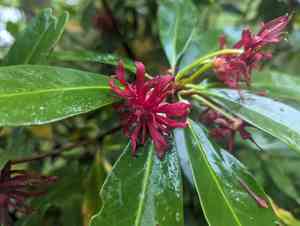
Purple Anise boasts significant aesthetic charm, thanks to its unique foliage and vibrant blossoms. The plant's dark, glossy leaves create a lush, tropical ambiance, while its star-shaped flowers, varying in shade, add a burst of color. This combination can serve as a garden centerpiece, drawing attention and creating depth and texture. Whether used alone or integrated into a larger planting scheme, Purple Anise can enhance the visual interest of your outdoor area.
Optimal Placement for Purple Anise's Impact
Best spots for Purple Anise in your garden
To maximize Purple Anise's potential, strategic placement is vital. Ideal locations include areas where its striking features can be showcased, such as along garden edges, within mixed shrubbery, or even as a focal plant in a container. Positioning Purple Anise near patios or garden paths also ensures its beauty can be admired up close. Additionally, consider planting Purple Anise where you desire screening or privacy, as its dense foliage can form an effective natural barrier.
Considering light exposure and shade
Purple Anise is quite adaptable regarding its light needs, flourishing in both sunny and partially shaded environments. However, for peak growth and best flowering, striking a balance is important. Full sun can encourage robust growth and a more compact form, while partial shade can shield the plant from extreme heat and prevent leaf burn. Evaluate your garden's sunlight patterns to choose a spot where Purple Anise will receive appropriate light throughout the day.
Plants to Pair with Purple Anise
Ideal companion plants for Purple Anise
Pairing Purple Anise with suitable companion plants enhances both its beauty and vitality. Consider companions that share similar growing conditions, such as ferns, hostas, or azaleas. These plants complement Purple Anise's dark foliage and star-shaped flowers while filling garden spaces with varied textures and colors. Additionally, ground covers like creeping Jenny or sweet woodruff can form a lush carpet beneath Purple Anise, adding another layer of interest and helping to retain soil moisture.
How companion planting improves garden aesthetics
Companion planting with Purple Anise offers numerous aesthetic advantages. By pairing it with plants that have contrasting foliage colors and textures, you create visual intrigue and depth in your garden. For instance, the broad, glossy leaves of Purple Anise juxtaposed with the delicate fronds of ferns establish a pleasing contrast. Moreover, using flowering companions that bloom at different times ensures a continuous display of color throughout the seasons, keeping your garden looking vibrant and dynamic year-round.
Seasonal Care Advice for Purple Anise
Spring and summer plant care
Spring and summer are critical periods for Purple Anise care. During these seasons, focus on consistent watering to keep the soil uniformly moist but not waterlogged. Applying a layer of mulch around the plant's base helps retain moisture and regulate soil temperature. Additionally, spring is an excellent time to fertilize Purple Anise with a balanced, slow-release fertilizer to encourage healthy growth and blooming. Regularly inspect the plant for pests and diseases, and prune any dead or damaged branches to maintain its shape and vigor.
Fall and winter considerations
As seasons transition to fall and winter, it's time to prepare Purple Anise for colder months. Reduce watering frequency to prevent root rot, as the plant's growth slows. Fall is an ideal time to apply a final layer of mulch to insulate roots against temperature fluctuations. While Purple Anise is generally hardy, in regions with particularly harsh winters, consider providing extra protection, such as using frost cloths or burlap wraps. Pruning in late winter before new growth starts can help shape the plant and encourage robust growth in spring.
Design Concepts Featuring Purple Anise
Integrating Purple Anise into contemporary garden designs
In modern garden designs, Purple Anise can serve as a striking focal point or a sophisticated background plant. Its clean lines and bold foliage are perfect for creating structured and minimalist landscapes. Consider using Purple Anise in symmetrical plantings or geometric patterns to complement contemporary architectural elements. It also works well in monochromatic color schemes, where its deep green leaves can stand out against a backdrop of white flowers or gravel.
Classic applications of Purple Anise in landscape designs
Purple Anise also fits beautifully into traditional landscape designs. Its classic, evergreen appearance blends seamlessly with cottage gardens, woodland settings, and English garden styles. Use Purple Anise as part of a mixed border alongside perennials and annuals to add structure and year-round interest. In more formal gardens, Purple Anise can be pruned into hedges or shaped as topiaries, creating a timeless and elegant look that complements classic design elements such as stone pathways and water features.
Ensuring Purple Anise's Health and Beauty
Routine maintenance suggestions
Regular maintenance is crucial for keeping Purple Anise in prime condition. This includes consistent watering, especially during dry periods, and applying mulch to conserve moisture. Fertilizing once or twice annually with a balanced fertilizer supports healthy growth. Regular pruning helps maintain the desired shape and removes any dead or diseased wood. Additionally, periodic inspection for pests and diseases ensures early detection and prompt treatment, keeping Purple Anise robust and thriving.
Addressing common problems in Purple Anise plants
While Purple Anise is relatively low-maintenance, it's not immune to typical garden issues. Root rot can occur in poorly drained soil, so ensuring proper drainage is vital. Yellowing leaves may signal nutrient deficiencies, which can be corrected with appropriate fertilization. Pests like aphids and scale insects may occasionally affect Purple Anise and can be managed with insecticidal soap or horticultural oil. Regularly monitoring the plant and providing timely care can effectively resolve these issues and keep Purple Anise healthy and vibrant.



