Enhancing Your Garden Design with the Lusterleaf holly Plant: A Landscaping Guide
1
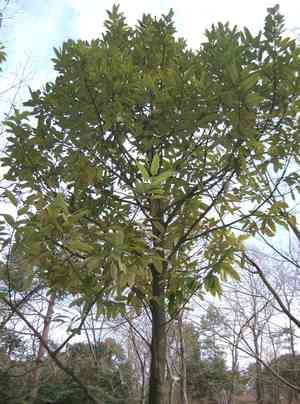
Lusterleaf holly provides continuous aesthetic value due to its persistent foliage and vibrant crimson fruits.
2
Perfect for diverse garden designs, Lusterleaf holly flourishes across a range of weather patterns and environments.
3
Indigenous fauna, such as avian species and beneficial insects, are drawn to Lusterleaf holly, enhancing regional ecological variety.
Why Incorporate Lusterleaf Holly into Your Outdoor Space?
Visual Appeal: Enhancing Aesthetic Value
Lusterleaf holly offers a striking presence in any setting with its sizable, lustrous leaves that remain vibrant green throughout the year. Its vivid red berries, appearing in colder months, introduce splashes of color, making your garden lively even in winter. This visual charm can elevate the beauty of any yard, transforming an ordinary area into a picturesque scene.
Hardiness and Resilience: Enduring Local Climates
Lusterleaf holly demonstrates remarkable toughness, capable of withstanding diverse regional weather conditions. Whether your area experiences severe winters or scorching summers, this plant can adapt and thrive, making it an easy-care option for home gardeners. Its capacity to maintain health and appearance despite challenging circumstances makes it a dependable addition to your landscape.
Wildlife Support: Fostering Biodiversity
By integrating Lusterleaf holly into your outdoor design, you not only add beauty but also support local fauna. Birds, particularly in winter, are drawn to the bright red berries of Lusterleaf holly. Furthermore, it offers refuge and nesting spots, contributing to a flourishing ecosystem in your garden. Thus, Lusterleaf holly aids in cultivating a diverse and balanced environment.
Design Concepts Utilizing Lusterleaf Holly in Various Landscape Styles
Formal Gardens: Balance and Structure
Lusterleaf holly excels in formal garden layouts due to its robust structure and symmetrical growth habit. Position it along pathways or borders to achieve a refined and orderly look. Its evergreen foliage ensures the structure persists year-round, providing a continuous element of sophistication and formality.
Cottage Gardens: Achieving a Naturalistic Appearance
If you desire a more relaxed and organic aesthetic, Lusterleaf holly integrates seamlessly into a cottage garden environment. Combine it with other flowering shrubs and herbaceous perennials to create layers of texture and color. Its informal yet striking presence complements the charming, rustic appeal characteristic of cottage gardens.
Contemporary Spaces: Modern and Minimalist Approaches
For a modern, minimalist landscape, Lusterleaf holly provides crisp lines and a bold, understated look. Utilize it as a solitary focal point or within geometric planting arrangements. Its distinct shape and consistent foliage texture can serve as central features or background elements, reinforcing the sharp and uncluttered essence of contemporary garden design.
Companion Plants: Partners for Lusterleaf Holly
Understory Companions: Ideal Pairings for Lusterleaf Holly
Selecting appropriate understory companions for Lusterleaf holly can enhance its beauty and the overall landscape design. Shade-loving plants like ferns and hostas make excellent partners, flourishing beneath Lusterleaf hollyâs canopy. These companions complement its structure and add a lush, layered effect to your garden.
Color Contrasts: Plants That Complement Lusterleaf Holly's Foliage and Berries
To create striking visual contrasts, pair Lusterleaf holly with plants featuring diverse colors and textures. For instance, the deep purples of heucheras or the bright yellows of winter jasmine can form stunning combinations. These color contrasts not only highlight Lusterleaf holly's rich green leaves and red berries but also add depth and interest to your landscape.
Seasonal Considerations: Year-Round Appeal
When planning your landscape, consider plants that offer continuous beauty to complement Lusterleaf holly. Spring bulbs such as tulips and daffodils bloom early and do not compete with Lusterleaf hollyâs late-season berries. Summer-flowering plants like hydrangeas provide mid-year interest, while autumnal foliage from deciduous trees can enhance the landscapeâs seasonal charm. This approach ensures your garden remains captivating throughout the year.
Care Guidelines for Lusterleaf Holly in Landscapes
Pruning and Shaping: Maintaining Lusterleaf Holly's Best Appearance
Regular trimming is crucial to keep Lusterleaf holly looking tidy and to promote vigorous growth. Early spring is the optimal time to prune, allowing the plant to recover and produce new shoots before the main growing season. Focus on removing dead or damaged branches and shaping the plant to maintain its desired form. This helps in preserving its overall neatness and fostering robust health.
Soil and Fertilization: Ensuring Robust Growth
Lusterleaf holly thrives in well-drained soil rich in organic matter. Regularly amend the soil with compost to sustain its fertility. Additionally, a balanced fertilizer applied in early spring can provide Lusterleaf holly with the nutrients needed for optimal development. Maintaining proper soil conditions helps ensure the plant remains healthy and vibrant.
Pest and Disease Management: Proactive Measures
Proactive care is vital for managing pests and diseases. Regularly inspect Lusterleaf holly for signs of common pests such as aphids or spider mites, and treat them with suitable methods, like insecticidal soaps or neem oil. Also, watch for symptoms of diseases such as leaf spot or powdery mildew and address them promptly. Early detection and treatment can prevent minor issues from escalating into major problems.



