Enhancing Your Garden Design with the Chinese holly Plant: A Landscaping Guide
1
Ilex cornuta is well-suited for diverse garden designs, from structured to naturalistic, owing to its adaptable growth and appealing leaves.
2
Seasonal watering adjustments are crucial for this plant's well-being, necessitating an understanding of its specific care needs for peak development.
3
This species can notably enhance property worth and local biodiversity with relatively little upkeep.
Exploring the Distinctive Characteristics of Chinese Holly
Unique foliage form and hue
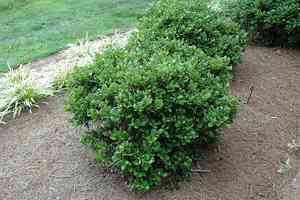
A prominent attribute of Chinese holly is its singular leaf configuration, which is readily identifiable and adds visual appeal to any outdoor setting. The leaves are lustrous, deep green, and feature a spiky, sculpted appearance that is both practical and decorative. These leaves are not merely ornamental; they are robust and resilient, capable of enduring diverse weather conditions, making them an excellent option for homeowners seeking both beauty and durability in their landscaping.
Growth and height potential
Chinese holly is recognized for its vigorous growth and considerable height capacity, making it a versatile selection for numerous landscaping requirements. Typically, this plant can attain a height of 6-8 feet, though with proper care, it may grow even taller. It exhibits a dense growth habit, allowing it to be effectively utilized as a hedge or a solitary specimen plant. This predictable development makes Chinese holly a dependable choice for establishing structured garden designs.
Berry production and seasonal transformations
Adding to the allure of Chinese holly are the vibrant red berries it produces, especially noticeable during the autumn and winter months. These berries not only introduce a burst of color to the landscape but also serve as a food source for local avian species. Furthermore, the seasonal shifts in Chinese holly offer year-round interest. The vivid red berries beautifully contrast with the evergreen foliage, presenting a picturesque scene that subtly evolves with each season.
Integrating Chinese Holly into Various Landscape Designs
Formal garden environments
Chinese holly is an excellent addition to formal garden settings, owing to its symmetrical form and its capacity to be pruned into precise shapes. Whether you aim for a classic topiary, a manicured hedge, or a clearly defined garden border, Chinese holly can be readily maintained to meet these standards. Its evergreen foliage ensures that the formal structure of your garden remains intact throughout the year, providing a constant foundation for seasonal plantings and floral displays.
Establishing natural privacy screens
Another superb application for Chinese holly in your landscaping is to create natural privacy barriers. Its dense and vigorous growth can form thick, impenetrable screens that offer seclusion without the need for artificial fences or walls. Strategically planting Chinese holly around your property can effectively shield your outdoor areas from curious glances, providing you with a sense of solitude and tranquility. Moreover, its evergreen nature guarantees year-round coverage and privacy.
Highlighting pathways and entryways
Chinese holly can be utilized to emphasize pathways and entrances, fostering a welcoming ambiance for visitors. Whether lining a driveway, bordering a walkway, or framing an entrance, the structured yet natural appearance of Chinese holly significantly enhances curb appeal. Its compact growth habit allows for its use in diverse settings, making it a versatile option for both grand entrances and charming garden paths. The presence of bright red berries can also enrich these areas, making them more visually striking.
Seasonal Care Guidelines for Chinese Holly
Watering needs across seasons
Warmer periods necessitate consistent irrigation for Chinese holly, ensuring the soil stays moist but not saturated, while in cooler seasons, watering should be reduced as the plant's growth decelerates. It is vital to avoid overwatering and ensure adequate drainage to prevent root rot. Mulching around the base can help retain moisture and regulate soil temperature, providing Chinese holly with optimal conditions for development.
Pruning and trimming best practices
Pruning Chinese holly not only preserves its form but also encourages healthy growth. The ideal time to prune is in late winter or early spring before new growth commences. Regular trimming can help manage its size and promote fuller, denser foliage. Promptly remove any dead or diseased branches and shape the plant according to your landscaping requirements, whether for a hedge, a topiary, or a specimen plant.
Safeguarding Chinese holly from pests and diseases
Chinese holly is generally resilient, but vigilance against pests and diseases is crucial. Common pests include scale insects and holly leaf miners, which can be managed through early detection and treatment with appropriate insecticides or natural predators. Additionally, good air circulation and avoiding overhead watering can prevent fungal diseases. Regular inspection and swift action at the first sign of trouble will keep Chinese holly healthy and thriving.
The Enduring Advantages of Selecting Chinese Holly for Your Landscape
Boosting property worth
Investing in Chinese holly for your landscape can significantly enhance your property's curb appeal and, consequently, its market value. Its evergreen characteristic ensures year-round attractiveness, making your home appear well-maintained and inviting. Prospective buyers often appreciate mature, well-cared-for plants that improve the property's overall aesthetic, making Chinese holly a wise long-term investment.
Contributing to the local ecosystem
Chinese holly plays a significant role in supporting the local ecosystem. Its berries provide a food source for birds and other wildlife, while its dense foliage offers shelter. By incorporating Chinese holly into your landscaping, you are contributing to biodiversity and helping maintain an ecological balance. This not only benefits wildlife but also enriches your garden, creating a vibrant and dynamic outdoor space.
Minimal upkeep over time
One of the prominent benefits of Chinese holly is its low maintenance requirements. Once established, it demands minimal care compared to more delicate plants. It tolerates various soil types, is drought-resistant, and remains relatively pest-free with proper attention. This ease of maintenance makes Chinese holly an ideal choice for homeowners seeking a beautiful yet effortless addition to their landscape.



