Enhancing Your Garden Design with the Peach-leaf holly Plant: A Landscaping Guide
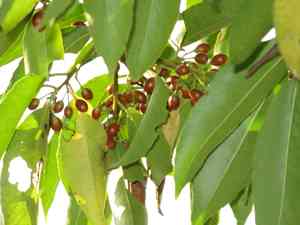
1
Peach-leaf holly adapts well to diverse soil conditions, making it suitable for various garden settings.
2
Adequate spacing and light exposure are essential for robust Peach-leaf holly development.
3
Peach-leaf holly enhances garden beauty and supports ecological diversity.
Introducing Peach-leaf Holly in Garden Design
Understanding the adaptability and beauty of Peach-leaf holly
Peach-leaf holly is an exceptional plant that can impart structure and sophistication to any outdoor space. Its abundant foliage and attractive shape make it a superb option for both classic and modern landscape schemes. The plant's capacity to serve as a natural backdrop enhances other garden elements, fostering a harmonious and balanced appearance. Whether utilized in a vast area or a confined garden, Peach-leaf holly offers the flexibility to adapt and flourish, making it an invaluable asset to your landscape.
Why opt for Peach-leaf holly in your garden?
Choosing Peach-leaf holly for your garden offers numerous advantages. Firstly, its robust character makes it resistant to many common pests and diseases, reducing the need for frequent chemical treatments. Furthermore, Peach-leaf holly requires relatively little upkeep, needing only basic attention to thrive. It also boasts an impressive lifespan, allowing gardeners to enjoy its charm for many years. Lastly, its evergreen qualities provide year-round color and vibrancy, ensuring your garden remains lively through all seasons.
Optimal Conditions for Cultivating Peach-leaf Holly
Best climate and soil types for Peach-leaf holly
Peach-leaf holly flourishes best in well-drained soils, though it can adjust to various soil conditions, from sandy to clayey loams. The plant prefers slightly acidic to neutral pH levels, which aid in the effective absorption of essential nutrients. Regarding climate, Peach-leaf holly performs optimally in temperate zones where it receives sufficient natural hydration from rainfall and moderate temperature shifts. However, its hardiness means it can also endure occasional droughts and temperature extremes, making it a suitable choice for diverse gardening environments.
Sunlight exposure and spacing requirements
To ensure Peach-leaf holly grows vigorously, it's important to plant it in an area that receives ample sunlight. Full sun to partial shade is ideal, with at least 4-6 hours of daily sunlight. Proper spacing is also critical; planting Peach-leaf holly too close together can lead to overcrowding, which can impede air circulation and encourage fungal diseases. A recommended spacing of at least 3-5 feet between each plant will allow sufficient room for their root systems to expand and mature, promoting better overall growth and health.
Design Concepts Utilizing Peach-leaf Holly
Creating focal points with Peach-leaf holly
Peach-leaf holly can serve as a striking focal point in your garden design. Its structured form and vibrant foliage can attract attention and create visual interest in specific areas of your landscape. Consider placing it in prominent spots such as near entryways, patios, or as a centerpiece in larger garden beds. By strategically positioning Peach-leaf holly, you can direct the viewer's gaze and enhance the overall aesthetic appeal of your garden.
Borders and edges: Enhancing walkways and garden paths
Using Peach-leaf holly to define borders and edges is an effective way to add structure and clarity to your garden layout. Its dense growth habit makes it ideal for creating neat, well-defined boundaries along walkways, driveways, and garden paths. Not only does this enhance the visual appeal of these areas, but it also provides a natural barrier that can help to direct foot traffic and protect more delicate plantings from accidental damage.
Combining Peach-leaf holly with other plants for a cohesive landscape
Peach-leaf holly pairs beautifully with a variety of other plants, allowing you to create a cohesive and multifaceted landscape. Its evergreen nature complements both flowering plants and deciduous shrubs, providing a rich backdrop that highlights seasonal color changes and blooms. For a layered effect, consider planting shorter perennials and ground covers in front of Peach-leaf holly, while taller trees and shrubs can be placed behind or alongside. This technique adds depth and dimension to your garden, making it more dynamic and visually engaging.
Care Guidelines for Peach-leaf Holly
Seasonal maintenance for Peach-leaf holly
Maintaining Peach-leaf holly requires regular seasonal care to keep it healthy and vibrant. In the spring, apply a balanced fertilizer to encourage new growth and strengthen the plant. During the summer, ensure that Peach-leaf holly receives adequate water, particularly during dry spells, but avoid overwatering, which can lead to root rot. In autumn, prune Peach-leaf holly to remove any dead or damaged branches, which helps to maintain its shape and prevent disease. Lastly, applying a layer of mulch around the base in winter can help to protect the roots from extreme temperatures.
Common problems and their solutions
While Peach-leaf holly is generally robust, it can encounter a few common issues. Pests such as aphids and spider mites may occasionally infest the plant, but these can be managed with regular applications of insecticidal soap or neem oil. Fungal diseases like leaf spot and powdery mildew can be addressed by ensuring proper air circulation and avoiding overhead watering. If you notice any yellowing leaves or stunted growth, it may indicate nutrient deficiencies, which can be remedied with appropriate fertilization.
Environmental Advantages of Peach-leaf Holly in Landscapes
Contribution to biodiversity
Peach-leaf holly plays a significant role in enhancing biodiversity within your garden. Its dense foliage provides a habitat for various insects, birds, and small mammals, promoting a healthy ecosystem. The plant supports pollinators and other beneficial organisms, which in turn help to sustain the vitality of your garden.
Climate resilience and benefits
One of the remarkable qualities of Peach-leaf holly is its climate adaptability. Its ability to withstand a range of environmental conditions makes it a resilient addition to landscapes. By planting Peach-leaf holly, you are contributing to a more sustainable and robust garden that can better cope with changing climate conditions. Additionally, its evergreen nature helps to reduce soil erosion and improve air quality, making it beneficial for the surrounding environment.



