Enhancing Your Garden Design with the Evergreen candytuft Plant: A Landscaping Guide
1
Evergreen candytuft flourishes in adequately drained soil under direct sunlight.
2
Evergreen candytuft offers a simple care choice for garden borders and stone arrangements.
3
Establishing Evergreen candytuft in early spring promotes its best development and flowering.
Introducing Evergreen Candytuft in Garden Design
A quick look at Evergreen candytuft and its popularity in garden layouts.
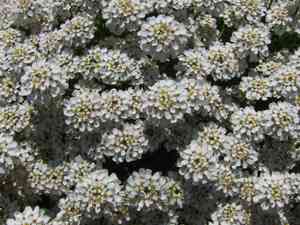
Evergreen candytuft is a beloved perennial for its charming white flower clusters and year-round foliage. It adds a touch of grace to any garden. This plant is recognized for its low-growing nature and mat-forming habit, making it an excellent option for ground cover in diverse garden settings. Popular across many nations, Evergreen candytuft has earned a reputation for its hardiness and the continuous appeal it brings to landscapes.
The visual appeal of Evergreen candytuft in various garden environments.
With its pristine white blooms appearing in spring, Evergreen candytuft creates a striking visual contrast against vibrant green leaves. This plant suits a range of landscaping styles, from classic English gardens to contemporary minimalist designs. It's often used to soften harsh edges in rockeries or to define pathways and borders. Whether placed in a container, a rock garden, or a large flower bed, Evergreen candytuft imparts a sense of refinement and charm.
Optimal Placement of Evergreen Candytuft for Visual Impact
Key locations where Evergreen candytuft can maximize its beauty.
To best showcase Evergreen candytuft's visual appeal, consider planting it along walkways, at the front of beds, or in rock gardens where its low-growing form can truly shine. Positioning Evergreen candytuft in areas receiving full sun will ensure it produces its characteristic white flowers abundantly. Its dense foliage can also be used to fill spaces between other plants, providing continuity and lushness to the landscape.
Pairing Evergreen candytuft with other plants for a unified appearance.
Evergreen candytuft combines beautifully with various companion plants. Consider placing it alongside colorful perennials or taller shrubs to achieve a layered effect. It harmonizes well with plants like lavender, rosemary, and creeping thyme, which share its preference for sun and well-drained soil. The contrast between Evergreen candytuft's white flowers and the vivid hues of neighboring plants creates a visually engaging and balanced garden composition.
Seasonal Considerations for Evergreen Candytuft
Ideal times of the year to plant Evergreen candytuft for optimal growth.
The best time to plant Evergreen candytuft is in early spring when the soil begins to warm. Planting during this period allows the plant to develop strong roots before the summer heat arrives. However, it can also be planted in the fall, giving it time to establish before winter. Ensure the planting area is free from frost to prevent damage to young plants.
How Evergreen candytuft reacts to different seasonal changes.
Evergreen candytuft is remarkably resilient to seasonal shifts, maintaining its attractive foliage throughout the year. In spring, it signals the season with an abundance of white blooms. During summer, its glossy green leaves continue to provide visual interest. It tolerates winter conditions well, provided it's not exposed to waterlogged soil, which can be harmful. This perennial's adaptability makes it a valuable asset in gardens experiencing varied weather.
Longevity and Permanence of Evergreen Candytuft in Landscape Designs
Durability of Evergreen candytuft in various climatic conditions.
Evergreen candytuft is known for its hardiness, thriving in a range of climates from temperate zones to warmer regions. It is particularly well-suited to USDA hardiness zones 3-9, which encompass a wide spectrum of environmental conditions. Its ability to endure drought once established makes it a dependable choice for gardeners seeking lasting beauty with minimal effort.
Maintenance tips to ensure the long life of Evergreen candytuft.
Regular care is crucial for ensuring Evergreen candytuft's longevity. Prune faded flowers to encourage a neat appearance and potentially stimulate a second flush of blooms. Ensure the plant is in well-drained soil to prevent root rot, and water occasionally during extended dry spells. Applying mulch around the base can help retain moisture and protect roots from temperature extremes. Minimal attention will keep Evergreen candytuft thriving for many years.
Environmental Benefits of Including Evergreen Candytuft in Your Garden
Evergreen candytuft's contribution to local biodiversity.
Evergreen candytuft supports local biodiversity by offering shelter and habitat for various insects and small creatures. Its flowers attract pollinators like bees and butterflies, contributing to the health and diversity of your garden ecosystem. Incorporating Evergreen candytuft into your garden can foster a balanced and flourishing natural environment.
How Evergreen candytuft supports local ecosystems.
Beyond aiding pollinators, Evergreen candytuft helps stabilize soil with its mat-forming growth, reducing erosion and promoting healthy soil structure. Its evergreen nature means it provides year-round habitat benefits, making it a valuable addition to gardens focused on sustainability and environmental well-being. By including Evergreen candytuft in your landscape, you help enhance the local ecosystem's resilience and function.



