Enhancing Your Garden Design with the Shrubby St. John's wort Plant: A Landscaping Guide
1
Shrubby St. John's wort offers continuous visual charm due to its unique leaves and seasonal transformations.
2
Strategic placement of Shrubby St. John's wort can greatly improve its development and aesthetic contribution to your landscape.
3
Appropriate upkeep and tending, such as trimming and pest control, are crucial for a thriving Shrubby St. John's wort.
Appreciating the Visual Charm of Shrubby St. John's wort
Distinctive foliage and its compatibility with various garden aesthetics
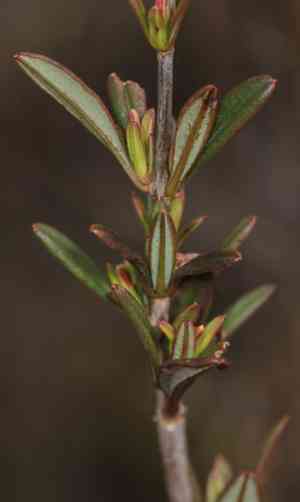
A primary draw of Shrubby St. John's wort is its unique leaves, providing a special texture and hue that can enhance diverse garden styles. The rich, green leaves of Shrubby St. John's wort offer a fresh, lively appearance during its active growth, often shifting to lovely yellow or red tones in autumn. This adaptability makes Shrubby St. John's wort a flexible option for traditional, modern, and even rustic garden layouts. Whether aiming for a tranquil Zen garden or a vibrant cottage style, Shrubby St. John's wort can be a superb addition to your landscape's visual appeal.
Seasonal transformations of Shrubby St. John's wort: Hues and textures throughout the year
Shrubby St. John's wort is a plant that delivers dynamic visual interest all year. In spring, it begins with fresh, bright green leaves that gradually deepen in color as the season advances. By summer, the foliage is dense and lush, offering a cool, shaded look. As fall arrives, the leaves frequently change to striking shades of yellow or orange, adding a burst of color to your garden when most other plants are fading. Furthermore, Shrubby St. John's wort possesses an appealing texture that stands out in winter, even after leaf drop, thanks to its robust branches and intriguing bark patterns.
Flowering characteristics: When and how Shrubby St. John's wort blossoms
Shrubby St. John's wort is renowned for its charming blooms that typically emerge in late summer. The bright yellow flowers are small but plentiful, creating a vibrant display that draws pollinators like bees and butterflies. These blossoms can persist for several weeks, providing a focal point in your garden when other plants might be less showy. Understanding the flowering habits of Shrubby St. John's wort aids in planning your garden design to ensure a continuous exhibition of colors and textures throughout the year.
Optimal Strategies for Incorporating Shrubby St. John's wort into Your Landscape
Placing Shrubby St. John's wort for peak growth and visual impact
To achieve the best outcomes with Shrubby St. John's wort, it's essential to position it thoughtfully within your garden. Shrubby St. John's wort flourishes in spots receiving ample sunlight, though it can endure partial shade. When planting, consider situating Shrubby St. John's wort where its distinctive foliage and seasonal blooms can be easily admired, such as near walkways or as a central feature in a flower bed. Ensuring good air circulation around the plant will also foster healthy development and prevent diseases. By carefully selecting the right location, you can maximize Shrubby St. John's wort's aesthetic contribution to your landscape.
Companion planting: Which plants complement Shrubby St. John's wort effectively?
Effective companion planting can boost your garden's visual appeal and vitality. Shrubby St. John's wort pairs well with various plants, including groundcovers, grasses, and other shrubs that possess complementary colors and textures. For instance, plants with purple or blue flowers, such as lavender or catmint, can create a striking contrast against the yellow blooms of Shrubby St. John's wort. Additionally, integrating plants with differing heights and growth habits, like ornamental grasses and perennials, will help in crafting a balanced and harmonious landscape.
Maintaining equilibrium and scale with Shrubby St. John's wort in mixed plantings
Preserving balance and proportion in mixed plantings is crucial for a visually pleasing garden. When integrating Shrubby St. John's wort with other plants, consider its mature size to prevent overcrowding. Shrubby St. John's wort typically exhibits a bushy growth habit, so allow sufficient space for it to spread without overshadowing adjacent plants. Also, contemplate the overall composition in terms of color, texture, and height. Grouping plants with similar requirements for sunlight and watering will simplify maintenance and ensure that each plant thrives alongside Shrubby St. John's wort.
Long-term Care and Upkeep of Shrubby St. John's wort
Pruning methods specific to Shrubby St. John's wort to enhance its form and vigor
Consistent pruning is vital for keeping Shrubby St. John's wort healthy and attractive. The optimal time to prune Shrubby St. John's wort is in late winter or early spring, before new growth emerges. Begin by removing any dead or damaged branches to improve air circulation and lessen disease risk. Next, shape the plant by trimming back overgrown branches, but avoid excessive cutting at once to prevent stress. Pruning helps maintain Shrubby St. John's wort's natural shape and encourages more robust blooming in the subsequent season.
Soil and sunlight: Ensuring the ideal conditions for Shrubby St. John's wort
Providing the correct soil and sunlight conditions is essential for Shrubby St. John's wort's well-being. This plant prefers well-drained soil with a slightly acidic to neutral pH. If your garden soil is heavy clay or very sandy, consider enriching it with organic matter to improve its structure and fertility. Regarding sunlight, Shrubby St. John's wort performs best in full sun but can tolerate partial shade. Ensuring at least six hours of direct sunlight daily will promote better flowering and overall health.
Common pests and problems associated with Shrubby St. John's wort in garden settings
While Shrubby St. John's wort is generally a resilient plant, it can occasionally encounter issues with pests and diseases. Common pests include aphids and spider mites, which can be managed through regular inspection and insecticidal soap treatments if necessary. Additionally, Shrubby St. John's wort may be vulnerable to fungal diseases, particularly in humid environments. To prevent these problems, water the plant's base rather than its foliage and ensure good air circulation by spacing plants appropriately and pruning as needed.
Innovative Landscaping Concepts Featuring Shrubby St. John's wort
Creating focal points in your garden using Shrubby St. John's wort
Utilizing Shrubby St. John's wort to establish focal points in your garden can draw attention and add structure to your landscape design. Consider planting Shrubby St. John's wort in prominent locations, such as the center of garden beds or at the end of a pathway, where its bright blooms and appealing foliage can be highlighted. You can also employ Shrubby St. John's wort as an anchor in mixed borders or as a solitary specimen in a minimalist garden design.
Designing borders and edges with Shrubby St. John's wort
Borders and edgings are fundamental elements of garden design, and Shrubby St. John's wort can be an excellent choice for these applications. Its compact growth habit and vibrant colors make it perfect for lining pathways, defining garden boundaries, or forming low hedges. When paired with complementary plants, Shrubby St. John's wort can create a cohesive and visually pleasing demarcation that enhances the overall design of your landscape.
Employing Shrubby St. John's wort in novel and unexpected ways
For those seeking to add a creative flair to their garden, Shrubby St. John's wort offers numerous possibilities. Consider using Shrubby St. John's wort in containers for a bold statement on patios or balconies. You can also integrate Shrubby St. John's wort into a rock garden, where its vibrant flowers and foliage can beautifully contrast with stones and succulents. Another unique idea is to use Shrubby St. John's wort in a wildlife garden, attracting pollinators and boosting biodiversity in your landscape.



