Enhancing Your Garden Design with the Common St. John's wort Plant: A Landscaping Guide
1
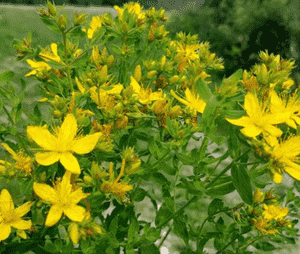
Hypericum perforatum presents a captivating blend of vivid hues and distinct tactile qualities, establishing it as a prominent garden selection.
2
Integrating Hypericum perforatum into diverse landscape designs can enhance both structured and relaxed garden environments.
3
Hypericum perforatum is not merely aesthetically pleasing but also supports ecological balance and draws in local fauna.
Highlighting the Visual Charm of St. John's Wort
Discovering the Distinctive Color and Feel of St. John's Wort
A plant with remarkable visual appeal, St. John's Wort captivates gardeners with its vivid yellow blooms and rich green leaves. The bright, sunny blossoms contrast beautifully against the verdant background, creating a striking visual in any garden. Its texture is equally notable; the petals are soft and delicate, while the leaves have a perforated look that adds an intriguing element to the plant's design. These characteristics not only boost your garden's aesthetic value but also provide a lively and dynamic aspect that is constantly engaging to the observer.
Seasonal Transformations and Their Visual Impact
One of the charming aspects of St. John's Wort is its ability to change with the seasons, offering fresh visual interest throughout the year. In spring and summer, the plant is adorned with bright yellow flowers that attract pollinators, lending a burst of color and life to your garden. As autumn approaches, the foliage may take on a subtle reddish hue, adding a new layer of depth and warmth to your landscape. Even in winter, the woody stems and persistent leaves of St. John's Wort can provide structure and visual interest, making it a versatile and year-round asset for any garden.
Integrating St. John's Wort into Various Landscape Designs
Optimal Use of St. John's Wort in Formal Garden Settings
In formal garden settings, the structured and organized nature of St. John's Wort can be used to create elegant and refined spaces. Consider using St. John's Wort as a border plant along pathways or garden beds to define spaces with its neat, low-growing habit. Its consistent growth pattern and bright flowers enhance the formal symmetry often desired in such gardens. Pairing it with other stately plants like boxwoods or evergreen hedges can amplify the formal feel, while its perennial nature ensures that the garden maintains its appeal throughout the seasons.
Informal and Cottage Garden Designs Featuring St. John's Wort
For gardeners dreaming of a casual, cottage-style landscape, St. John's Wort is an excellent choice. Its informal and somewhat wild growth habit blends seamlessly into the relaxed ambiance of these gardens. Plant St. John's Wort in clusters among other cottage garden favorites like roses, foxgloves, and lavender for a lush, idyllic look. The vibrant yellow flowers add a cheerful pop of color amidst the casual chaos of a cottage garden, creating a lived-in, inviting feel. The ease of maintenance and natural resilience of St. John's Wort further enhance its value in these more laid-back garden designs.
Incorporating St. John's Wort into Contemporary Landscapes
Modern landscapes, known for their clean lines and minimalist aesthetic, can also benefit from the inclusion of St. John's Wort. Its simple yet striking flowers and foliage provide a perfect complementary element to sleek, contemporary garden designs. Use St. John's Wort as an accent plant in minimalist beds or alongside modern architectural features like concrete walls or metallic sculptures. The brightness of its blooms can soften the austere appearance of modern landscapes, creating a balanced and harmonious outdoor space. Planting St. John's Wort in geometric patterns can further emphasize the modern design principles.
Advantages of St. John's Wort Beyond Aesthetics
Environmental Contribution and Sustainability
Beyond its aesthetic contributions, St. John's Wort offers significant environmental benefits that make it a valuable addition to any garden. This plant is known for its resilience and low-maintenance nature, requiring minimal water and care once established. This drought-tolerance makes it an eco-friendly choice, promoting water conservation in your garden. Furthermore, St. John's Wort can help prevent soil erosion, making it a practical choice for slopes or areas prone to runoff. Planting St. John's Wort supports sustainable gardening practices, reducing the need for chemical inputs and contributing positively to the garden ecosystem.
Attracting Wildlife with St. John's Wort
If you're looking to create a biodiverse garden, St. John's Wort is an excellent plant to consider. Its bright flowers attract bees, butterflies, and other pollinators, supporting the local wildlife and promoting a healthy garden ecosystem. Additionally, the dense foliage offers shelter and nesting sites for smaller creatures. By incorporating St. John's Wort into your garden, you're not only enhancing its visual appeal but also creating a welcoming habitat for beneficial insects and animals. This not only contributes to the overall health of your garden but also makes your outdoor space a more vibrant and lively place.
Care Guidelines for Thriving St. John's Wort
Seasonal Care for Optimal Growth
To keep St. John's Wort flourishing, it's important to follow a consistent maintenance routine tailored to its needs. In early spring, prune back dead or damaged stems to encourage new growth and maintain a tidy appearance. During the growing season, ensure the plant receives adequate water, especially during prolonged dry spells. Mulching around the base can help retain moisture and suppress weeds. As summer progresses, deadhead spent flowers to prolong blooming and keep the plant looking vibrant. In the fall, another round of pruning can help prepare St. John's Wort for winter and promote healthy growth in the following season.
Common Problems and Simple Solutions
Despite its hardiness, St. John's Wort can sometimes encounter issues that require attention. One common problem is root rot, which can occur if the plant is overwatered or planted in poorly draining soil. To prevent this, ensure proper drainage and avoid excessive watering. Pests like aphids or leaf spots may occasionally affect St. John's Wort, but these can usually be managed with regular monitoring and appropriate treatments, such as insecticidal soap or neem oil. Keeping the garden clean and removing debris can also reduce the likelihood of pest infestations and diseases, ensuring St. John's Wort remains healthy and vibrant.



