Enhancing Your Garden Design with the Creeping St. John's wort Plant: A Landscaping Guide
1
Creeping St. John's wort offers continuous visual charm through its lively leaves and blossoms.
2
This species requires minimal upkeep, perfect for those with limited time for gardening.
3
Creeping St. John's wort thrives in diverse soil compositions and environmental settings.
Introducing Creeping St. John's wort for Landscaping
Overview of Creeping St. John's wort as a landscaping option
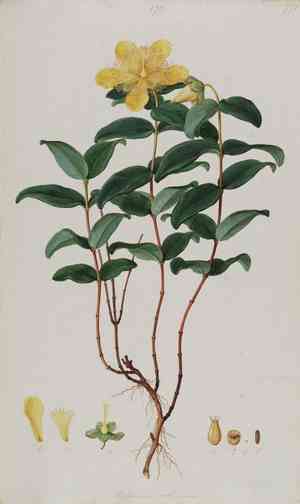
When considering landscaping choices, Creeping St. John's wort stands out for many reasons. This adaptable plant, known for its lush green leaves and vibrant yellow blooms, adds charm to any garden. Whether you're a beginner or an experienced gardener, incorporating Creeping St. John's wort into your landscape can make a big difference. Its ability to thrive in various conditions makes it a favorite among landscapers aiming for both attractive and low-maintenance outdoor areas.
Key features that make Creeping St. John's wort a popular landscaping plant
Creeping St. John's wort offers several key features that contribute to its popularity. Its evergreen foliage provides a consistent backdrop year-round, while its bright yellow flowers create seasonal highlights in your garden. Additionally, Creeping St. John's wort is known for its toughness and can endure a range of environments and weather. This resilience, combined with its low water needs, makes it a practical and appealing choice for many landscapes.
Landscaping Advantages of Creeping St. John's wort
Visual appeal and year-round interest
One of the most compelling reasons to include Creeping St. John's wort in your landscaping is its aesthetic charm. The plant offers vibrant greenery throughout the year, adding structure and color to your garden even in colder months. During its blooming period, it provides a delightful burst of yellow, making it an eye-catching feature. This blend of evergreen leaves and seasonal flowers ensures your landscape remains visually engaging all year.
Low-maintenance characteristics
For those who desire a beautiful garden but lack time for extensive upkeep, Creeping St. John's wort is an ideal selection. This plant requires minimal care once established. It is relatively pest-resistant and can tolerate dry spells, reducing the need for frequent watering. Occasional trimming to maintain its shape and size is typically all that's needed to keep Creeping St. John's wort looking its best, allowing you more time to enjoy your garden instead of working on it.
Adaptability to various soil types and environments
Another remarkable trait of Creeping St. John's wort is its versatility. This plant can flourish in diverse soil types, from sandy to clay, and it can grow in both sun and partial shade. Such flexibility allows its use in different garden areas, from open spaces to shaded spots under trees. Its ability to establish quickly and spread efficiently makes it a good ground cover, helping to control erosion and suppress weeds. This adaptability makes landscaping with Creeping St. John's wort both convenient and effective.
Integrating Creeping St. John's wort Into Your Landscape Design
Selecting appropriate planting locations
Choosing the best spot for Creeping St. John's wort in your garden is crucial to maximize its benefits. It's important to consider the plant's requirements and your garden's layout. Creeping St. John's wort thrives in areas with well-drained soil and can handle both full sun and partial shade. Planting it where it receives morning sun and afternoon shade generally yields the best results. For sloped areas or spots prone to erosion, Creeping St. John's wort can also act as a stabilizing groundcover, preventing soil loss and enhancing the landscape.
Design concepts: borders, groundcovers, and accents
There are several creative ways to incorporate Creeping St. John's wort into your landscape design. As a border plant, it can define garden beds and pathways, offering a continuous green edge that transitions beautifully with the seasons. When used as a groundcover, Creeping St. John's wort creates a lush, dense mat of foliage that can suppress weeds and protect soil. Additionally, it works wonderfully as an accent plant, drawing attention to specific garden areas with its bright flowers and dense greenery. Whether you're looking to fill gaps or create striking focal points, Creeping St. John's wort offers versatile design solutions.
Optimal Combinations with Creeping St. John's wort for a Stunning Yard
Best companion plants for Creeping St. John's wort
Creating an attractive garden often involves combining different plants that complement each other. Creeping St. John's wort pairs well with various companions, enhancing the overall landscape design. Consider planting it alongside ornamental grasses, which add texture and movement. Flowering perennials like lavender or salvia can also complement Creeping St. John's wort with their contrasting colors and forms. Using companion plants that share similar growing conditions will ensure a cohesive and thriving garden.
Advice on color schemes and textural contrasts
Achieving a balanced and visually engaging garden involves playing with color schemes and textures. Creeping St. John's wort's bright yellow flowers and green leaves can be highlighted with plants that have contrasting foliage, such as silver-leafed plants like dusty miller or blue-hued plants like blue fescue. Mixing in plants with different textures, such as spiky yuccas or soft lamb's ears, can create dynamic and engaging visual interest. These combinations not only enhance beauty but also provide a richer sensory experience in your garden.
Maintenance Guidelines for Creeping St. John's wort in Your Landscape
Key upkeep and seasonal care recommendations
To keep your Creeping St. John's wort looking its best, regular but minimal care is needed. General upkeep involves watering during dry periods, especially in the first year to help establish roots. Pruning is best done in early spring to encourage new growth and maintain the plant's shape. Fertilizing is rarely necessary, but applying a balanced, slow-release fertilizer in early spring can promote healthier growth and more abundant flowering. These simple care routines will ensure your Creeping St. John's wort remains a vibrant part of your landscape.
Troubleshooting common issues with Creeping St. John's wort
While Creeping St. John's wort is generally tough, it can occasionally face problems like any other plant. Common issues include root rot due to poor drainage and pest infestations like aphids or spider mites. To prevent root rot, ensure your planting area has well-drained soil, and avoid overwatering. For pest control, encourage natural predators like ladybugs or apply insecticidal soap if infestations become severe. Regularly monitoring your plants and addressing issues promptly will help maintain the health and beauty of your Creeping St. John's wort.



