Enhancing Your Garden Design with the Garden stonecrop Plant: A Landscaping Guide
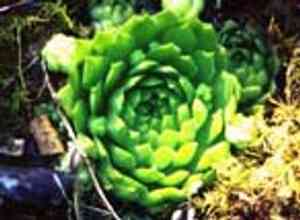
1
For best development, cultivate Garden stonecrop in soil that drains effectively.
2
Garden stonecrop complements other plants that tolerate dry conditions.
3
Factor in Garden stonecrop's seasonal look to preserve garden appeal throughout the year.
Introducing Sedum in Landscape Design
Sedum's contribution to garden aesthetics
Integrating sedum into your garden plan can significantly alter the overall appearance and atmosphere of your outdoor space. Renowned for its hardiness and minimal care requirements, sedum offers a unique blend of texture and color that can enhance diverse garden styles, from contemporary minimalist to rustic cottage gardens. Its structured form and striking blooms provide visual appeal, making it perfect for creating focal points or filling empty garden areas.
Distinctive features of sedum
Sedum is notable for its unique characteristics, including its fleshy, succulent leaves and clusters of star-shaped blossoms. These plants are well-adapted to endure arid conditions, making them excellent for regions with limited rainfall. Their thick leaves store water, aiding their survival during dry spells. Furthermore, sedum's flowers, ranging from white to pink, attract pollinators, adding ecological value to your garden.
Incorporating Sedum into Your Landscape
Choosing the optimal site for sedum
Selecting the right location for sedum is vital for its growth and visual impact. Ideally, sedum should be planted in areas that receive full sun to partial shade. Ensure the soil drains well to prevent waterlogging, which can lead to root decay. Consider planting sedum on slopes or in raised beds to improve drainage and enhance visual appeal.
Pairing sedum with other plants
Sedum complements other drought-tolerant plants beautifully, such as lavender, sage, and ornamental grasses. This combination not only creates a harmonious and visually pleasing garden but also encourages sustainable gardening practices by reducing water consumption. Mixing sedum with plants that have varying foliage colors and textures can add depth and diversity to your landscape.
Seasonal considerations for sedum
It's important to account for sedum's seasonal appearance to maintain year-round garden beauty. In spring and summer, sedum produces vibrant flowers that can brighten your garden. In autumn, its foliage often changes color, adding another layer of interest. Planning your garden design to accommodate these seasonal shifts will ensure that sedum enhances your landscape throughout all seasons.
Design Concepts Utilizing Sedum
Creating focal points with sedum
Utilize sedum to establish prominent focal points in your garden. Plant them in groupings or as individual specimens in conspicuous locations to draw attention. For instance, consider placing sedum at the center of a circular garden bed or alongside an entryway to make a lasting impression.
Enhancing pathways and borders
Sedum can be effectively used to line garden pathways or define border edges. Its neat, compact growth habit ensures it remains tidy without spreading into walkways. The distinct foliage and flowers can create a clear boundary, offering both practical and aesthetic benefits. Combining sedum with various colored gravel or stone can further accentuate garden paths.
Rooftop and vertical garden applications
Sedum is an excellent choice for rooftop and vertical gardens due to its low maintenance needs and shallow root system. It can thrive in the less-than-ideal soil conditions often found in these environments. Create a lush green wall or a vibrant rooftop garden by planting sedum in containers, hanging baskets, or vertical planter systems.
Sedum Care and Maintenance Tips
Basic seasonal care for sedum
Maintaining sedum requires minimal effort. During the growing season, ensure it receives adequate water but avoid overwatering. In late fall, trim back any dead or withered stems to encourage new growth in spring. Applying a mulch layer can also help retain soil moisture and suppress weeds.
Addressing common issues
While sedum is generally robust, it can sometimes encounter problems like root rot due to poor drainage or pests such as aphids. Ensure your garden bed or container has proper drainage, and inspect plants regularly for pests. If you notice any pests, treat them with organic insecticidal soap to keep your plants healthy.
Environmental Advantages of Incorporating Sedum in Landscaping
Sustainability aspects of using sedum
Sedum contributes to a sustainable garden by requiring less water than many other plants, making it ideal for xeriscaping. Its drought resistance means you can maintain a vibrant garden without excessive water usage, promoting environmental sustainability.
Contribution to biodiversity
By including sedum in your garden, you support local biodiversity. Its flowers attract pollinators such as bees and butterflies, which are vital for a healthy ecosystem. Additionally, the plant provides habitat and food sources for various beneficial insects, fostering a balanced garden environment.



