Enhancing Your Garden Design with the Water poppy Plant: A Landscaping Guide
1
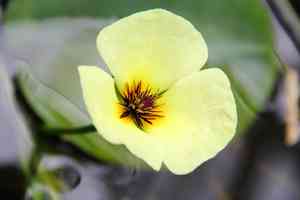
Water poppy offers a stunning aesthetic with its vivid flowers and abundant leaves.
2
Choosing an appropriate site is essential for Water poppy's best development.
3
Good upkeep guarantees Water poppy stays robust and flourishes in your garden.
Introducing Water Poppy in Garden Design
Appreciating the visual charm of Water Poppy
For enhancing your outdoor space, few plants match the striking allure of Water Poppy. Its bright yellow blossoms and rich green leaves create a captivating contrast, enlivening any garden area. Whether placed in ponds, aquatic gardens, or container water features, Water Poppy becomes a focal point, admired by all. The plant's floating habit brings a sense of calm and tranquility, often making it a favorite for peaceful garden escapes.
Fundamentals of incorporating Water Poppy into landscape themes
Integrating Water Poppy into your garden plan involves considering the themes and overall look you wish to achieve. This adaptable plant fits well into various landscape styles, from modern water gardens to traditional cottage gardens. Think about your landscape's color scheme; Water Poppy's bright yellow flowers complement both vivid and subdued tones. Its flexibility allows it to enhance formal garden layouts as well as naturalistic designs. By strategically positioning Water Poppy, you can create focal points or soft borders for water bodies, adding depth and dimension to your garden.
Selecting the Optimal Spot for Water Poppy
Key considerations: Light, area, and companion flora
Choosing the correct location for Water Poppy is vital for its health and visual impact. Start by evaluating light conditions; Water Poppy thrives in full sun to partial shade. Ensure the chosen spot provides ample room for the plant to spread without crowding other aquatic species. Companion plants are equally important; consider pairing Water Poppy with complementary aquatic plants that have similar light and space needs. This not only ensures a harmonious growing environment but also boosts the overall aesthetic appeal of your water feature.
Prime locations for maximum visual appeal
To maximize visual appeal, position Water Poppy in areas where its beauty can be fully appreciated. Ideal placements include the front of ponds and water gardens where the plant's blooms are easily visible. Placing Water Poppy near seating areas allows for close enjoyment of its charm. In larger landscapes, grouping Water Poppy with other aquatic plants can create a lush, dynamic scene. Additionally, floating baskets or pots can be used to precisely position Water Poppy without disturbing existing water features.
Integrating Water Poppy with Other Aquatic Plants
Compatible plants for Water Poppy
Pairing Water Poppy with suitable plants can enhance both its beauty and the ecological balance of your water feature. Consider aquatic plants like water lilies, which share a similar spreading habit and offer contrasting flower shapes and colors. Marginal plants such as cattails and irises can provide vertical interest and textural contrast. Floating plants like water hyacinth can add variety and additional layers to your pond. By selecting plants that thrive in similar conditions, you create a cohesive and vibrant aquatic display.
Establishing a balanced aquatic environment
Creating a balanced aquatic ecosystem is crucial for the long-term health of Water Poppy and its companions. Ensure a mix of plants that fulfill different ecological roles, such as oxygenators like anacharis, which help maintain water clarity and quality. Introduce beneficial bacteria to aid in breaking down organic matter and preventing algae overgrowth. Regularly monitor water parameters including pH, temperature, and nutrient levels. A balanced ecosystem promotes robust plant growth and reduces the risk of diseases and pest infestations.
Care Guidelines for Water Poppy in Gardens
Seasonal upkeep and management
To keep Water Poppy flourishing year-round, it's important to adjust your care routine based on the season. During the growing season, regular fertilization with aquatic plant food will support healthy growth and flowering. Trim dead or yellowing leaves to maintain the plant's appearance and prevent decay in the water. As colder weather approaches, consider moving Water Poppy indoors or to a sheltered location to protect it from frost. In warmer climates, a winter dormant period may require less intervention, but always monitor for any signs of stress or disease.
Addressing common issues
While Water Poppy is relatively low-maintenance, it can face some common challenges. Pest infestations, such as aphids or water snails, can be managed with natural predators like ladybugs or manually removing pests. Ensuring adequate water circulation can prevent issues like algae buildup. Regular water quality testing helps in detecting and addressing imbalances promptly. Stay vigilant for signs of disease, such as fungal infections or root rot, and take corrective measures as soon as possible to maintain the health and beauty of your Water Poppy.
Creative Concepts for Landscaping with Water Poppy
Novel design inspirations
Innovative design ideas can help Water Poppy stand out in your landscape. Consider creating tiered water gardens with cascading pools where Water Poppy occupies the topmost layer. Use reflective surfaces like mirrors or polished stones around your water feature to amplify the plant's visual presence. For a whimsical touch, integrate Water Poppy into themed gardens such as a Japanese Zen garden or a tropical paradise. Experiment with different containers, such as vintage tubs or repurposed ceramics, to house Water Poppy in unique, eye-catching ways.
Case studies: Successful Water Poppy landscape projects
Examining successful landscape projects can provide valuable inspiration and insights. One case study involves a water garden designed with Water Poppy at a botanical garden, where the plant's vibrant flowers contrasted beautifully with deep blue water lilies and lush green ferns. Another example is a residential pond featuring Water Poppy alongside decorative stones and koi fish, creating a serene backyard retreat. Learning from such projects can help you understand effective placement, accompanying plant choices, and essential maintenance practices that contribute to stunning landscape designs.



