Enhancing Your Garden Design with the Panicle hydrangea Plant: A Landscaping Guide
1
Panicle hydrangea presents an enchanting display of seasonal colors, bringing vivid shades to any outdoor space.
2
Correct positioning and maintenance are essential for Panicle hydrangea to flourish in your yard.
3
Panicle hydrangea has the potential to boost property worth and support environmental well-being.
Grasping the Distinctive Beauty of Panicle Hydrangea
Recognizing the unique characteristics of Panicle hydrangea
Selecting appropriate plants for your garden starts with understanding their individual traits, and Panicle hydrangea is no different. Renowned for its striking conical flower clusters and robust form, Panicle hydrangea stands out in any setting. Its blooms can reach lengths of 12-18 inches, creating an undeniable visual spectacle. With a sturdy, woody stem, Panicle hydrangea endures various weather conditions, making it a dependable garden choice.
The seasonal hue shifts of Panicle hydrangea
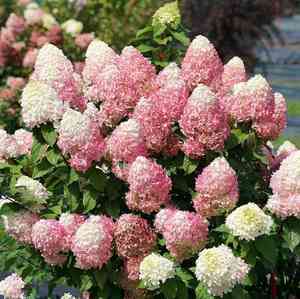
The allure of Panicle hydrangea lies in its dynamic color-changing capability. Beginning with creamy whites and soft greens in early summer, the flowers of Panicle hydrangea transition through pinks and reds as the season advances into autumn. This continuous transformation not only keeps your garden looking fresh and varied but also ensures there's always something new to admire. Envision a plant that offers visual appeal for months on end - that's the charm of Panicle hydrangea.
How Panicle hydrangea's form complements modern landscape designs
Panicle hydrangea is not merely visually pleasing; it also offers structural benefits for contemporary landscape aesthetics. Its upright, shrub-like habit adds elevation and volume without dominating other garden elements. Whether you're crafting sleek, modern lines or aiming for a naturalistic feel in your modern garden space, Panicle hydrangea can serve as the ideal link between diverse design components. Its prunability also means you can shape it to suit your specific design needs, fostering a versatile and current appearance.
Integrating Panicle Hydrangea into Various Landscape Styles
Incorporating Panicle hydrangea into formal garden layouts
Formal gardens frequently showcase symmetrical patterns and neat, well-defined areas. Panicle hydrangea fits seamlessly into this design type with its clean lines and structured shape. Plant Panicle hydrangea in rows or groupings to form a visually appealing hedge or border. The uniformity of its blossoms can establish a sense of order and sophistication that perfectly aligns with traditional, formal landscapes.
Utilizing Panicle hydrangea in relaxed cottage gardens
If you're aiming for a more relaxed, whimsical garden atmosphere, Panicle hydrangea can still be your preferred plant. Its natural, bushy growth integrates perfectly into the free-flowing arrangement of a cottage garden. Intersperse Panicle hydrangea with other flowering perennials to cultivate a lush and vibrant environment. The changing colors of Panicle hydrangea throughout the seasons will provide continuous interest, keeping your garden looking lively and dynamic all year.
Creating focal points with Panicle hydrangea in minimalist settings
Minimalist landscapes benefit from simplicity and striking focal points, making Panicle hydrangea an excellent selection. The plant's impressive blooms and structured form can act as eye-catching elements without cluttering the area. Position Panicle hydrangea in a prominent spot where its shifting colors and distinct shape will draw attention. It can become a centerpiece of your garden, providing a dynamic visual anchor.
Placing Panicle Hydrangea for Optimal Growth and Aesthetic Impact
Best practices for site selection and sun exposure
For Panicle hydrangea to truly flourish, careful consideration of its placement is crucial. Ideally, select a location that receives morning sun and some afternoon shade. Panicle hydrangea thrives in partial shade, which shields it from the potentially harsh afternoon sun. Planting it in such spots ensures that the blooms remain vibrant and the foliage healthy throughout the growing season.
Choosing companion plants that complement Panicle hydrangea
Companion planting can enhance the beauty and vitality of Panicle hydrangea. Consider pairing Panicle hydrangea with plants that share similar growth requirements and complementary hues. Hostas, ferns, and low-growing evergreens make excellent companions, as their textures and shades can offset the dramatic blooms of Panicle hydrangea. These combinations can create a harmonious and well-balanced garden appearance.
Considering soil types and moisture requirements
Panicle hydrangea prefers well-drained, fertile soil to thrive. Amend heavy clay soils with organic matter to improve drainage and workability. Consistent watering is vital, especially during dry periods, as Panicle hydrangea favors steady moisture. Mulching around the plant's base helps retain soil moisture and regulate soil temperature, fostering healthier growth.
Seasonal Care Advice to Maximize Panicle Hydrangea's Landscape Contribution
Spring preparation for a thriving summer
Spring is the ideal time to prepare Panicle hydrangea for a successful blooming season. Prune dead or weak branches to encourage vigorous growth. Fertilize with a balanced, slow-release fertilizer as new growth emerges. These early season steps will set the stage for Panicle hydrangea to produce strong, healthy blooms when summer arrives.
Managing Panicle hydrangea's health during warm months
Summer can be challenging for plants, but with some extra attention, Panicle hydrangea will flourish. Ensure the plant receives sufficient water, particularly during dry spells. Mulch generously to help retain moisture and keep roots cool. Conduct regular inspections for pests and diseases, treating any issues promptly to prevent their spread.
Preparing Panicle hydrangea for winter: Essential steps
As winter approaches, take measures to protect Panicle hydrangea from the cold. Apply a layer of mulch to insulate the roots against freezing temperatures. Prune lightly to maintain shape but avoid heavy pruning, as this can stimulate new growth that may not survive the winter. With proper winter preparation, Panicle hydrangea will emerge healthy and ready to thrive again in the spring.
Long-term Advantages of Panicle Hydrangea in Landscaping
Increasing property value and curb appeal over time
Investing in Panicle hydrangea can significantly boost your property's worth and aesthetic appeal. The plant's stunning seasonal displays create a strong first impression, garnering admiration from visitors and potential buyers alike. Over time, a well-maintained Panicle hydrangea can become a prominent feature, contributing to an attractive, cohesive landscape.
Contributing to biodiversity and ecological well-being
Panicle hydrangea is not just beautiful; it also plays a role in supporting local biodiversity. The plant attracts pollinators such as bees and butterflies, helping to enhance the ecological health of your garden. By incorporating Panicle hydrangea, you're not only improving your landscape's appearance but also contributing to a healthier environment.
Enjoying lasting color and structure in your garden landscape
One of the remarkable attributes of Panicle hydrangea is its enduring beauty. Even as the blooms fade, the plant's strong structure and persistent seed heads maintain visual interest throughout the year. This lasting presence ensures that your garden continues to look vibrant and structured, regardless of the season.



