Enhancing Your Garden Design with the Bigleaf hydrangea Plant: A Landscaping Guide
1
Bigleaf hydrangea flourishes in various light conditions, making it adaptable for diverse garden settings.
2
These plants contribute to visual appeal, enriching color schemes and providing year-round interest.
3
Appropriate upkeep and seasonal attention are crucial for maintaining the vitality and attractiveness of Bigleaf hydrangea.
Introducing Bigleaf Hydrangea to Your Garden
Why select Bigleaf hydrangea for your landscape?
Bigleaf hydrangea stands out as a superb option for any garden, owing to its adaptability, resilience, and vivid blossoms. These plants are recognized for their abundant foliage and can flourish in diverse light conditions, from full sun to partial shade. Furthermore, Bigleaf hydrangea can thrive in various soil types, making them suitable for different landscaping requirements. Their capacity to prosper in diverse settings makes them a favorite among both new and seasoned gardeners.
The aesthetic contribution of Bigleaf hydrangea to garden design
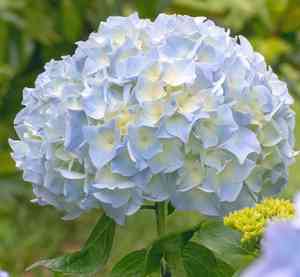
The visual appeal of Bigleaf hydrangea is undeniable. These plants produce large, colorful flowers that serve as focal points in your garden. Ranging from soft pastels to intense hues, Bigleaf hydrangea blooms can complement any design scheme. Whether used in borders, as a solitary feature, or in container plantings, Bigleaf hydrangea adds a touch of grace and sophistication to your outdoor area. Their varied bloom colors also make them ideal for crafting seasonal themed gardens.
Selecting the Ideal Spot for Bigleaf Hydrangea
Evaluating sun exposure and shade for optimal development
When choosing a site for Bigleaf hydrangea, it's vital to consider the plant's light and shade needs. Ideally, Bigleaf hydrangea thrives with morning sun and afternoon shade. Excessive direct sunlight can cause leaves to wilt, while too much shade can impede flower production. Achieving a balance ensures robust growth and vibrant blooms. Therefore, assess your garden's sun patterns throughout the day to pinpoint the perfect planting location.
Considering soil composition and water drainage
Bigleaf hydrangea are quite tolerant regarding soil types but perform best in well-drained, moist soil rich in organic material. Before planting, check the soil's drainage quality to prevent waterlogging, which can lead to root rot. Amending the soil with compost or aged manure can boost its fertility and structure, providing a healthier growing environment for Bigleaf hydrangea. Properly prepared soil ensures your plants receive the necessary nutrients and moisture for peak growth.
Integrating Bigleaf Hydrangea with Other Plants
Companion plants that flourish alongside Bigleaf hydrangea
Creating a harmonious garden involves pairing Bigleaf hydrangea with suitable companion plants. Ferns, hostas, and azaleas are excellent partners, sharing similar preferences for partial shade and moist, well-drained soil. These plants not only thrive in the same conditions but also enhance your garden's visual appeal by offering a variety of textures and colors. Incorporating a mix of plants that bloom at different times ensures continuous interest and color throughout the growing season.
Designing for color balance and year-round appeal
To achieve color harmony and seasonal interest, consider the bloom colors and timing of both Bigleaf hydrangea and their companion plants. For instance, pairing Bigleaf hydrangea with early spring bulbs and late-summer perennials can extend the flowering period and keep your garden vibrant all year. Additionally, think about foliage colors that complement Bigleaf hydrangea's blooms. Dark green or purple leaves can create striking contrasts, while variegated leaves can add a touch of brightness. Strategic planting ensures a visually appealing garden regardless of the season.
Landscape Maintenance Tips for Bigleaf Hydrangea
Essential care for plant health and beauty
Maintaining the health and beauty of Bigleaf hydrangea involves consistent watering, mulching, and occasional trimming. Ensure the soil remains consistently damp but not waterlogged, especially during dry periods. Applying a layer of mulch around the base helps retain soil moisture and suppress weeds. Pruning should be done annually to remove dead or damaged stems and to shape the plant. This encourages new growth and maintains the plant's natural form.
Seasonal considerations for robust development
Seasonal care is crucial for vigorous growth. In spring, fertilize Bigleaf hydrangea with a balanced feed to promote healthy foliage and flower development. During summer, monitor soil moisture and continue with regular irrigation. In autumn, add compost or organic matter to prepare the plant for winter. In winter, protect Bigleaf hydrangea from frost damage by mulching heavily around the base and covering with burlap if needed. Adapting care routines according to the seasons ensures Bigleaf hydrangea remains healthy and resilient year-round.



