Enhancing Your Garden Design with the Common hyacinth Plant: A Landscaping Guide
1
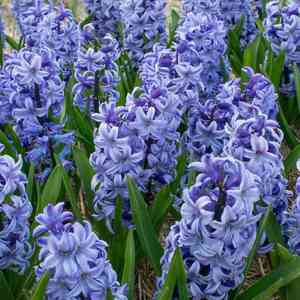
The Common hyacinth is recognized for its impressive appearance and aromatic flowers.
2
Its seasonal flowering habit makes the Common hyacinth ideal for springtime color.
3
Appropriate soil and planting environments are crucial for sustaining robust Common hyacinth.
Introduction to Hyacinth in Landscaping
Understanding the visual appeal of Hyacinth
A captivating aspect of Hyacinth is its vibrant and varied color range. Whether you desire a soft, pastel garden or a bold, striking display, Hyacinth offers diverse shades to match your aesthetic. Furthermore, its rich, sweet scent provides a sensory experience, transforming any outdoor area into a delightful sanctuary. The tall, upright flower spikes add height and texture to garden beds, beautifully contrasting with surrounding foliage.
Seasonal bloom patterns of Hyacinth
Hyacinth typically flowers in early spring, often signaling winter's end with its vivid display. This early bloom period allows Hyacinth to stand out when many other plants are just emerging from winter dormancy. By strategically planting Hyacinth, you can ensure a burst of color in your garden, paving the way for other plants as warmer months approach. Understanding and planning around its blooming habits will help create a harmonious and dynamic garden.
Design Principles Using Hyacinth
Integrating Hyacinth with other plants
When incorporating Hyacinth into your landscape, consider plants that complement its height and color. Pairing Hyacinth with other spring bulbs like tulips and daffodils can create a layered effect, adding depth to your garden. Low-growing ground covers or ornamental grasses can provide a lush backdrop, highlighting Hyacinth's striking flower spikes. Additionally, perennials that bloom later can fill gaps after Hyacinth finishes flowering, keeping the garden vibrant and dynamic.
Color coordination and bloom timing
To maximize your garden's visual appeal, consider the color wheel and bloom timing. Combine Hyacinth with complementary or contrasting colors for striking visual effects. For instance, pairing blue or purple Hyacinth with yellow daffodils creates a vivid, eye-catching contrast. Stagger plantings for continuous blooms throughout spring. Coordinating colors and bloom times ensures different garden sections shine at various points, keeping the landscape engaging and lively.
Creating focal points with Hyacinth
Using Hyacinth as a garden focal point can draw the eye and create areas of interest. Plant clusters of Hyacinth in key spots, such as near entryways or along walkways, to highlight these areas and make them more inviting. The tall, striking flower spikes work exceptionally well in formal garden settings, adding sophistication and grace. In naturalistic or cottage-style gardens, Hyacinth can be planted in irregular patterns for a more relaxed, whimsical feel.
Practical Tips for Landscaping with Hyacinth
Soil and exposure considerations for Hyacinth
Hyacinth thrives in well-drained soil with a neutral to slightly acidic pH. Consider amending heavy clay soils with compost or sand to improve drainage. While Hyacinth tolerates various sunlight conditions, they perform best in full sun to partial shade. Ensure the planting site receives at least six hours of daily sunlight for robust growth and flowering. Proper soil preparation and site selection are crucial for optimal results with Hyacinth.
Spacing and planting depth tips
Correct spacing and planting depth are vital for successful Hyacinth growth. Plant bulbs about 4-6 inches deep, with the pointed end facing upward. Space bulbs approximately 4-6 inches apart to allow adequate airflow and prevent overcrowding, which can lead to fungal issues. Grouping bulbs in clusters rather than straight lines creates a more natural and pleasing appearance. Consider planting in drifts for a more dramatic effect when flowers bloom en masse.
Maintaining Hyacinth in landscape settings
To keep Hyacinth looking its best, regular maintenance is essential. Deadhead spent flowers to encourage the plant to direct energy back into the bulb for the next season. However, leave the foliage intact until it yellows and dies back naturally, allowing the plant to photosynthesize and store energy. Water Hyacinth regularly during dry periods but avoid overwatering, which can cause bulb rot. Applying a balanced, slow-release fertilizer in fall and early spring also supports healthy growth and blooming.
Innovative Uses of Hyacinth in Modern Gardens
Contemporary garden designs featuring Hyacinth
Hyacinth can be used in various contemporary garden designs to add elegance and vibrancy. Consider using them in geometric planting patterns or minimalist garden beds where their architectural form stands out. They can also be integrated into modern container gardens, providing a burst of color and fragrance on patios or balconies. The strong vertical lines of Hyacinth complement the clean lines and structured forms common in modern garden designs.
Combining traditional and modern aesthetics
Blending traditional and modern elements in your garden can create a unique and harmonious space. Use Hyacinth alongside classic garden features, such as boxwood hedges or stone pathways, to maintain a timeless look. Simultaneously, introduce contemporary elements like sleek metal planters or water features to add a modern twist. Mixing these styles allows Hyacinth to bridge the gap between old and new, creating a garden that is both familiar and refreshingly current.



