Enhancing Your Garden Design with the Spanish bluebell Plant: A Landscaping Guide
1
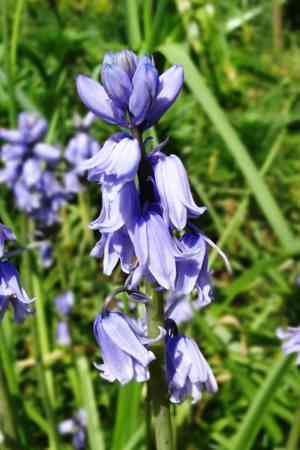
Spanish bluebells offer vivid hues and architectural interest to nearly any garden setting.
2
When establishing Spanish bluebells, account for their preference for dappled light and soil that drains effectively.
3
Periodically separating Spanish bluebell bulbs aids in controlling their spread and improving their vitality.
Introducing Spanish Bluebell to Your Landscape
Why incorporate Spanish bluebell into your garden?
Spanish bluebell is a adaptable and hardy plant that can significantly enhance the beauty and appeal of your garden. Its striking bell-shaped blossoms come in shades of blue, pink, and white, creating a captivating visual display. Furthermore, Spanish bluebell is relatively simple to cultivate and care for, making it an excellent choice for both new and experienced gardeners. Additionally, it's ideal for naturalizing, meaning it can spread and form lovely, spontaneous clusters over time.
The aesthetic appeal of Spanish bluebell
A primary reason gardeners select Spanish bluebell is its remarkable visual charm. The plant's flowers emerge in late spring, providing a burst of color that can brighten any garden space. The drooping, tubular blooms of Spanish bluebell evoke a wild woodland scene, bringing a touch of natural grace to cultivated gardens. Their lush, vibrant green leaves offer an attractive backdrop for the flowers and can add texture and depth to garden beds and borders.
Designing with Spanish Bluebell
Evaluating your garden area
Before planting Spanish bluebell, it's crucial to assess your garden's layout and available space. Consider locations where Spanish bluebell's height and spread can be accommodated without overshadowing other plants. Observe the light and soil conditions in these areas to ensure they meet Spanish bluebell's preference for partial shade and well-draining soil. Proper planning helps prevent overcrowding and ensures each plant has ample room to flourish.
Selecting the optimal site for Spanish bluebell
The placement you choose for Spanish bluebell is vital for its success. Ideally, pick an area that receives some filtered light; too much direct sun can scorch the leaves, while deep shade can impede flowering. The soil should be rich, loamy, and well-drained to prevent waterlogging, which can lead to bulb rot. Raised beds or sloped gardens can be particularly good spots for Spanish bluebell, as they offer excellent drainage and air circulation.
Companion plants and color schemes
When planning your garden, consider pairing Spanish bluebell with other plants to create a visually pleasing and harmonious landscape. Combine Spanish bluebell with plants that have contrasting colors and varied bloom times to create a dynamic display throughout the season. For instance, integrating Spanish bluebell with early-blooming bulbs like daffodils and crocuses can extend the period of interest in your garden. Additionally, selecting foliage plants like ferns and hostas can enhance visual texture and support Spanish bluebell's aesthetic appeal.
Integrating Spanish Bluebell with Other Garden Elements
Creating focal points using Spanish bluebell
Utilizing Spanish bluebell as a focal point in your garden can draw attention to specific areas and create a sense of unity in your design. Consider planting Spanish bluebell in groupings or drifts to maximize their visual impact. Position these clusters in strategic locations, such as your garden's entrance, along pathways, or around garden features like benches and arbors. This not only highlights Spanish bluebell's beauty but also enhances the overall structure and flow of your garden landscape.
Achieving height and structural balance
The height and structure of Spanish bluebell can play a crucial role in creating a balanced landscape design. Spanish bluebell typically grows to about one to two feet tall, making it an excellent mid-layer plant in garden borders. Plant shorter ground covers in front and taller shrubs or trees behind to create depth and layers. This approach helps achieve a balanced and aesthetically pleasing garden, where each plant complements the others in height and form.
Seasonal considerations for Spanish bluebell
Planning for seasonal changes in your garden ensures that Spanish bluebell and other plants look their best year-round. Spanish bluebell blooms in late spring, so consider the surrounding plants' bloom times to maintain consistent color and interest. Summer perennials and annuals can follow Spanish bluebell's flowering period, keeping the garden vibrant and lively. Additionally, ensure that Spanish bluebell's foliage is allowed to die back naturally after blooming; this enables the plant to store energy for the next growing season.
Care Guidelines for Spanish Bluebell in Your Garden
Fundamental care tips for Spanish bluebell
Caring for Spanish bluebell is relatively straightforward. Water the plants regularly during the growing season but avoid overwatering, as waterlogged soil can harm the bulbs. Applying a layer of mulch can help retain moisture and suppress weeds. Fertilize with a balanced, slow-release fertilizer at the start of the growing season to support healthy growth and abundant blooms. After flowering, allow the foliage to naturally wither to nourish the bulbs for the subsequent year.
Managing growth and spread
Over time, Spanish bluebell can naturalize and spread extensively, which may require some management to keep the plant neatly within its designated area. An effective method is to divide the bulbs every few years. This not only controls their spread but also revitalizes the plants, leading to improved blooms. Dig up the clumps of bulbs after the foliage has died back, and replant them in smaller groups. Regularly removing any spent flowers can also prevent unwanted self-seeding and maintain a tidy appearance in your garden.



