Enhancing Your Garden Design with the Common hop Plant: A Landscaping Guide
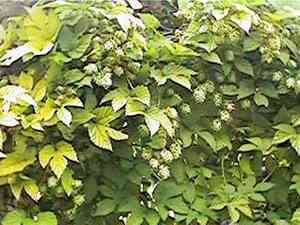
1
Common hop flourishes in direct sun but can endure some dappled light.
2
Adequate spacing for Common hop promotes robust development and avoids congestion.
3
Routine trimming of Common hop assists in preserving its form and stimulates fresh shoots.
Why Integrate Common Hop into Your Outdoor Space?
Natural beauty: Enhancing garden visual appeal
Common hop is an excellent option for those aiming to introduce natural beauty to their garden. Its abundant foliage and climbing habit make it a striking addition to vertical structures like trellises and arbors. When guided correctly, Common hop can form a lush screen, transforming plain walls and fences into captivating green features that elevate your garden's aesthetic. The plant's capacity for rapid growth and space-filling helps create a verdant and tranquil atmosphere, ideal for unwinding and enjoyment.
Perennial nature: Advantages of enduring plants in landscaping
A key characteristic of Common hop is its perennial nature. This means it will return annually, saving you the effort of replanting and providing consistent beauty in your garden. Once established, Common hop can thrive with minimal upkeep, making it a perfect choice for gardeners who prefer low-maintenance plants. Its perennial growth ensures a continuous green presence in your landscape, contributing to continuity and stability in your garden design.
Ecological benefits: Support for local fauna
Common hop offers numerous ecological advantages, extending beyond its aesthetic appeal. Its dense foliage provides refuge and nesting sites for various birds and insects, fostering biodiversity in your garden. Furthermore, its flowers attract pollinators like bees and butterflies, playing a vital role in local ecosystems. By incorporating Common hop into your landscaping, you're not only improving your garden's appearance but also positively impacting the environment.
Selecting the Ideal Spot for Common Hop
Sunlight needs: Optimal light conditions for development
For Common hop to flourish, choosing a location with ample sunlight is crucial. Ideally, it should receive full sun for most of the day to ensure vigorous growth and abundant blooms. However, Common hop also tolerates partial shade, making it adaptable for various garden settings. When selecting a spot, observe how sunlight moves across your garden and pick an area where Common hop can enjoy maximum sun exposure.
Soil preferences: Ensuring proper soil conditions for thriving plants
Common hop prefers well-drained soil with a neutral to slightly acidic pH. While it can tolerate various soil types, ensuring the soil is rich in organic matter will significantly boost its growth. Before planting, amend the soil with compost or other organic materials to enhance its nutrient content and drainage capabilities. This preparation will provide Common hop with the optimal conditions it needs to establish and thrive.
Spacing considerations: How much area Common hop requires for effective growth
Proper spacing is essential for Common hop to grow healthily and prevent issues related to overcrowding. When planting Common hop, ensure sufficient space between individual plants to allow for adequate air circulation, which helps deter diseases. A spacing of approximately 3 to 5 feet between plants is generally recommended. This not only supports healthy growth but also allows each plant enough room to climb and spread without competing for resources.
Integrating Common Hop into Various Landscape Designs
Formal gardens: Enabling symmetry and structure with Common hop
Common hop can be a perfect addition to formal gardens, where symmetry and structure are paramount. Its climbing nature can be utilized to create well-defined shapes and patterns, adding an element of order to the landscape. Use Common hop to frame garden paths, create green arches over walkways, or symmetrically cover fences. The plant's lush green foliage provides a striking contrast to the precise lines and geometric shapes typical of formal garden designs.
Cottage gardens: Creating a relaxed, natural look with Common hop
For those who appreciate the charm and informality of cottage gardens, Common hop is an excellent choice. Its free-growing, wild appearance complements the casual, eclectic nature of cottage garden designs. Plant Common hop alongside a mix of flowers and shrubs to create a picturesque, nature-inspired look. It can climb over rustic garden structures like wooden fences or arbors, contributing to a welcoming and cozy garden atmosphere.
Modern landscapes: Using Common hop to add a touch of green to minimalist designs
In modern landscapes characterized by clean lines and minimalist decor, Common hop can introduce a refreshing splash of greenery. Use Common hop strategically to soften the starkness of modern elements like metal or concrete. Its climbing habit makes it suitable for creating living walls or green screens, which can serve as natural partitions or decorative features. The presence of Common hop can add a layer of texture and color, enhancing the modern aesthetic without overwhelming the simplicity.
Maintenance Advice for Common Hop in Landscaping
Pruning and care: Keeping your Common hop healthy and attractive
Regular pruning is crucial to maintain the shape and health of Common hop. Trim back excessive growth to prevent the plant from becoming unruly and to encourage new, healthy shoots. Remove any dead or diseased branches to keep the plant vigorous and appealing. Pruning also helps manage the plant's size, ensuring it doesn't overshadow other elements in your landscape. Consistent care will result in a more aesthetically pleasing and healthier plant.
Seasonal care: Adjusting your maintenance routine with the seasons
Different seasons necessitate different care routines for Common hop. In spring, focus on promoting growth by ensuring the plant has adequate water and nutrients as it begins to flourish. Summer may require more frequent watering and some shading if temperatures rise. Autumn is an opportune time for significant pruning to prepare the plant for winter dormancy. Applying mulch can protect the roots during colder months. By adapting your care routine to the seasons, you will support Common hop's long-term health and vitality.
Common Challenges and Solutions When Using Common Hop
Addressing common pests and diseases
Common hop can sometimes be susceptible to pests such as aphids and diseases like powdery mildew. Regular inspection of your plants will help detect issues early. Use organic insecticidal soap or neem oil to control pests, and ensure good air circulation around the plants to minimize humidity and reduce the likelihood of fungal infections. Keeping the foliage dry and promptly removing any infected parts can prevent the spread of diseases, ensuring your plants remain healthy.
Managing overgrowth: Strategies for control
Given its vigorous growth habit, Common hop can sometimes extend beyond the desired area. To manage overgrowth, establish a regular pruning schedule to keep the plant within its intended boundaries. Using physical barriers such as trellises or supports can help guide its growth directionally. If Common hop's growth becomes too aggressive, do not hesitate to cut back more significantly to regain control. Proper management will ensure that Common hop enhances rather than overwhelms your landscape.



