Enhancing Your Garden Design with the Japanese raisin tree Plant: A Landscaping Guide
1
The Japanese raisin tree offers continuous aesthetic value through its distinct seasonal transformations.
2
Incorporating the Japanese raisin tree into your landscape can draw in native fauna, such as avian species and pollinators.
3
The Japanese raisin tree benefits the environment by enhancing air purity and mitigating soil degradation.
Exploring the Visual Charm of the Japanese Raisin Tree
Aesthetic Impact: Revealing its Distinctive Appearance
The Japanese raisin tree offers a captivating presence in any garden setting. Its gracefully arching branches and abundant green foliage create a unique visual statement that stands out. The bark possesses a notable texture, adding to its overall allure and often sparking conversation among garden visitors. Whether positioned as a focal point or a complementary plant, the Japanese raisin tree's singular look will undoubtedly elevate your garden's aesthetic appeal.
Seasonal Transformations: Shifts in Color and Texture
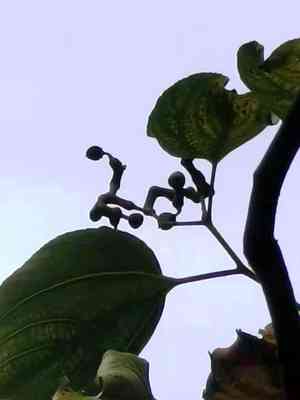
The Japanese raisin tree undergoes remarkable seasonal changes, providing your garden with a dynamic look throughout the year. In spring, the tree displays tender, bright green leaves that are soft to the touch. As summer progresses, these leaves mature into a richer, darker green. During autumn, the foliage shifts in hue, often adopting shades of yellow or bronze, creating a warm and inviting display. Its fruit, resembling small raisins, introduces another layer of texture and visual interest. These seasonal shifts make the Japanese raisin tree a versatile and ever-evolving element in your landscape.
Size and Reach: Spatial Dynamics in Garden Design
A key characteristic of the Japanese raisin tree is its impressive height and spread. It typically reaches about 20-30 feet tall with a width of 15-20 feet, making it a significant feature in your garden. This size makes it excellent for providing shade, forming a natural canopy, or serving as a windbreak. Furthermore, its expansive nature allows it to effectively fill space, contributing to a fuller and more luxuriant garden appearance. When planning your landscape, consider the area the Japanese raisin tree will occupy as it matures, ensuring it complements your overall design.
Incorporating the Japanese Raisin Tree into Your Existing Garden
Selecting the Optimal Site: Sunlight and Soil Advice
To ensure the Japanese raisin tree flourishes in your garden, choosing the correct location is vital. This plant prefers full sun to partial shade, so pick a spot where it receives at least six hours of sunlight daily. It adapts to various soil types but thrives best in well-draining, fertile soil. If your soil is heavy or clay-based, consider enriching it with organic matter to improve drainage. Proper placement and soil preparation will establish the foundation for robust growth and vibrant foliage.
Companion Planting: Ideal Pairings for the Japanese Raisin Tree
Companion planting can enhance the growth and visual appeal of the Japanese raisin tree. Consider pairing it with ground cover plants like hostas or ferns, which thrive in similar conditions and can help maintain soil moisture. Flowering shrubs such as hydrangeas or azaleas can complement the Japanese raisin tree's height and offer additional seasonal color. By carefully selecting companion plants, you can create a harmonious and visually pleasing garden that supports the health and beauty of the Japanese raisin tree.
Design Principles: Achieving a Unified Look
Integrating the Japanese raisin tree into your garden design involves more than just planting; it's about crafting a cohesive aesthetic. Consider your garden's overall style â whether it's formal, informal, contemporary, or traditional â and how the Japanese raisin tree fits into this theme. Utilize it as a focal point or backdrop, and complement its presence with plants of varying heights and textures. Think about pathways, seating areas, and other structural elements that interact with the tree. A well-integrated Japanese raisin tree can unify disparate elements of your garden, creating a harmonious and visually appealing space.
Ecological Advantages of Including the Japanese Raisin Tree in Your Landscape
Supporting Local Wildlife: A Sanctuary for Birds and Bees
Adding the Japanese raisin tree to your garden can establish a haven for local wildlife. Its blossoms produce nectar that attracts bees, which are crucial pollinators for many plants. Birds are also drawn to the tree, seeking its fruit and utilizing its branches for nesting. By planting the Japanese raisin tree, you not only enhance your garden's beauty but also contribute to the local ecosystem by supporting beneficial insects and bird species.
Environmentally Friendly Aspects: Improving Air Quality and Reducing Erosion
The Japanese raisin tree offers several eco-friendly benefits. Its leaves help improve air quality by absorbing carbon dioxide and releasing oxygen. Additionally, its root system aids in stabilizing the soil, reducing erosion by holding the soil in place and preventing runoff. This makes the Japanese raisin tree a valuable addition to gardens in areas prone to soil erosion or for those aiming to enhance their environmental stewardship.
Sustainability: Low Water Needs and Perennial Growth
A significant advantage of the Japanese raisin tree is its sustainability. The plant is relatively low-maintenance and requires minimal watering once established, making it an excellent choice for water-conscious gardeners. As a perennial, it will continue to grow and thrive year after year without the need for replanting, providing long-term benefits with relatively low effort. Integrating the Japanese raisin tree into your garden is a step toward creating a more sustainable and self-sufficient landscape.
Care Guidelines for the Japanese Raisin Tree in Your Garden
Pruning Techniques: Ensuring Vigor and Development
Pruning is crucial for maintaining the health and appearance of the Japanese raisin tree. Regular pruning helps remove dead or diseased branches, allowing the tree to direct its energy toward new growth. Prune in late winter or early spring before new growth begins, shaping the tree and removing any crossing branches that could cause damage. Proper pruning strategies will ensure the Japanese raisin tree remains healthy, vibrant, and visually appealing.
Seasonal Care: Tasks for Spring, Summer, and Fall
Caring for the Japanese raisin tree throughout the seasons is straightforward. In spring, apply a balanced fertilizer to encourage new growth and ensure the tree is adequately watered. During summer, mulch around the base to retain moisture and keep the roots cool. In fall, remove fallen leaves and check for any signs of pests or diseases. Each season requires specific care to ensure the Japanese raisin tree remains healthy and continues to thrive.
Overcoming Difficulties: Addressing Common Problems
Like any plant, the Japanese raisin tree can encounter challenges such as pests, diseases, or harsh weather conditions. Common pests include aphids and caterpillars, which can be managed with organic insecticides or by encouraging natural predators like ladybugs. Watch for signs of fungal diseases, especially in humid environments, and treat them promptly with appropriate fungicides. If weather conditions are extreme, provide protection through mulching or temporary coverings. By staying vigilant and addressing issues quickly, you can ensure the Japanese raisin tree remains a healthy and beautiful part of your garden.



