Enhancing Your Garden Design with the Rose of sharon Plant: A Landscaping Guide
1
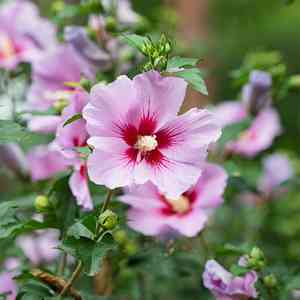
The Rose of Sharon offers continuous visual appeal through its evolving seasonal hues and textures.
2
Rose of Sharon flourishes in soil that drains effectively and benefits from ample sun exposure.
3
Trimming Rose of Sharon assists in preserving its form and promotes a greater abundance of flowers.
Introducing the Visual Charm of Rose of Sharon
Visual Impact: Enhancing Garden Hues and Textures
A primary reason gardeners select Rose of Sharon is its striking visual appeal. This plant introduces a burst of color with its vibrant flowers, establishing a captivating focal point in any garden. The texture of its leaves and the alluring shades of its blossoms help break monotony, adding depth and visual interest to your garden. The lush foliage of Rose of Sharon also complements other plants, making it a versatile addition to various garden styles.
Seasonal Beauty: Year-Round Allure in Your Landscape
Rose of Sharon isn't merely a single-season marvel; it offers continuous beauty that transforms with the seasons. In spring, buds begin to form, hinting at an upcoming burst of color. Summer brings a profusion of blooms, turning your garden into a lively sanctuary. As autumn arrives, the leaves might change color, adding a new dimension of interest. During winter, the structure of Rose of Sharon can draw the eye, especially when adorned with frost or snow.
Flowering Patterns: The Bloom Cycles of Rose of Sharon
The blooming phases of Rose of Sharon are a joy to observe. Typically, Rose of Sharon begins to flower in late summer and continues into early fall. The blossoms often open in the morning and close by nightfall, and this daily cycle can create a dynamic and ever-changing landscape. Understanding the blooming pattern of Rose of Sharon can help you plan other plantings around it, ensuring there's always something in bloom in your garden.
Optimal Planting Locations for Rose of Sharon
Choosing the Ideal Spot: Sunlight and Shade Requirements
Rose of Sharon flourishes best in a location that receives ample sunlight. For optimal growth, select a garden spot that gets at least six hours of direct sunlight daily. While Rose of Sharon can endure partial shade, full sun exposure promotes more vigorous flowering and healthy foliage. Avoid placing Rose of Sharon in fully shaded areas, as this can result in fewer blooms and weaker growth.
Soil Needs: Ensuring Proper Drainage and Nutrients
For Rose of Sharon to thrive, soil quality is paramount. This plant prefers well-drained soil rich in organic matter. Before planting, enhance your garden soil by incorporating compost or well-rotted manure. This will not only supply essential nutrients but also improve soil structure and drainage. Proper drainage is crucial to prevent root rot and other issues that can arise from waterlogged soil.
Space Planning: How Much Area Does Rose of Sharon Require?
Space planning is essential when integrating Rose of Sharon into your garden. On average, Rose of Sharon can reach heights of 8 to 12 feet and widths of 4 to 6 feet, so it needs sufficient room to spread. Ensure you plant Rose of Sharon with enough surrounding space to allow for its full development. This spacing also aids air circulation, reducing disease risk and promoting healthy growth.
Integrating Rose of Sharon into Themed Garden Designs
Cottage Garden Themes: A Perfect Match for Rose of Sharon
Rose of Sharon fits beautifully into cottage garden themes, known for their informal style and abundant plantings. The romantic and old-world charm of Rose of Sharon, with its lavish blooms and slightly wild growth habit, blends perfectly with the free-flowing design of cottage gardens. Pair Rose of Sharon with other cottage favorites like roses, lavender, and delphiniums to create a colorful and inviting space.
Modern Landscapes: Using Rose of Sharon to Create Bold Statements
Even if you prefer a modern garden design, Rose of Sharon can still be a valuable addition. Its striking flowers can serve as prominent focal points against minimalist backgrounds or within structured planting schemes. Utilizing Rose of Sharon in geometric planting arrangements or as a standalone feature can create a sophisticated and contemporary look.
Wildlife-Friendly Gardens: Attracting Pollinators with Rose of Sharon
Rose of Sharon isn't just visually appealing to humans; it's also a magnet for pollinators like bees and butterflies. Including Rose of Sharon in your garden can support local wildlife by providing a valuable nectar source. Its abundant blooms can attract a variety of pollinators, contributing to ecological balance and helping other plants in your garden flourish.
Year-Round Care Guidelines for Rose of Sharon in Landscapes
Pruning Practices: Maintaining Rose of Sharon's Health and Appearance
Pruning is vital for preserving the health and aesthetics of Rose of Sharon. Typically, pruning should occur in late winter or early spring before new growth commences. Remove any dead or damaged branches to encourage healthy development. Also, consider thinning out older branches to promote air circulation and allow more sunlight to reach the plant. Regular pruning helps Rose of Sharon maintain a tidy shape and encourages more prolific blooming.
Fertilization: Boosting Growth and Blooms
Fertilizing Rose of Sharon is an effective method to enhance its growth and flowering potential. Apply a balanced, slow-release fertilizer in early spring when new growth begins. Follow up with a second application in mid-summer to support continuous blooming. Avoid over-fertilizing, as it can lead to excessive foliage at the expense of flowers. Always adhere to the manufacturer's instructions for the appropriate amount and frequency of application.
Winter Protection: Preparing Rose of Sharon for Colder Months
Protecting Rose of Sharon during colder months is important, especially in regions with harsh winters. Apply a layer of mulch around the plant's base to insulate the roots from freezing temperatures. You may also need to wrap the plant in burlap or provide other coverings if your area experiences strong winds or extreme cold. Ensuring proper winter protection helps Rose of Sharon survive and thrive year after year.



