Enhancing Your Garden Design with the Coral bells Plant: A Landscaping Guide
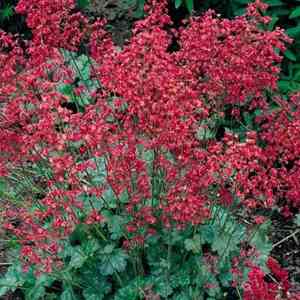
1
Heuchera prospers in locations with partial shade, making it a superb option for planting beneath trees.
2
Pairing Heuchera with plants that have different leaf textures can offer continuous aesthetic appeal throughout the year.
3
Heuchera is recognized for its richly colored leaves and dainty blooms that draw in beneficial insects.
Introducing Coral Bells into Your Garden Design
Understanding Coral Bells's Place in Garden Aesthetics
When evaluating garden options, Coral Bells presents a distinctive and adaptable selection. Recognized for its vibrant leaves and delicate flowers, Coral Bells can function as both a central feature and a complementary plant in various garden environments. It's well-suited for use in border arrangements, as ground cover, and within mixed perennial beds. The adaptability of Coral Bells permits imaginative pairings that enhance your garden's overall look, delivering both color and texture throughout the active growth period.
Coral Bells's Visual Impact in Outdoor Settings
The striking appearance of Coral Bells stems from its rich, lobed foliage, which spans colors from deep maroon to bright lime. This broad color range enables gardeners to seamlessly match or contrast Coral Bells with other plants, achieving captivating results. Moreover, Coral Bells produces dainty, bell-shaped blossoms that lend a gentle elegance to any scene. Whether featured in pots, rockeries, or as an underplanting for trees, Coral Bells provides a touch of natural splendor that elevates any outdoor space.
Optimal Placement for Coral Bells in Your Landscape
Selecting the Ideal Spot for Vitality and Beauty
Coral Bells thrives in settings offering partial shade and soil that drains well. Positioning Coral Bells in areas that receive morning sun and afternoon shade can help preserve its rich leaf coloration while preventing leaf scorch. Ensuring proper soil drainage is also vital, as Coral Bells cannot withstand waterlogged conditions. By choosing the right spot, you can enjoy healthier plants and extended bloom times, contributing to your landscape's overall allure.
Utilizing Coral Bells as Visual Anchors in Garden Layouts
Coral Bells can be strategically placed to capture attention and establish focal points within your garden. Whether at a path's entrance, surrounding a water feature, or as part of a mixed border, Coral Bells's distinctive foliage and flowers can draw the eye and provide visual interest. Grouping several Coral Bells together or pairing them with other striking plants can create a dramatic effect that highlights specific zones in your garden.
Companion Planting Coral Bells
Effective Pairings for Continuous Color
To maintain year-round visual appeal in your garden, combining Coral Bells with plants featuring different bloom times and leaf colors can be very effective. Consider integrating Coral Bells with plants like hostas, ferns, and astilbes, which flourish in similar conditions and offer contrasting textures and hues. Such combinations can ensure that while Coral Bells provides spring and summer interest, other plants contribute during fall and winter, keeping your garden vibrant throughout the year.
Achieving Balanced Textures and Heights in Your Garden
Coral Bells's texture and stature can be utilized to complement other plants, fostering a balanced and harmonious garden. By intermixing Coral Bells with taller specimens such as ornamental grasses or shrubs, and shorter ground cover plants, you can attain a layered appearance that adds depth and dimension to your garden. The key is to select plants with varied leaf shapes, sizes, and colors, creating an intricate blend of textures that enhances visual appeal.
Seasonal Care for Coral Bells in Landscaping
Year-Round Expectations for Coral Bells
Coral Bells is a perennial that offers distinct charms each season. In spring, its new foliage emerges, often showcasing bright and vibrant colors. Summer sees the plant in full bloom, with delicate flowers that attract pollinators. As autumn arrives, Coral Bells's foliage may change hue, presenting a fresh palette of colors. During winter, though the plant might die back in colder regions, its root system remains viable, ready to reappear in spring.
Seasonal Preparation and Upkeep for Coral Bells
To ensure Coral Bells thrives, consider its seasonal care requirements. In early spring, remove any dead or damaged leaves to encourage new growth. Throughout the growing season, ensure the plant is watered, especially during dry periods, but avoid over-saturating. Mulching can help retain moisture and buffer against temperature extremes. In late fall, applying a layer of mulch can protect roots from winter frost. Regularly check for pests and diseases, taking prompt action to maintain plant health.
Ecological Advantages of Incorporating Coral Bells into Your Garden
Boosting Local Biodiversity with Coral Bells
Coral Bells plays a significant role in enhancing local biodiversity. Its blooms attract a variety of pollinators, including bees and butterflies, which are crucial for the health of many ecosystems. By planting Coral Bells, you provide a food source and habitat for these beneficial insects, contributing to the overall vitality and diversity of your garden.
Coral Bells's Role in Sustainable Landscaping Practices
Coral Bells can be an excellent addition to environmentally friendly landscaping. Being relatively low-maintenance, it requires fewer chemical inputs such as fertilizers and pesticides. Its adaptability to various soil types and conditions makes it a resilient choice, reducing the need for intensive watering and soil amendments. By integrating Coral Bells into your garden, you promote sustainability and lessen the environmental impact of your landscaping efforts.



