Enhancing Your Garden Design with the Lenten rose Plant: A Landscaping Guide
1
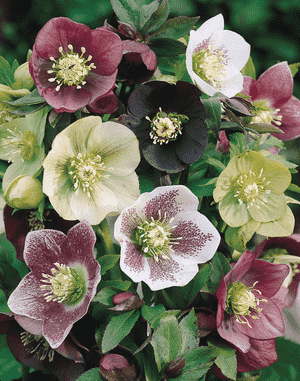
Hellebore provides continuous aesthetic appeal, flowering in late winter and early spring.
2
Ideal for diverse garden aesthetics, ranging from structured to contemporary designs.
3
Hellebore flourishes in areas with shade to partial shade, making it adaptable for various garden locations.
Why Select Hellebore for Your Outdoor Space?
Introducing Hellebore
Hellebore is a distinctive and captivating plant that offers both beauty and utility to your garden. Commonly known as Lenten rose, it's prized for its striking blooms that emerge in late winter to early spring, providing a welcome splash of color during the duller months. Its evergreen leaves ensure your garden remains vibrant and lush all year, making hellebore essential for gardeners seeking continuous visual appeal.
Key Advantages of Incorporating Hellebore into Garden Plans
There are many benefits to integrating hellebore into your garden scheme. First, its early flowering period guarantees your garden has life and color when most other plants are dormant. Additionally, hellebore is notably resilient, flourishing in shaded or partly shaded areas where other flowering plants might struggle. This adaptability makes it a versatile option for various garden environments. Moreover, hellebore can deter deer and other garden pests due to its mild toxicity, safeguarding your other plants from unwanted visitors.
Integrating Hellebore into Diverse Garden Styles
Suitability for Formal Gardens
Hellebore fits seamlessly into formal garden settings, thanks to its tidy and structured growth habit. When used in defined planting beds or along paths, it imparts an air of sophistication and order. The plant's bold and beautiful flowers can serve as elegant seasonal accents, contrasting well with its evergreen foliage. This makes hellebore an excellent specimen plant around which to design a formal garden layout.
Enhancing Cottage Gardens
Cottage gardens greatly benefit from the inclusion of hellebore. Its charming flowers and abundant foliage provide a relaxed, natural look characteristic of this garden style. Hellebore can be used to fill spaces between other perennials, ensuring year-round interest. The plant's soft color palette complements the informal, whimsical nature of cottage gardens, making it a perfect addition for gardeners who prefer a more relaxed aesthetic.
Modern Landscapes and Hellebore
For modern landscapes, hellebore can offer a striking contrast to sleek, minimalist designs. Its vibrant blooms and textured leaves can soften the sharp edges often found in contemporary spaces. When planted in geometric beds or alongside black or steel structural elements, hellebore brings warmth and vitality to stark modern designs. Its adaptability makes it ideal for bridging the gap between nature and modern architecture.
Strategic Placement of Hellebore for Maximum Impact
Highlighting Paths and Walkways
Using hellebore to border paths and walkways in your garden can create a stunning visual route that guides the eye and foot. Its evergreen foliage offers year-round appeal, while seasonal flowers provide bursts of color. Planting hellebore along garden paths not only enhances aesthetic beauty but also provides a sensory experience as visitors stroll through, enjoying the display up close.
Creating Garden Focal Points
Hellebore can be strategically positioned to establish prominent focal points in your garden. Whether planted individually in a container or grouped in a mass planting, the plant's distinctive flowers and lush foliage draw attention and create a centerpiece that captivates visitors. By placing hellebore in key locations, such as the entrance or the center of a garden bed, you ensure it becomes a visual highlight of your landscape.
Underplanting Techniques with Shrubs and Trees
Underplanting with hellebore is a clever method to utilize shaded areas beneath trees and large shrubs. Since hellebore thrives in shaded and partially shaded conditions, it complements larger plants by filling the lower canopy with its beautiful foliage and flowers. This not only optimizes garden space but also adds depth and layering to your garden design. Pairing hellebore with deciduous trees can also enhance seasonal interest in your garden.
Seasonal Considerations for Hellebore
Optimal Times to Plant Hellebore
The best times to plant hellebore are during autumn or early spring. Planting in autumn allows the plant to establish its root system before winter, ensuring a strong start in spring. Similarly, early spring planting gives hellebore the entire growing season to settle and thrive. Ensuring proper planting times enhances the plant's overall health and growth, providing a robust and vibrant addition to your garden.
Year-Round Visual Appeal
One of hellebore's key features is its continuous visual appeal. Its evergreen foliage remains vibrant throughout the year, offering a constant green backdrop to your garden. In late winter and early spring, hellebore produces stunning early blooms, adding much-needed color after the long winter months. This combination ensures your garden has something attractive to offer regardless of the season, making hellebore a valuable plant for maintaining continuous beauty in your landscape.



