Enhancing Your Garden Design with the Stinking hellebore Plant: A Landscaping Guide
1
Helleborus foetidus provides lively foliage and distinct architectural features, making it ideal for diverse garden layouts.
2
Thoughtful placement of Helleborus foetidus can establish striking central points across your outdoor space.
3
Yearly upkeep and tending to Helleborus foetidus guarantee its enduring visual charm.
Exploring the Distinctive Qualities of Stinking Hellebore
Height and Structural Characteristics
When integrating Stinking hellebore into your garden design, grasping its stature and physical attributes is vital. This plant typically attains a height of 18 to 24 inches, positioning it perfectly for middle-tier garden arrangements. Its stems are robust and often branched, presenting a sturdy and full appearance. This inherent structure allows it to stand out even when not flowering, adding texture and form to your garden's overall aesthetic.
Seasonal Progression and Flowering Period
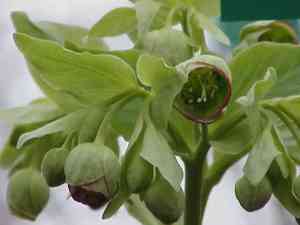
The seasonal shifts and bloom time of Stinking hellebore introduce dynamic interest to your garden. This species generally flowers from late winter to early spring, providing a burst of color when most other flora remains dormant. Its blossoms are typically bell-shaped and greenish with hints of purple or pink, gradually intensifying in hue as the season advances. This trait not only brings seasonal vibrancy to your garden but also attracts early pollinators, contributing to the garden's ecological well-being.
Color Scheme and Visual Allure
Stinking hellebore is renowned for its distinctive color palette and visual charm. Its foliage is a deep, lustrous green, offering an excellent backdrop for its more subtly colored blooms. The greenish flowers with their purplish edges create a visually striking contrast, making Stinking hellebore a prominent feature in any garden plan. This color combination complements both vivid and muted garden color schemes, allowing for flexible application in diverse landscaping styles.
Strategic Placement of Stinking Hellebore in Garden Designs
Establishing Focal Points with Stinking Hellebore
Creating focal points in your garden using Stinking hellebore is an excellent method to draw attention and enhance various areas. Given its unique leaves and early flowering, Stinking hellebore can serve as a captivating centerpiece in a garden bed. Positioning it in prominent spots such as the entry to a garden path or near outdoor seating can establish visual anchors that guide the observer's gaze. For a more dramatic impact, ensure you plant Stinking hellebore in clusters of three or more.
Companion Plants: Discovering Ideal Neighbors
Identifying the perfect plant companions for Stinking hellebore can further accentuate its beauty. Consider pairing it with plants that have different bloom times and complementary foliage. Early spring bulbs like crocuses and snowdrops can enhance Stinking hellebore's initial blooms, while summer perennials such as hostas and ferns can assume prominence as Stinking hellebore enters dormancy. Ensuring a staggered flowering schedule will keep your garden looking vibrant throughout the seasons.
Utilizing Stinking Hellebore for Borders and Edges
Stinking hellebore is also effective when employed for borders and edges in garden landscaping. Its height and dense foliage create a natural barrier and can be used to delineate garden beds or pathways. The plant's evergreen nature means it can provide year-round structure and appeal, even during colder months when many other plants have receded. Using Stinking hellebore in this manner can impart a sense of order and coherence to your garden design.
Seasonal Considerations for Stinking Hellebore in Landscaping
Optimal Planting Times for Stinking Hellebore
The ideal period to plant Stinking hellebore is in the autumn or early spring, allowing the plant ample time to establish its root system before the extreme temperatures of winter or summer arrive. Planting during these cooler, wetter months can help minimize transplant shock and give Stinking hellebore a strong start in your garden. Be sure to select a location with well-drained soil and partial to full shade to emulate its natural woodland environment.
Preparing for Inactive Periods
Preparing for inactive periods is crucial for the long-term vitality of Stinking hellebore. As the plant enters dormancy after blooming, reducing irrigation and ceasing fertilization helps it rest. Applying mulch around the base can help maintain soil moisture levels and shield the roots from temperature extremes. By understanding its natural life cycle, you can better meet its needs and enjoy its distinctive beauty year after year.
Adaptations for Climatic Variations
Adjusting for climatic variations is vital when tending to Stinking hellebore. In regions with harsher winters, consider heavy mulching and providing some form of winter protection. Conversely, in warmer climates, ensuring sufficient shade and consistent moisture can help Stinking hellebore flourish. Different areas may present unique challenges, but with appropriate care modifications, Stinking hellebore can adapt and thrive in various environments.
Preserving the Aesthetic Appeal of Stinking Hellebore
Regular Monitoring and Minor Adjustments
Consistent observation and small adjustments are essential for maintaining the visual appeal of Stinking hellebore. Periodically check for any indications of pests or diseases and address them promptly to prevent their spread. Minor adjustments like slightly rotating the plant for even sunlight exposure or deadheading spent flowers can significantly impact how Stinking hellebore appears throughout the year. Diligent care will ensure your garden remains vibrant and healthy.
Seasonal Trimming Techniques
Effective seasonal trimming methods can enhance Stinking hellebore's visual charm and health. Remove dead or damaged stems in early spring before new growth emerges. After the flowering period, cutting back the flower stalks can redirect the plant's energy towards root development. Pruning helps maintain a tidy appearance and encourages robust growth in the subsequent season.
Balancing Growth and Garden Space
Balancing growth and space in your garden ensures that Stinking hellebore and its neighboring plants have ample room to thrive. Monitor the plant's spread and, if necessary, divide clumps every few years to prevent overcrowding. This practice not only revitalizes Stinking hellebore but also provides you with additional plants to expand your garden or share with other gardening enthusiasts. Maintaining a balanced garden space helps all plants to flourish harmoniously.



