Enhancing Your Garden Design with the Parrot's beak Plant: A Landscaping Guide
1
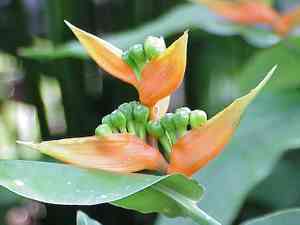
Parrot's beak flourishes in hot, humid climates, ideal for creating an exotic garden ambiance.
2
Boasting a distinctive look, Parrot's beak can act as a central feature in any landscape plan.
3
Consistent care, such as adequate hydration and pest control, guarantees Parrot's beak stays lively and robust.
Introducing Parrot's Beak in Garden Design
Overview of Parrot's Beak as a landscaping option
Selecting Parrot's Beak for your garden can introduce a distinctive and tropical ambiance to your outdoor space. This plant, recognized for its vibrant and exotic look, is an excellent choice for gardeners aiming to establish a captivating centerpiece. Whether you desire a lush, tropical garden or simply wish to add a burst of color, Parrot's Beak can fulfill various roles in diverse landscapes.
The unique visual appeal of Parrot's Beak
Parrot's Beak is celebrated for its striking blossoms and intense hues. The plant's elongated, slender stems and dramatic flower clusters can infuse a touch of the tropics into any garden. The bright shades of Parrot's Beak's flowers can span from fiery reds and oranges to yellow tones, creating a lively visual spectacle that captures attention and adds dynamic interest to garden areas.
Popular regions for cultivating Parrot's Beak
This adaptable plant flourishes in warm, tropical climates and is especially favored in areas with consistent humidity and warmth. From coastal zones to sun-drenched gardens in tropical and subtropical regions, Parrot's Beak is ideal for locations that offer natural warmth and moisture. However, with proper care and conditions, it can also be grown in greenhouses or as a potted plant in other areas.
Designing Your Garden with Parrot's Beak
Beginning with a layout plan
Before integrating Parrot's Beak into your garden, it's crucial to have a clear design strategy. Consider your garden's size and available space to determine the optimal placement for Parrot's Beak. Planning your garden layout helps ensure that Parrot's Beak enhances the overall aesthetic rather than dominating the area. Sketching a plan can assist in visualizing placement and guaranteeing ample room for growth.
Complementing Parrot's Beak with other plants
To amplify your garden's beauty, combine Parrot's Beak with other plants that complement its vivid colors and tropical feel. Consider utilizing plants with varied textures and heights to achieve a balanced and harmonious look. Ferns, palms, and other tropical foliage can make Parrot's Beak stand out while creating a lush, multi-dimensional garden. Coordinate colors and forms to develop an aesthetically pleasing garden design.
Choosing the optimal location for Parrot's Beak
Selecting the perfect spot for planting Parrot's Beak is vital. Seek out areas with abundant sunlight and well-draining soil. As Parrot's Beak prefers warm, humid conditions, positioning it in a location that receives adequate sunlight will promote its growth. Ensure the soil is enriched with organic matter to supply necessary nutrients. If you reside in a cooler climate, consider planting Parrot's Beak in containers so they can be moved indoors during colder periods.
Maintenance Guidelines for Parrot's Beak in Your Garden
Seasonal care for Parrot's Beak
Caring for Parrot's Beak involves understanding its requirements throughout different seasons. During the active growth period, consistent watering and fertilization are important to support healthy development. In colder months, if Parrot's Beak is grown in containers, it should be brought indoors to shield it from frost. Seasonal trimming may also be necessary to encourage new growth and maintain a tidy appearance.
Watering and soil requirements
Parrot's Beak thrives in consistently moist, well-drained soil. Regular irrigation ensures the soil remains uniformly damp, but be careful to prevent waterlogging, which can lead to root rot. Incorporate compost or organic material into the soil to improve its drainage and fertility. Mulching around the plant's base can help retain moisture and keep the roots cool.
Managing pests and diseases
Regularly inspect Parrot's Beak for indications of pests and diseases. Common issues can include aphids, spider mites, and fungal infections. If detected early, many of these problems can be addressed with organic treatments or insecticidal soaps. Ensuring good air circulation and avoiding excessive watering can also prevent disease. Pruning affected areas and maintaining overall plant health are crucial for minimizing pest and disease impact.
Creative Applications of Parrot's Beak in Landscape Design
Integrating Parrot's Beak into themed gardens
Incorporate Parrot's Beak into various garden themes to create visually appealing and thematic spaces. For a tropical garden, pair Parrot's Beak with other exotic plants to simulate a rainforest environment. In a Zen or modern garden, Parrot's Beak can serve as a striking focal point amidst more minimalist design elements. Its adaptability allows it to seamlessly fit into multiple garden themes, adding unique character.
Utilizing Parrot's Beak for color and texture contrast
Harness the vibrant colors and distinct textures of Parrot's Beak to create striking contrasts within your garden. Use Parrot's Beak against a backdrop of green foliage or monochromatic planting arrangements to make its colors stand out. The plant's structural form can also introduce texture variation, providing a dynamic visual experience in your landscape design.
Examples of stunning Parrot's Beak garden displays
There are numerous examples of gardens where Parrot's Beak excels. Some gardens use Parrot's Beak in large groupings for a bold, dramatic effect, while others strategically place them for subtle elegance. Visit botanical gardens or seek inspiration online to observe how Parrot's Beak can transform a landscape. These examples can offer ideas and motivation for your garden design projects.



