Enhancing Your Garden Design with the Prairie Sunflower Plant: A Landscaping Guide
1
Prairie Sunflower adapts well to diverse soil conditions, offering flexibility for various environments.
2
Beyond enhancing your garden's aesthetics, Prairie Sunflower boosts local wildlife by drawing in pollinators.
3
Prairie Sunflower needs little upkeep, making it perfect for both new and seasoned gardeners.
Introducing Prairie Sunflower in Garden Design
Key features of Prairie Sunflower
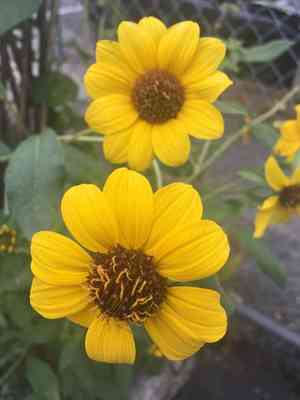
Prairie Sunflower is known for its bright yellow blooms and robust, tall stems. This perennial can grow several feet high, making it a striking garden feature. It resists drought and flourishes in various climates, from mild to arid. Its rough-textured, elongated leaves also add visual interest to your landscape's overall look.
Popularity and typical landscape applications
Prairie Sunflower is a favored choice for gardeners and designers due to its versatility and beauty. Its vivid flowers can form stunning borders, act as background plants, or create attractive natural screens. This plant is often used in prairie-style gardens, wildflower areas, and ecological restoration projects because of its resilience and low maintenance.
Advantages of Including Prairie Sunflower in Garden Plans
Improving visual appeal
Adding Prairie Sunflower to your garden scheme can significantly boost your outdoor area's visual charm. Its vibrant yellow blossoms and height provide vertical interest and a burst of color that can brighten any setting. Whether used as a focal point or mixed with other plants, Prairie Sunflower offers a cheerful, dynamic look that evolves with the seasons.
Contributing to biodiversity
Prairie Sunflower significantly aids local biodiversity. Its flowers attract various pollinators, including bees, butterflies, and birds, which are crucial for a healthy garden ecosystem. By planting Prairie Sunflower, you create a habitat supporting these vital species, fostering ecological balance and sustainability in your garden environment.
Adaptability and minimal upkeep
A major benefit of Prairie Sunflower is its adaptability and low maintenance needs. It can grow in diverse soil types, including sandy and clay, and tolerates drought once established. This makes Prairie Sunflower an excellent option for gardeners seeking a resilient plant that requires little intervention, allowing more time to enjoy your garden without extensive care.
Creative Uses for Prairie Sunflower in Landscape Projects
Combining with other plant varieties
Prairie Sunflower can be effectively paired with other plant species to create visually appealing and ecologically balanced garden designs. Combine it with grasses, perennials, and other native plants to enhance texture and variety. This integration not only adds aesthetic diversity but also promotes a more robust and resilient garden ecosystem.
Establishing focal points in garden areas
If you aim for a strong visual impact, Prairie Sunflower can serve as a garden focal point. Planting it strategically, such as in the center of a flowerbed or along paths, draws attention and adds a striking element that can anchor the overall design. Its height and color make it an excellent choice for creating visually dynamic landscapes.
Using Prairie Sunflower in sustainable landscaping
Incorporating Prairie Sunflower into sustainable landscaping practices is a practical and environmentally friendly decision. Its low water needs and ability to thrive in poor soils make it suitable for xeriscaping and other water-saving landscape designs. Additionally, by choosing native plants like Prairie Sunflower, you support local wildlife and reduce the need for chemical fertilizers and pesticides, fostering a healthier garden environment.
Challenges and Solutions for Prairie Sunflower in Landscaping
Managing growth and spread
While Prairie Sunflower is a robust and vigorous grower, controlling its spread can be challenging in some gardens. To prevent it from dominating other plants, consider careful planning and regular upkeep. Pruning and deadheading can help manage its growth and encourage healthy blooms. Additionally, using barriers or planting in containers can effectively control its spread.
Seasonal considerations for peak performance
To achieve optimal performance from Prairie Sunflower, seasonal factors are important. Planting it in the correct season, typically spring or early fall, ensures it has ample time to establish before extreme weather. Additionally, mulching in late fall can protect roots during harsh winters and promote healthy growth in spring.
Future Trends: Prairie Sunflower's Role in Modern Landscapes
Emerging trends in landscape design featuring Prairie Sunflower
As sustainable and native landscaping practices gain traction, Prairie Sunflower is becoming a favorite in modern landscape designs. Its natural beauty and ecological benefits align well with current trends emphasizing environmental responsibility and biodiversity. Landscape architects and gardeners are increasingly incorporating Prairie Sunflower into their designs to create attractive and eco-conscious outdoor spaces.
How Prairie Sunflower influences eco-friendly landscaping
Prairie Sunflower is crucial in the shift towards eco-friendly landscaping. Its adaptability to low-water environments and minimal care needs make it ideal for sustainable garden designs. By promoting Prairie Sunflower, gardeners and designers encourage practices that reduce water use, enhance biodiversity, and minimize synthetic inputs, leading to healthier, more sustainable landscapes.



