Enhancing Your Garden Design with the English ivy Plant: A Landscaping Guide
1
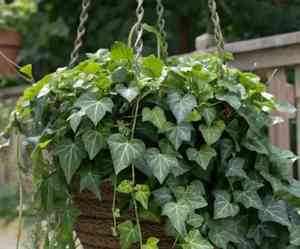
English ivy is adaptable, serving as both a ground cover and a climbing plant.
2
Select a spot with moderate to deep shade for English ivy to thrive best.
3
Consistent trimming is crucial to manage English ivy's spread and encourage robust development.
Introducing English ivy to Your Garden
Understanding the Growth Patterns of English ivy
To successfully integrate English ivy into your outdoor design, it's vital to grasp its growth habits. English ivy is known for its robust growth and can spread both upward and outward. As a climbing vine, it can reach heights of up to 100 feet, attaching to surfaces and structures using its aerial rootlets. When utilized as ground cover, English ivy forms dense mats that effectively suppress weeds and provide a lush, green carpet for your garden. Comprehending these growth patterns will aid in planning the placement and care of English ivy.
Selecting the Right Location for Planting
Choosing the optimal spot for planting English ivy is critical for its well-being and visual appeal. Ideally, English ivy flourishes in areas with partial to full shade, though it can endure some direct sunlight. The plant prefers well-drained soil rich in organic matter. When selecting a location, consider the plant's growth tendency - whether as a climber or ground cover - and ensure it has ample room to expand. Avoid planting too close to trees or structures you don't want it to ascend, as English ivy can be quite assertive once established.
Complementing Plants to Pair with English ivy
Pairing English ivy with suitable plants can enhance your garden's aesthetic and create a unified landscape design. Consider shade-loving perennials like hostas, ferns, and heucheras that complement the dense, green foliage of English ivy. Ornamental grasses and flowering plants such as astilbes or impatiens can also introduce color and texture to your garden, creating beautiful contrasts with English ivy. When selecting companion plants, choose those that thrive in similar conditions (partial to full shade and well-drained, organic-rich soil) to ensure a harmonious growing environment.
Design Ideas Using English ivy in Landscaping
Creating Vertical Statements with English ivy
One impactful way to utilize English ivy in your landscape design is by establishing vertical accents. Whether you have walls, trellises, arbors, or fences, English ivy can transform these structures into verdant, green coverings. When training English ivy to climb, providing initial support and guidance is crucial. Gently attach the vines to the structure with garden ties until they secure a strong hold with their rootlets. This climbing habit not only adds visual interest to your garden but also helps conceal unattractive structures, turning them into beautiful garden features.
Ground Covering with English ivy: Strategies and Tips
English ivy serves as an effective ground cover, particularly in shaded areas where other plants might struggle. To use English ivy as ground cover, plant the ivy approximately 18-24 inches apart and allow it to naturally fill the spaces. This spacing helps achieve thick, lush coverage more rapidly. Regularly monitor its growth, trimming it back if it begins to encroach on undesired areas. Keep an eye on the soil conditions, ensuring it remains well-drained but moist, to encourage vigorous growth.
Using English ivy for Privacy and Boundaries
English ivy is an excellent option for establishing natural privacy screens and defining borders in your landscape. By planting English ivy along fences or property lines, you can cultivate a living barrier that offers both privacy and aesthetic appeal. These natural screens can help shield your garden from wind and noise while providing a habitat for local wildlife. When employing English ivy for boundaries, consistent maintenance is vital to ensure the vines do not invade neighboring properties or unwanted areas, maintaining a neat and controlled appearance.
Maintenance Tips for English ivy in Your Landscape
Regular Pruning and Training of English ivy
Consistent pruning is essential to keep English ivy manageable and healthy. Without adequate attention, English ivy can grow aggressively, potentially overwhelming other plants or structures. Aim to prune English ivy in early spring before new growth commences. Focus on removing dead or damaged leaves and stems, and trim back any sections that have extended beyond their designated areas. For ivies climbing on structures, prune to maintain the desired shape and prevent excessive coverage. Regular pruning promotes healthy growth and keeps your English ivy looking its best.
Seasonal Considerations for English ivy
Understanding the seasonal requirements of English ivy will help ensure its vitality throughout the year. In spring and summer, prioritize regular watering, especially during dry periods, to support active growth. During autumn, continue monitoring growth and perform any necessary pruning. Winter months typically demand less upkeep, but it's crucial to ensure the plant is protected from severe cold snaps, particularly in its initial years. Mulching around the base can help insulate roots from extreme temperatures.
Managing Pests and Diseases in English ivy
English ivy is generally robust, but it can occasionally succumb to pests and diseases. Common pests include spider mites, aphids, and scale insects. Regular inspection and the application of insecticidal soap or neem oil can help control these pests. English ivy may also experience fungal diseases, such as root rot or leaf spot, especially in poorly drained soils. Ensuring proper drainage and avoiding overhead watering can mitigate these issues. Consistent monitoring and prompt intervention are key to keeping your English ivy thriving.



