Enhancing Your Garden Design with the Persian ivy Plant: A Landscaping Guide
1
Persian ivy contributes a classic visual charm to any garden layout.
2
Strategic positioning and upkeep of Persian ivy can enhance its aesthetic effect.
3
Persian ivy needs attentive seasonal tending to preserve its attractiveness throughout the year.
Grasping the Visual Effect of Persian Ivy
Its Allure: Why Persian Ivy is a Landscaping Favorite
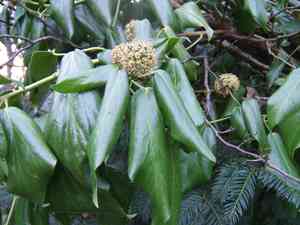
In landscaping, Persian ivy's visual appeal is undeniable. Its rich, green foliage creates a sense of abundance and calm that is hard to match. The broad, shiny leaves of Persian ivy beautifully reflect light, making it a stunning addition to any garden. Its ability to grow both vertically and horizontally means it can be used in various parts of your landscape to create a unified and attractive design. Whether you're aiming for a classic, formal garden or a more relaxed, natural look, Persian ivy adapts well to multiple styles.
Shade and Texture: How Persian Ivy Enhances Various Garden Styles
One reason Persian ivy is so popular in landscaping is its capacity to complement diverse garden styles with its vibrant color and rich texture. Its deep green leaves can offer a striking contrast to brightly colored flowers, while its dense foliage helps add texture and depth to your garden. In more modern or minimalist settings, Persian ivy's uniform texture and color can create a sleek and clean appearance. Additionally, its adaptability makes it a versatile choice, seamlessly integrating into a wide range of garden designs, from rustic to contemporary.
Seasonal Shifts: Capturing Persian Ivy's Year-Round Splendor
Another significant benefit of incorporating Persian ivy into your landscape design is its consistent beauty throughout the year. Unlike some plants that only thrive in one season, Persian ivy maintains its lush, green appearance all year. In autumn, its foliage provides a lovely contrast to the changing colors of deciduous trees. During winter, it retains its greenery, offering visual interest even when other plants have shed their leaves. The steady presence of Persian ivy ensures your garden remains attractive and engaging, regardless of the season.
Integrating Persian Ivy into Your Landscape Design
Placement Strategies: Optimal Locations for Persian Ivy's Impact
Selecting the correct spot for Persian ivy in your garden is vital for maximizing its visual effect. Consider planting it along fences, trellises, or walls to establish a striking vertical garden. Persian ivy can also serve as ground cover to fill empty areas and add a layer of greenery to your landscape. When planting Persian ivy, ensure it has ample room to grow and spread while considering its light requirements. While generally robust, Persian ivy thrives best in partial to full shade, making it an excellent choice for shaded garden areas where other plants might struggle.
Companion Planting: Ideal Partners for Persian Ivy in Your Garden
Pairing Persian ivy with suitable companion plants can boost the overall aesthetics and health of your garden. Consider combining Persian ivy with flowering plants like roses or hydrangeas, which can add bursts of color against the green backdrop of Persian ivy. Similarly, early spring bulbs like daffodils can create a beautiful contrast with Persian ivy's evergreen leaves. Additionally, using Persian ivy with other evergreen shrubs or trees can create a layered and textured look that adds depth to your landscape. The key is to choose plants that complement Persian ivy in terms of color, texture, and growth habits.
Scaling and Spacing: Harmonizing Persian Ivy with Other Elements
When integrating Persian ivy into your landscape, it's crucial to balance it with other elements to create a cohesive design. While Persian ivy is a vigorous grower, proper scaling and spacing are essential to prevent it from overwhelming other plants. Consider using it to frame pathways or create natural borders while ensuring it doesn't overshadow smaller plants. Regular pruning can help maintain its shape and balance it within your garden's overall design. The goal is to use Persian ivy as a unifying element that connects different parts of your landscape without dominating them.
Care Guidelines for Persian Ivy in Landscaping
Pruning and Shaping: Keeping Persian Ivy at Its Best
Maintaining Persian ivy's pristine look involves consistent pruning and shaping. This helps manage its growth, prevents it from becoming unruly, and ensures it blends well with other plants. The optimal time to prune Persian ivy is in early spring before new growth begins. Removing any dead or damaged leaves not only enhances its appearance but also promotes healthier growth. Shaping Persian ivy can help guide its growth along trellises or fences, creating a more structured and aesthetically pleasing look in your garden.
Seasonal Care: Preparing Persian Ivy for Varying Weather
Like all plants, Persian ivy needs specific care to flourish through different seasons. In summer, ensure it receives sufficient water, especially during dry periods. Mulching around the base can help retain moisture and protect the roots. During winter, Persian ivy is generally hardy, but younger plants may require some protection from extreme cold. A layer of mulch can provide extra insulation. Regularly check for pests and diseases, and treat them promptly to keep Persian ivy healthy year-round. Adapting your care routine to the changing seasons will ensure Persian ivy remains an attractive feature in your garden throughout the year.
Longevity Advice: Ensuring Persian Ivy's Health and Durability
To ensure Persian ivy's longevity in your landscape, it is vital to provide consistent care and monitor its health regularly. Avoid overwatering, as this can lead to root rot and other issues. Fertilize Persian ivy annually in early spring with a balanced, slow-release fertilizer to promote strong growth. Regularly inspect the plant for signs of stress, such as yellowing leaves or slow growth, and address any issues promptly. By providing the right conditions and care, you can enjoy the beauty of Persian ivy in your garden for many years to come.



