Enhancing Your Garden Design with the Algerian ivy Plant: A Landscaping Guide
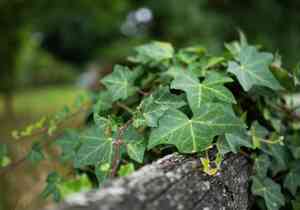
1
Hedera algeriensis shows remarkable flexibility across different weather conditions, offering a highly adaptable option for horticulturists.
2
Its consistent attractive appearance throughout the year establishes Algerian ivy as a preferred choice for sustaining appealing outdoor spaces continuously.
3
Consistent upkeep is essential for ensuring Algerian ivy remains robust and flourishes within your garden setting.
Exploring the Versatility of Algerian Ivy in Landscape Design
Adaptability to diverse climates and environments
A prominent characteristic of Algerian ivy is its remarkable flexibility. Whether facing intense heat or cold winters, Algerian ivy thrives, making it an excellent choice for various regions. This resilience means you'll have less concern about temperature fluctuations affecting your plant. Additionally, Algerian ivy can adapt to different soil types, though it prospers best in well-drained, moderately fertile ground. From coastal zones to inland gardens, Algerian ivy's adaptability allows it to integrate smoothly into diverse landscapes.
Year-round visual appeal and foliage
Maintaining continuous beauty in your garden can be difficult, but Algerian ivy offers a solution with its persistent leaves. Unlike other plants that might shed their foliage during certain seasons, Algerian ivy stays lush and green all year. This consistency not only contributes to a perpetually attractive garden aesthetic but also provides evergreen coverage that enhances privacy and offers a rich backdrop for seasonal blooms and other plantings. Its vibrant green leaves can inject a sense of vitality and energy, even during the less colorful winter months.
Effortless integration into various landscape styles
Regardless of your landscape style—be it contemporary, cottage, Mediterranean, or an eclectic mix—Algerian ivy can seamlessly integrate. It offers a flexible aesthetic that complements diverse garden designs. For instance, in modern gardens, Algerian ivy can be utilized to cover unattractive walls, adding a natural element to clean lines. In traditional settings, its trailing vines enhance structures like pergolas, fences, and trellises. The plant's naturally flowing form helps soften harsh edges, creating a balanced visual effect that improves overall landscape harmony.
Incorporating Algerian Ivy in Outdoor Areas: Algerian Ivy as a Focal Point
Creating striking contrasts with hardscape elements
One of the most effective ways to highlight Algerian ivy is by contrasting it with hardscape features such as stone walls, brick pathways, or wooden fences. The luxuriant, green foliage of Algerian ivy juxtaposed with the rigid textures and neutral tones of these materials creates a visually compelling contrast. This approach not only accentuates the beauty of Algerian ivy but also adds a natural softness that balances the stiffness of hardscape elements. Whether it's gracefully cascading down a retaining wall or intertwining through a wrought iron fence, Algerian ivy can significantly boost the visual interest of your landscape.
Suggestions for using Algerian ivy in entryways, patios, or along paths
Entryways, patios, and pathways are crucial areas that can define the mood of your entire garden. Incorporating Algerian ivy in these spaces can establish inviting and visually pleasing environments. Consider using Algerian ivy to frame your entryway, creating a lush and welcoming entrance. On patios, Algerian ivy can be cultivated in containers or allowed to trail along railings, adding greenery to your outdoor seating areas. Along pathways, it can serve as a charming ground cover or a trailing border plant, guiding visitors and adding a touch of elegance as they traverse your garden.
Advantages of Algerian Ivy for Erosion Control and Ground Cover
How Algerian ivy aids in preventing soil erosion
Erosion control is a critical aspect of landscape management, particularly on slopes or in areas with loose soil. Algerian ivy proves remarkably effective in this role due to its dense root system, which binds the soil together, mitigating the risk of erosion. Its spreading growth habit enables it to quickly cover large areas, providing a stable, protective layer over the soil. By preventing soil displacement, Algerian ivy not only preserves the structural integrity of your landscape but also helps retain vital nutrients in the soil, fostering overall garden health.
Coverage and growth characteristics that suppress weeds
An additional benefit of utilizing Algerian ivy as ground cover is its capacity to inhibit weed growth. Its dense foliage forms a thick mat that blocks sunlight from reaching the soil, making it challenging for weeds to germinate and thrive. This natural weed suppression lessens the need for chemical herbicides and reduces maintenance efforts. Algerian ivy's rapid growth means it can establish quickly, outcompeting many common weeds and maintaining a neat, low-maintenance landscape.
Maintenance Advice for Healthy Algerian Ivy in Your Garden
Routine care practices for optimal growth
Caring for Algerian ivy is relatively simple, thanks to its robust nature. Regular watering, especially during dry spells, ensures it remains lush and healthy. While Algerian ivy is fairly drought-tolerant, consistent moisture promotes more vigorous growth. Pruning is another essential practice; trimming back overgrown vines encourages more compact and bushy development. Additionally, fertilizing Algerian ivy with a balanced product at the start of the growing season supplies the necessary nutrients for strong development.
Common challenges and effective solutions
Despite its resilient nature, Algerian ivy can encounter a few issues. Pests such as aphids or spider mites can occasionally become a problem. Combat these by spraying the plants with neem oil or a mild insecticidal soap. Excessive watering can lead to root rot, so ensuring proper drainage is crucial. If your Algerian ivy appears leggy or sparse, it might indicate a need for more sunlight; relocating the plant to a sunnier spot can help. Addressing these problems promptly ensures your Algerian ivy stays healthy and vibrant.
Design Concepts: Pairing Algerian Ivy with Other Plants
Complementary plant species for co-planting
Pairing Algerian ivy with other plants can create striking multi-layered garden beds. Consider companion plants like ferns, hostas, or even flowering perennials such as daylilies that can highlight the rich greenery of Algerian ivy. These plants not only offer visual diversity but also flourish in similar conditions, making them ideal partners. The key is to select plants with contrasting textures and growth habits to achieve a more dynamic and visually appealing landscape.
Color and texture combinations to consider
Creating beautiful plant combinations involves experimenting with color and texture. The deep green, glossy leaves of Algerian ivy contrast wonderfully with the silvery foliage of plants like lamb's ear or the delicate, feathery leaves of ornamental grasses. For vivid color contrasts, consider planting colorful annuals or perennials interspersed with Algerian ivy. Flowers like begonias, impatiens, or even spring bulbs can add vibrant splashes of color that stand out against Algerian ivy's lush backdrop, making your garden both visually stimulating and harmonious.



