Enhancing Your Garden Design with the Haworthia viscosa Plant: A Landscaping Guide
1
Select a bright location with soil that drains effectively for the best development of Haworthia viscosa.
2
Accompanying plants can improve the aesthetic charm of Haworthia viscosa in your landscape.
3
Consistent upkeep guarantees Haworthia viscosa remains robust and lively throughout the year.
Understanding the Unique Features of Haworthia viscosa
Identify the distinctive visual characteristics of Haworthia viscosa
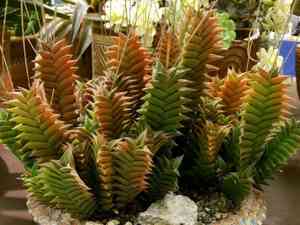
The most notable attribute of Haworthia viscosa is its arrangement of thick, triangular leaves forming a distinct spiral rosette. These leaves are frequently dark green with a striking texture, giving them a rough appearance, which adds a unique visual element to any setting. Envision a plant that stands out for its architectural shape â thatâs Haworthia viscosa bringing structural elegance to your garden.
Discuss the typical growth pattern of Haworthia viscosa
Haworthia viscosa develops in a compact rosette structure and typically stays close to the ground, not exceeding 6-8 inches in height. This gradual and consistent growth makes it an excellent option for rock gardens or as an edging plant. Over time, it produces small offsets, or 'pups,' which can be propagated to form a dense cluster or spread to other areas of the garden.
Choosing the Ideal Location for Haworthia viscosa in Your Garden
Analyze sunlight requirements for optimal growth
Haworthia viscosa thrives in bright, indirect light. While it can endure partial shade, it truly flourishes with ample illumination, making it a perfect candidate for sunnier spots in your garden. However, be wary of intense afternoon sun in hotter climates, which can cause leaf scorching or discoloration.
Evaluate soil types and drainage needs
Selecting well-draining soil is vital for Haworthia viscosa because waterlogged conditions can lead to root rot. Sandy or gritty soil types are ideal, and you might consider incorporating perlite or coarse sand to enhance drainage if your garden soil retains too much moisture. Raised beds or rockeries can also improve drainage, ensuring this succulent remains healthy and vibrant.
Integrating Haworthia viscosa with Other Plants
Choosing companion plants that complement Haworthia viscosa
Companion planting can significantly enhance your garden's aesthetic. Plants like Echeveria, Sedum, or even ornamental grasses pair well with Haworthia viscosa, creating a visually appealing contrast. Consider adding some vibrant flowering plants like Gazania or Ice Plant for a striking combination that highlights Haworthia viscosa's unique foliage.
Understanding spacing and layout for harmony between plants
Incorporating Haworthia viscosa into your garden design requires careful planning regarding spacing and arrangement. Given Haworthia viscosa's modest growth, placing them approximately 8-10 inches apart from each other and other plants ensures adequate air circulation and room for development. Grouping Haworthia viscosa in clusters can amplify its visual impact while maintaining balance with neighboring plants.
Year-Round Maintenance Tips for Haworthia viscosa
Seasonal care checklists for Haworthia viscosa
To keep Haworthia viscosa thriving throughout the year, it's essential to follow a seasonal care routine. In spring and summer, ensure it receives enough water to support its growth, but allow the soil to dry out between waterings. Autumn and winter necessitate reduced watering, as the plant's growth slows. Monitor cold weather, and if needed, bring potted plants indoors or provide frost protection.
Quick troubleshooting for common issues
Despite its hardiness, Haworthia viscosa can occasionally encounter problems such as pests or root rot. Aphids and mealybugs can be managed with insecticidal soap or neem oil. Root rot often results from overwatering or poor drainage. Regularly check soil moisture and root health to prevent such issues. If rot is detected, trimming affected roots and replanting in fresh soil can save the plant.
Creative Design Ideas Using Haworthia viscosa
Incorporating Haworthia viscosa in rock gardens
Haworthia viscosa is an excellent choice for rock gardens due to its rugged texture and adaptability to well-draining, rocky soils. Arrange Haworthia viscosa alongside various succulents and alpine plants to create a low-maintenance, visually captivating garden space. Consider using large stones or gravel mulch to enhance the natural, minimalist beauty of this arrangement.
Using Haworthia viscosa as a focal point in small spaces
For those with limited garden space, Haworthia viscosa can serve as a stunning focal point. Whether in a small urban garden or a container, its unique form and texture draw the eye and add interest. Pair it with smaller, colorful succulents in a well-designed pot to create a striking display that thrives with minimal care and space.



