Enhancing Your Garden Design with the Zebra plant Plant: A Landscaping Guide
1
The Zebra plant requires minimal upkeep, making it an ideal choice for gardeners with limited time.
2
With its distinctive striped foliage, the Zebra plant offers a captivating visual element to any outdoor space.
3
The Zebra plant adapts well to a range of soil types, providing flexibility for different garden designs.
Introducing the Zebra Plant to Your Landscape
Overview of Zebra Plant and Its Visual Appeal
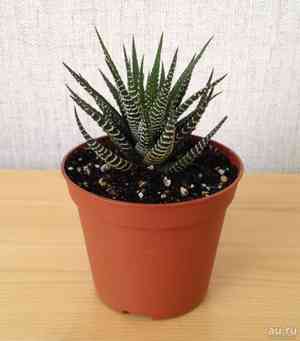
The Zebra plant (Haworthiopsis attenuata) offers a unique and attractive presence in any garden. Its striking leaves feature horizontal white stripes, reminiscent of a zebra, which impart an exotic flair and capture attention. The plant's rosette growth habit provides structural integrity and balance, making it an excellent choice for borders, container arrangements, or as a central feature.
The Role of Zebra Plant in Contemporary Garden Designs
The Zebra plant holds significant value in modern garden aesthetics due to its captivating look and minimal upkeep. It serves as an excellent accent in minimalist settings, complementing clean lines and structured layouts. Its natural water retention also makes it perfect for xeriscaping, a water-wise landscaping technique that aligns seamlessly with sustainable gardening practices.
Selecting the Optimal Site for Your Zebra Plant
Assessing Light and Shade for Optimal Growth
Zebra plant flourishes best in bright, indirect light. While it can withstand some direct sun exposure, it's crucial to shield it from intense afternoon rays to prevent leaf scorch. For peak health, choose a spot that receives morning sunlight and filtered shade in the afternoon. Indoors, locations near east or west-facing windows offer suitable light conditions.
Considering Soil Conditions and Drainage Requirements
Proper soil and effective drainage are vital for the Zebra plant's well-being. This plant prefers fast-draining soil, such as a succulent or cactus blend, to prevent waterlogging and root rot. Enhancing garden beds with coarse sand or perlite can improve drainage. Allowing the soil to completely dry out between watering is essential for maintaining a healthy Zebra plant in your outdoor space.
Integrating Zebra Plant into Thematic Landscapes
Creating a Focal Point with Zebra Plant in Rock Gardens
The Zebra plant can serve as a captivating focal point in rock gardens due to its distinct texture and form. When arranged with various sizes and colors of rocks, the contrasting elements highlight the plant's inherent beauty. Placing Zebra plant among other succulents and cacti can result in a harmonious and visually engaging rock garden that stands out in any landscape.
Combining Zebra Plant with Other Species for Aesthetic Contrast
Pairing Zebra plant with other flora can enhance your garden's visual dynamism. Arranging it with plants of varying heights, textures, and hues can create striking contrasts. For example, juxtaposing the Zebra plant's compact, rosette form with taller, slender ornamental grasses or vibrant flowering plants can produce a visually rich and multi-layered garden bed. Integrating Zebra plant with other drought-tolerant species, such as sedums and echeverias, reinforces a cohesive and resilient landscape design.
Maintenance Guidelines for Zebra Plant in Landscapes
Routine Checks and Seasonal Care Essentials
Maintaining a healthy Zebra plant requires consistent, though minimal, attention. Regular inspection for stress indicators, like yellowing leaves or decay, can avert potential issues. During the active growth period, watering every two to three weeks is typically adequate, with reduced frequency in colder months. Modest fertilization with a balanced, diluted succulent feed during the growing season can encourage vigorous growth.
Managing Pests and Common Landscape Issues
Zebra plant is generally resistant to pests, but it may occasionally attract mealybugs or spider mites. Regular scrutiny and prompt intervention can mitigate these problems. Gently cleaning the leaves with a damp cloth can remove dust and deter pest colonization. In case of infestations, applying insecticidal soap or neem oil can effectively control pests without harming the plant. Ensuring good air circulation and avoiding overwatering are also critical preventive strategies.
Advantages of Including Zebra Plant in Your Garden
Environmental Benefits and Sustainability
Incorporating Zebra plant into your garden promotes environmental sustainability. Its low water consumption supports water conservation efforts, and its ability to flourish in less fertile soils reduces the necessity for chemical fertilizers. Furthermore, Zebra plant can enhance soil health by preventing erosion, making it a valuable addition to eco-conscious gardens.
Enhancing Property Value and Aesthetic Appeal
A well-designed garden featuring Zebra plant can significantly boost your property's curb appeal and market value. The plant's distinctive appearance adds an exotic and sophisticated touch to the landscape, making your garden truly remarkable. Its low-maintenance nature also appeals to potential buyers seeking beautiful yet easy-to-manage garden spaces, making it a smart investment for any property.



