Enhancing Your Garden Design with the Firebush Plant: A Landscaping Guide
1
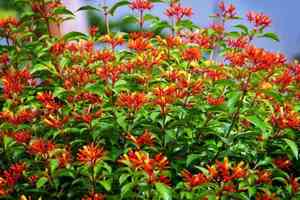
Firebush provides a lively appearance capable of improving any garden space.
2
Firebush flourishes in warmer climates receiving ample sun exposure.
3
Consistent care guarantees Firebush remains robust and colorful over time.
Introducing Firebush: A Lively Addition to Your Garden
Understanding the visual appeal of Firebush
A key feature of Firebush is its striking beauty. With its bright, fiery red blossoms, it brings a stunning burst of color to any garden, making it an excellent choice for those aiming to create a visually pleasing outdoor space. The thick foliage and dynamic growth habit of Firebush form a rich backdrop that can enhance other plants in your garden.
Regions where Firebush flourishes best
Firebush thrives primarily in warmer climates, making it a popular option in areas with mild winters and hot summers. It performs exceptionally well in USDA zones 9-11, where sunlight is plentiful, and temperatures are consistently warm. Gardeners in cooler regions can still enjoy Firebush by planting it in containers and moving them indoors during winter.
Seasonal behaviors of Firebush in garden settings
Throughout the year, Firebush undergoes various changes. In spring and summer, it blooms profusely, attracting pollinators like butterflies and hummingbirds. During autumn, its leaves can develop a reddish hue, adding another layer of color to your garden. Winter in warmer areas sees Firebush retaining its green foliage, providing year-round green coverage and visual interest.
Designing with Firebush: Strategic Placement and Combinations
Optimal spots for planting Firebush in your yard
Finding the ideal location for Firebush in your garden involves considering several factors, such as sunlight, soil type, and available space. Firebush prefers full sun and well-drained soil, making it perfect for borders, along fences, or as part of a mixed shrub arrangement. Ensure it has ample room to spread, as it can grow both tall and wide, creating a bushy, dense appearance.
Complementary plants for Firebush in landscape designs
When planning your garden, consider pairing Firebush with plants that complement its intense color. Think about incorporating plants like ornamental grasses, which can offer a contrasting texture, or plants with purple or white flowers to balance the color scheme. This combination not only creates visual interest but also supports biodiversity by attracting diverse pollinators.
Using Firebush to create focal points and boundaries
Given its vibrant flowers and dense growth, Firebush works wonderfully as a focal point in garden designs. Plant it in prominent areas where its bright blooms can capture attention. Additionally, Firebush makes excellent borders, providing a lush and consistent look that can define and structure your garden spaces. Its height and spread can create natural divisions or be used to screen less attractive areas.
Maintaining Firebush in Your Landscape: Practical Advice
Seasonal care tips for Firebush
To keep Firebush healthy and looking its best, aim for regular seasonal maintenance. In spring, trim back any dead or overly long branches to encourage fuller growth. During the active growing season, ensure consistent watering, especially during dry periods. In autumn, a light pruning can prepare the plant for winter, while mulching helps protect the roots from colder temperatures.
Addressing common issues in growing Firebush
While relatively robust, Firebush can encounter a few problems. Watch for common pests like aphids and spider mites, and consider organic insecticidal treatments if necessary. Ensure proper drainage to prevent root rot, and monitor for any signs of fungal diseases, which can often be managed with appropriate fungicides and improved air circulation.
Long-term health and vitality of Firebush
For the long-term health of Firebush, regular feeding with a balanced fertilizer can support vigorous growth and vibrant blooms. Keeping the soil well-drained and periodically refreshing the mulch around its base will help maintain optimal growing conditions. Consistent observation and timely interventions ensure that Firebush remains a prominent feature in your landscape for years to come.
Benefits of Incorporating Firebush in Landscape Projects
Environmental advantages of including Firebush
Incorporating Firebush into your landscape offers several environmental benefits. Its flowers attract pollinators such as bees, butterflies, and hummingbirds, contributing to the local ecosystem's well-being. Firebush can also help in reducing soil erosion due to its dense and extensive root system, which effectively stabilizes the soil.
How Firebush can boost property value
A thoughtfully designed landscape featuring Firebush can significantly enhance your property's curb appeal and overall worth. The vibrant colors and lush greenery create a strong first impression, often leading to higher property valuations and more interest from potential buyers if you decide to sell your home.
The impact of Firebush on biodiversity and ecosystem health
Including Firebush in your garden contributes positively to biodiversity. The flowers provide nectar and support various pollinators, while the dense foliage can offer habitat for small wildlife. This cascading effect supports a healthier ecosystem, promoting balance and resilience in your garden's plant and animal life.



