Enhancing Your Garden Design with the Broom snakeweed Plant: A Landscaping Guide
1
Broom snakeweed is a hardy plant that flourishes in diverse soil types.
2
Incorporating Broom snakeweed into your landscape design supports eco-friendly gardening methods.
3
Broom snakeweed complements many other plants, making it a flexible choice for any garden.
Introducing Broom Snakeweed in Garden Design
Overview of Broom snakeweed's natural look and growth habits
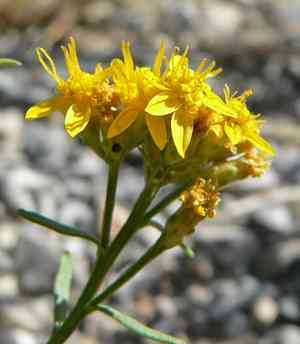
Broom snakeweed's inherent appearance and growth patterns make it an appealing and practical choice for garden settings. Recognized for its shrubby, green stems and small yellow blossoms, Broom snakeweed can reach heights of up to 3 feet, depending on environmental factors. It is a resilient plant that flourishes in diverse climates, making it suitable for various regions. Its capacity to endure poor soils and arid conditions positions it as a low-maintenance option for gardeners aiming for a sustainable landscape.
Advantages of incorporating Broom snakeweed into contemporary garden designs
Integrating Broom snakeweed into modern garden designs offers several advantages. Firstly, its hardiness in challenging conditions reduces the need for intensive care and upkeep, making it perfect for busy gardeners. Additionally, it provides a habitat for beneficial insects and wildlife, contributing to ecological diversity. Furthermore, its aesthetic appeal with bright yellow flowers can create striking visual contrasts and add vibrant color to any garden layout.
Pairing Broom Snakeweed with Other Plants
Compatible plants that complement Broom snakeweed
Integrating Broom snakeweed with other plants in your garden can enhance both visual appeal and ecological benefits. Some plants that pair well with Broom snakeweed include ornamental grasses, which complement its texture and form. Native wildflowers are also excellent companions, providing a harmonious look and supporting local ecology. Additionally, succulents and other drought-tolerant plants can be great matches due to their similar water requirements.
Design recommendations for balanced visual appeal
When designing your garden, consider balance and texture to achieve a visually pleasing aesthetic. Placing Broom snakeweed in groupings or clusters can create a fuller look, while integrating it with plants of varying heights adds dimension. Use Broom snakeweed as a backdrop for shorter plants, or blend it with taller plants to create layers. Mixing plants with contrasting leaf shapes and colors can also enhance your landscape's visual interest.
Seasonal Considerations for Broom Snakeweed
Managing Broom snakeweed's seasonal growth and dormant periods
Broom snakeweed exhibits distinct seasonal growth and dormancy phases that necessitate different management approaches. During the active growing season, regular watering (though not excessive) and occasional pruning can promote healthy growth and abundant flowering. In its dormancy phase, typically during the colder months, it needs minimal care. Cutting back dead stems at the end of the season can help maintain its shape and encourage robust growth in the next cycle.
Seasonal care tips to boost garden vibrancy
To keep your garden vibrant year-round, integrate seasonal care practices for Broom snakeweed. Mulching around the base can help retain moisture in summer and insulate roots in winter. Fertilizing in early spring can boost growth, while deadheading spent flowers will encourage continuous blooming. Regularly checking for pests and diseases ensures that any issues are addressed promptly, keeping your landscape healthy and attractive throughout the year.
Sustainable Practices with Broom Snakeweed
Water conservation techniques suitable for Broom snakeweed
Water conservation is a key aspect of sustainable gardening, and Broom snakeweed is well-suited for this approach due to its low water requirements. Implementing drip irrigation systems can provide efficient watering directly to the roots. Using mulch helps retain soil moisture, reducing the frequency of watering. Additionally, collecting and using rainwater for irrigation can further conserve resources and ensure that Broom snakeweed thrives without depleting water supplies.
Environmentally friendly pest control in gardens with Broom snakeweed
Eco-friendly pest management practices are essential for maintaining a healthy and sustainable landscape with Broom snakeweed. Encouraging natural predators, such as ladybugs and birds, can help control pest populations. Using organic pesticides and avoiding harsh chemicals ensures that beneficial insects and soil health are protected. Regular monitoring and early intervention can prevent pest issues from escalating, promoting a thriving, balanced garden ecosystem.



