Enhancing Your Garden Design with the Silky oak Plant: A Landscaping Guide
1
Silky oak is recognized for its impressive look and vigorous development, making it a prominent element in any garden.
2
When establishing Silky oak, take into account elements such as ground composition, sun exposure, and area to guarantee ideal development.
3
Incorporating Silky oak alongside suitable plant varieties can establish an attractive, harmonious, and flourishing environment.
Introducing Silky Oak in Landscape Design
Understanding Silky Oak's Distinctive Qualities
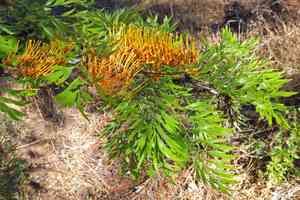
Silky oak offers a remarkable addition to any outdoor space due to its unique characteristics. Its striking foliage and impressive appearance quickly make it a central feature in gardens. Grasping these traits is vital for effective landscape planning. The silvery-gray leaves and yellow-orange blossoms of Silky oak can introduce a vibrant burst of color and texture to your garden. Furthermore, its rapid growth and resilience make it an excellent option for filling larger areas in your landscape scheme.
The Role of Trees like Silky Oak in Garden Aesthetics
Trees such as Silky oak play a crucial part in the visual appeal of a landscape. Their towering presence and abundant leaves offer shade, boost privacy, and form natural, attractive barriers. Beyond their practical uses, trees contribute to the visual harmony of a garden. Incorporating Silky oak into your landscape can help balance other design elements, establish focal points, and delineate various garden zones, ultimately leading to a well-rounded and visually pleasing garden.
Selecting the Optimal Site for Silky Oak in Your Garden
Key Considerations: Soil, Sunlight, and Space
When choosing the ideal spot for Silky oak, several critical factors must be weighed. First, soil type is essential; Silky oak thrives in well-draining soils with a pH between 6.0 and 7.5. Sunlight is another vital elementâthis plant prefers full sun to partial shade for optimal development. Also, consider the available space; Silky oak can grow quite tall and wide, requiring ample room for its branches to spread. Proper spacing ensures adequate airflow and sunlight, reducing disease risk and promoting vigorous growth.
Envisioning Silky Oak in Various Garden Areas
Visualizing Silky oak in different parts of your landscape can aid in better garden layout planning. Picture Silky oak as a solitary specimen tree in the center of a lawn, serving as a dramatic focal point. Alternatively, it can be strategically positioned along property boundaries, providing natural privacy screening. The key is to imagine how Silky oak will interact with other garden elements, such as shrubs, flowers, and pathways. This visualization helps create a cohesive and harmonious landscape design.
Integrating Silky Oak with Other Plant Varieties
Compatible Plant Species that Flourish Alongside Silky Oak
Combining Silky oak with other plants can enhance your garden's overall beauty and utility. For a harmonious landscape, consider planting complementary species that thrive in similar conditions. Native grasses, flowering shrubs, and perennial plants can create an attractive undergrowth, adding layers and depth to your garden. Plants like lavender, sage, and yarrow make excellent companions, as they contrast beautifully with Silky oak's foliage and share similar sunlight and soil requirements.
Design Approaches for Layering and Color Balance
Effective garden design involves strategies for layering and color balancing to create visual interest. Layering with Silky oak can be achieved by planting taller species at the back and shorter ones in the front, creating a tiered effect that provides depth and dimension. Color balancing is also crucial; pairing the silvery-gray foliage of Silky oak with plants that have contrasting colors, like purple or blue flowers, can make your garden more vibrant. Careful consideration of plant heights, textures, and colors will result in a balanced and aesthetically pleasing garden.
Seasonal Considerations for Silky Oak in Landscaping
Adapting the Landscape to Highlight Silky Oak's Seasonal Charm
Each season presents different challenges and opportunities for showcasing Silky oak's beauty. During spring and summer, Silky oak blooms with its characteristic yellow-orange flowers, creating a vibrant focal point. Adjust your landscape by adding seasonal flowers or annuals that complement Silky oak's blossoms. In autumn, the changing leaf colors can provide a beautiful contrast, while winter necessitates protecting Silky oak from frost and cold winds. Seasonal adaptations can keep your garden looking lush and inviting throughout the year.
Maintenance Advice Across Different Seasons
Maintaining Silky oak involves distinct care practices throughout the year. In spring, focus on pruning to shape the plant and encourage healthy growth. Summer requires consistent watering, especially during dry periods, to keep Silky oak hydrated. Fall is the time to clear fallen leaves and prepare the plant for winter. During winter, ensure that Silky oak is mulched to protect its roots from frost. Consistent maintenance will not only keep Silky oak healthy but also enhance its appearance and performance across all seasons.
Silky Oak's Impact on Biodiversity and Ecosystem Health
The Ecological Advantages of Including Silky Oak in Landscapes
Incorporating Silky oak into your landscape can yield significant ecological benefits. This plant provides habitat and sustenance for various wildlife, including birds and insects, which contributes to local biodiversity. Trees like Silky oak also improve air quality by absorbing pollutants and releasing oxygen. Furthermore, their root systems help prevent soil erosion and maintain soil health. Including Silky oak in your garden can thus play a crucial role in supporting and enhancing your local ecosystem.
Fostering Wildlife Through Thoughtful Plant Selection
Careful plant choice can significantly boost wildlife in your garden. By opting to plant Silky oak and other native species, you create a welcoming environment for local fauna. Birds are particularly drawn to Silky oak for its nectar-rich flowers and seeds. Planting a variety of native shrubs and perennials alongside Silky oak can create a diverse habitat that supports different types of wildlife. This thoughtful approach not only enhances biodiversity but also contributes to a healthier and more sustainable ecosystem.



