Enhancing Your Garden Design with the Honey locust Plant: A Landscaping Guide
1
The distinct aesthetic qualities of Honey locust make it a remarkable feature in any landscape.
2
Honey locust is recognized for its resilience and minimal care requirements.
3
Adding Honey locust can improve the appeal of both classic and modern garden aesthetics.
Exploring the Visual Appeal of Honey locust
Visual Traits: Discover the Distinctive Appearance of Honey locust
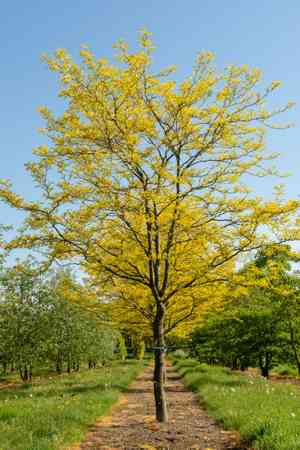
When selecting plants for your outdoor space, visual appeal is often the primary factor. Honey locust stands out with its unique characteristics â from its delicate leaves casting intricate shadows to the interesting textures of its bark and thorns. These distinct features not only add depth but also introduce diversity to the landscape. The sunlight filtering through its canopy creates a peaceful dappled shade, offering a calm retreat within your garden. This combination of striking looks and natural grace makes Honey locust an excellent focal point or complementary plant in your outdoor area.
Seasonal Transformations: What to Expect from Honey locust Throughout the Year
One of the pleasures of gardening is observing your plants change and develop with the seasons, and Honey locust certainly delivers. In spring, it emerges with fresh, vibrant green leaves that signal the arrival of warmer months. By autumn, these leaves turn a golden shade, adding a burst of vivid color to your garden. Even in winter, the bare branches of Honey locust create a sculptural presence, ensuring it remains an interesting feature year-round. This consistent seasonal interest makes Honey locust a versatile addition, capable of enhancing the garden's beauty regardless of the time of year.
How Honey locust Enhances Various Landscape Styles
Integrating Honey locust into Traditional Garden Designs
Honey locust is an adaptable plant that can seamlessly integrate into traditional garden designs. Whether your garden features classic flower beds, meticulously maintained lawns, or antique stone pathways, Honey locust can elevate the charm and sophistication of the setting. Its light, airy foliage provides a subtle contrast to more solid, structured elements like hedges or brick walls. Furthermore, the shade it provides can support an underplanting of shade-loving flowers and shrubs, adding layers of interest and variety to your traditional garden.
Incorporating Honey locust in Modern Outdoor Spaces
For those with a more contemporary aesthetic, Honey locust can be a stunning addition to modern outdoor spaces. Its sleek, minimalist form pairs well with clean lines and geometric shapes often found in modern garden design. Whether planted alongside a minimalist patio or used as a focal point casting playful shadows over an outdoor seating area, Honey locust offers both aesthetic and practical advantages. Its versatile nature means it can be used to soften the edges of hardscaping elements or stand as a bold, standalone feature in a streamlined garden layout.
The Practical Advantages of Choosing Honey locust for Landscaping
Durability and Resilience: Why Honey locust is a Smart Choice
One of the primary benefits of selecting Honey locust for your landscape is its impressive durability and resilience. This plant is renowned for its ability to endure a wide range of environmental conditions, from urban pollution to diverse soil types. This hardiness makes it an ideal option for gardeners seeking a dependable plant that can thrive with minimal intervention. Additionally, its robust nature means it can tolerate heavy pruning, allowing you to shape it to fit your garden's aesthetic without concern for damaging the plant.
Low Maintenance: Ease of Care for Honey locust
In today's busy world, a low-maintenance garden can be a true asset, and Honey locust fits this description perfectly. This plant requires minimal upkeep once established, making it an excellent choice for both beginner gardeners and those looking to reduce their gardening workload. Its natural resistance to common pests and diseases means you can spend less time on plant care and more time enjoying your garden. Regular watering during the plantâs initial growth period and occasional pruning to maintain its shape are typically all that's needed to keep Honey locust healthy and vibrant.
Integrating Honey locust with Other Plants
Complementary Planting Ideas for Honey locust
When planning your garden, it's essential to consider how different plants will interact and enhance each other. Honey locust can be a wonderful companion to a variety of other plants. Its shade can create a favorable environment for underplanting with ferns, hostas, or early spring bulbs like snowdrops and daffodils, which thrive in filtered light. Additionally, pairing Honey locust with contrasting foliage plants or colorful perennials can highlight its unique texture and form, creating a dynamic and visually appealing garden composition.
Avoiding Common Planting Errors with Honey locust
While Honey locust is versatile, certain planting mistakes can impede its growth and aesthetic potential. Avoid planting it too close to structures, as its root system can become extensive. Additionally, ensure it has ample space to spread both above and below ground to prevent overcrowding, which could lead to poor air circulation and increased susceptibility to disease. Properly researching and planning the placement of Honey locust in your garden can help avoid these common pitfalls and ensure your plant thrives.
Evaluating the Long-Term Impact of Adding Honey locust to Your Garden
Future Growth Projections: Planning for Maturity
Considering the long-term impact of adding Honey locust to your garden is crucial for ensuring it remains an asset as it matures. Honey locust can grow quite large, both in height and spread, which means itâs important to anticipate its future growth when planning your garden layout. Giving it ample space to grow will prevent it from outcompeting nearby plants and ensure it can develop fully without causing issues. Thoughtful placement and foresight will allow Honey locust to mature gracefully, becoming a long-term fixture in your garden.
Environmental Considerations: Is Honey locust Eco-Friendly?
With growing awareness of environmental sustainability, choosing eco-friendly plants is more important than ever. Honey locust contributes positively to the environment by providing habitat and food for wildlife, including birds and beneficial insects. Additionally, its ability to fix nitrogen in the soil can improve soil health and reduce the need for synthetic fertilizers. However, it's essential to be mindful of its potential invasiveness in certain regions. Understanding and balancing these factors can help ensure that integrating Honey locust into your garden aligns with your environmental goals and benefits the broader ecosystem.



