Enhancing Your Garden Design with the Ground ivy Plant: A Landscaping Guide
1
Creeping charlie can function as a ground cover, offering a dense, verdant layer for your outdoor space.
2
Integrating Creeping charlie into your garden design can boost aesthetic charm by harmonizing with other plant types.
3
Consistent upkeep is crucial for controlling the growth and vitality of Creeping charlie.
Understanding Ground Ivy's Role in Landscaping
Introduction to Ground Ivy in Outdoor Settings
Ground ivy is a adaptable plant that can significantly enhance various landscape designs. Often recognized for its creeping habit and vibrant green foliage, Ground ivy can blanket the ground, offering a natural defense against weeds and soil erosion. Its resilience allows it to thrive in diverse conditions, from sunny lawns to shaded garden spots, improving the overall look of any outdoor area.
Advantages of Integrating Ground Ivy into Garden Plans
There are many advantages to incorporating Ground ivy into your landscape design. Firstly, it demands relatively little upkeep, requiring minimal intervention once established. Furthermore, it flourishes in various soil types and pH levels, making it a flexible option for gardeners. Its root system helps stabilize soil, reducing erosion, and its extensive coverage can suppress weed growth, lessening the need for chemical herbicides.
Visual Appeal: How Ground Ivy Complements Other Plants
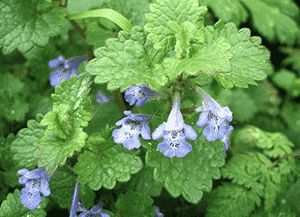
Visually, Ground ivy provides a rich green backdrop that makes other plants and flowers stand out. Its small, rounded leaves and delicate purple blooms offer a subtle yet striking contrast to the bold hues of ornamental plants. When used thoughtfully in a garden, Ground ivy can create a unified and harmonious look, bridging gaps between different plant varieties and adding a touch of elegance to your landscape.
Creative Uses for Ground Ivy in Your Garden
Utilizing Ground Ivy as Ground Cover: Benefits and Drawbacks
A popular method for using Ground ivy in your garden is as ground cover. The advantages of this approach include reduced weed proliferation, soil stabilization, and a uniform green appearance. However, there are some disadvantages to consider. Due to its rapid spread, Ground ivy can sometimes become invasive, overtaking other plants if not properly managed. To prevent this, regular trimming and monitoring of its growth are essential.
Designing Pathways with Ground Ivy: A Step-by-Step Guide
Crafting pathways with Ground ivy is an imaginative way to introduce a natural, organic feel to your garden. Start by outlining the desired path and clearing the area of any debris. Next, install a weed barrier to inhibit weed growth. Plant Ground ivy along the pathway's edges, ensuring ample space for it to spread. Water consistently until established, and periodically trim the edges to maintain a tidy appearance. The outcome will be a beautiful, green-bordered path that invites exploration of your garden.
Incorporating Ground Ivy with Water Features or Rock Gardens
Integrating Ground ivy with water features or rock gardens can impart a sense of calm and sophistication to your landscape. Around water features, Ground ivy's lush greenery can enhance the tranquil atmosphere, while its ability to thrive in moist environments makes it a suitable companion plant. In rock gardens, Ground ivy can soften the appearance of stones and provide a verdant backdrop that accentuates the textures and colors of the rocks. Ensure adequate spacing and consistent maintenance to prevent overgrowth and preserve visual balance.
Maintaining Ground Ivy's Beauty in Your Landscape
Seasonal Adjustments for Optimal Ground Ivy Growth
To ensure Ground ivy's best growth, it's crucial to adapt your gardening practices seasonally. In spring, prune back any dead or overgrown sections to encourage new development. During summer, provide consistent watering, especially during dry periods, to keep the plant healthy. In fall, remove fallen leaves that could smother the plant, and apply a layer of mulch to protect it from winter cold. These seasonal care tips will help maintain Ground ivy's lush appearance throughout the year.
Controlling Ground Ivy's Spread: Practical Advice
Ground ivy can spread quickly, so managing its growth is vital to keep your garden balanced. Regular pruning is essential; cut back overgrown sections to prevent Ground ivy from encroaching on other plants. Installing physical barriers, such as garden edging or landscape fabric, can also help control its spread. Consistent inspection and prompt removal of any unwanted growth ensure that Ground ivy remains a delightful part of your landscape rather than a nuisance.
Addressing Common Challenges When Cultivating Ground Ivy
Cultivating Ground ivy can present some difficulties, such as susceptibility to pests and diseases. Common pests include aphids and spider mites, which can be managed with regular applications of insecticidal soap. Diseases like powdery mildew can be resolved by ensuring good air circulation and avoiding overhead watering. Regular monitoring and swift action at the first sign of trouble will help keep your Ground ivy healthy and flourishing.



