Enhancing Your Garden Design with the Maidenhair tree Plant: A Landscaping Guide
1
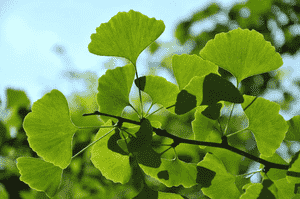
Ginkgo biloba is recognized for its distinctive fan-like leaves, which enhance the texture and aesthetic appeal of any landscape.
2
In autumn, Ginkgo biloba changes into brilliant yellow leaves, offering a stunning seasonal spectacle.
3
Ginkgo biloba is an easy-to-care-for, eco-friendly option for those aiming to reduce water consumption.
Introducing the Visual Appeal of Maidenhair Tree in Garden Design
Distinctive leaf form and texture: Offering visual appeal across seasons
Maidenhair tree is highly valued for its unique fan-shaped leaves, which lend a special texture and visual interest to any outdoor space. Throughout the year, these leaves present an ever-changing display, showcasing vibrant green in spring and summer, and golden tones in autumn. Their dynamic appearance keeps your garden captivating and attractive all year long.
Vibrant autumn color change: How Maidenhair tree excels in fall
In autumn, Maidenhair tree becomes a focal point in any garden due to its dramatic color shift. Its leaves transform into a brilliant yellow, creating a striking contrast against the typical browns and reds of the season. This vivid change mesmerizes observers and highlights the beauty of the shifting seasons, making Maidenhair tree an excellent option for enhancing fall landscapes.
Symbolic meaning: Adding cultural depth to your outdoor space
Maidenhair tree is more than just a beautiful plant; it also carries significant cultural symbolism. Often linked with longevity and endurance, Maidenhair tree can infuse a sense of history and cultural richness into your garden. Integrating this plant into your landscape design can make your garden not only aesthetically pleasing but also a place enriched with profound meaning.
Optimal Methods for Integrating Maidenhair Tree into Various Landscape Styles
Formal settings: Strategic placement for balance
In formal landscapes, Maidenhair tree can be strategically positioned to achieve symmetry and equilibrium. Its upright growth habit and consistent shape make it perfect for lining paths, framing entryways, or serving as focal points in a meticulously planned garden. By precisely placing Maidenhair tree, you can attain a refined and orderly look in your landscape design.
Informal gardens: Utilizing Maidenhair tree's natural form for a relaxed feel
For those who prefer a more relaxed and informal garden, Maidenhair tree can still be crucial. Its natural, somewhat irregular shape blends seamlessly into casual landscapes. Allow Maidenhair tree to grow more freely to enhance the unstructured, organic feel of such gardens. In this way, Maidenhair tree adds a touch of elegance without disrupting the casual atmosphere.
Modern designs: Combining Maidenhair tree with contemporary elements
In contemporary landscape designs, Maidenhair tree can complement modern features like clean lines and minimalist aesthetics. Its distinctive foliage and striking silhouette can introduce a natural element that balances more rigid and geometric design components. Pair Maidenhair tree with modern materials such as metal, stone, or concrete to create a harmonious blend of natural and modern beauty in your garden.
How Maidenhair Tree Enhances Other Plants in a Landscape Scheme
Elevating green spaces with Maidenhair tree's unique foliage
Maidenhair treeâs distinctive foliage can boost the visual appeal of green areas by introducing an unusual leaf shape that stands out. This characteristic can break the monotony of common greenery and add a unique character to your landscape. Consider combining Maidenhair tree with other plants to emphasize contrasts in shape and texture, creating a more dynamic and visually engaging garden.
Pairing Maidenhair tree with flowering shrubs for a harmonious appearance
To achieve a balanced and aesthetically pleasing landscape, combine Maidenhair tree with flowering shrubs. The bright, seasonal blooms of shrubs can complement the steady presence of Maidenhair tree, providing a burst of color and added layers of interest. This combination not only diversifies the visual appeal but also ensures that your garden has varied points of interest throughout the year.
Using Maidenhair tree's height for natural screening
Due to its stature, Maidenhair tree can serve as an effective natural privacy screen. When planted along property boundaries or near seating areas, Maidenhair tree offers seclusion without the need for artificial structures. Its dense canopy can also provide shade, creating a more comfortable and private outdoor space. Utilizing these qualities makes Maidenhair tree a practical and beautiful solution for enhancing privacy in your garden.
Year-Round Appeal: Maidenhair Tree's Contribution to Each Season
Spring revival: Early foliage as a sign of warmer weather
In spring, Maidenhair tree presents early foliage that signals the arrival of warmer days. Its fresh green leaves symbolize renewal and growth, revitalizing your garden after the dormant winter months. This initial burst of color can set the tone for the vibrant, blooming season ahead.
Summer strength: Full canopy offering shade
During summer, Maidenhair tree develops a full, robust canopy that provides much-needed shade. This feature not only cools the area beneath the tree, making outdoor spaces more enjoyable, but also contributes to the overall health of your garden by protecting understory plants from excessive sunlight.
Winter outline: Structural beauty during dormant periods
Even in winter, Maidenhair tree continues to add interest to the landscape with its striking silhouette. The tree's bare branches create intriguing shapes and shadows, adding structural beauty to the garden when most other plants are dormant. This architectural charm ensures that your garden retains its appeal even in the colder months.
Sustainable Landscaping with Maidenhair Tree: Eco-Friendly Aspects
Drought tolerance: Low water requirements promoting conservation
One of the key eco-friendly attributes of Maidenhair tree is its drought resistance. With minimal water needs, Maidenhair tree is an excellent choice for sustainable landscaping, fostering water conservation. This characteristic makes Maidenhair tree particularly suitable for regions with limited water resources or for gardeners aiming to reduce their environmental impact.
Longevity and resilience: Investing in an enduring landscape feature
Known for its longevity and resilience, Maidenhair tree represents a long-term investment in your landscape. This robust plant can thrive in various conditions, ensuring it remains a steadfast element in your garden for many years. Its durability minimizes the need for replacements, reducing waste and maintenance efforts.
Natural habitat support: Encouraging biodiversity in the garden
Maidenhair tree also contributes to supporting natural habitats and promoting biodiversity. It offers shelter and food for various wildlife, contributing to a balanced ecosystem in your garden. By incorporating Maidenhair tree, you create a more vibrant and life-sustaining environment, fostering harmony between plant and animal life.



