Enhancing Your Garden Design with the Bloody cranesbill Plant: A Landscaping Guide
1
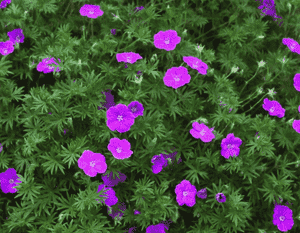
Geranium sanguineum brings vivid hues to your outdoor space, establishing it as a highlight in any garden layout.
2
Geranium sanguineum is an adaptable plant suitable for various garden aesthetics and environments.
3
Appropriate seasonal maintenance guarantees Geranium sanguineum flourishes and beautifies your garden throughout the year.
Introducing Bloody cranesbill for Garden Design
Appreciating the Visual Appeal of Bloody cranesbill
For enhancing your garden's visual charm, few plants rival the vivid allure of Bloody cranesbill. Its distinct foliage and striking blossoms provide an eye-catching burst of color that can elevate any landscape plan. The plant's bright and varied hues make it an excellent choice for generating visual interest, drawing attention, and adding dynamic elements to your garden. Whether used as a central feature or as part of a broader color scheme, Bloody cranesbill's aesthetic qualities are undeniable.
Seasonal Adaptability of Bloody cranesbill
Bloody cranesbill is a resilient plant capable of adjusting to diverse seasonal conditions, making it a dependable option for year-round landscaping. In spring and summer, it produces lush foliage and vibrant flowers that can transform your garden with lively colors. As autumn approaches, the leaves may adopt different shades, adding another layer of visual intrigue. During winter, Bloody cranesbill can endure colder temperatures, ensuring your garden remains appealing even in the off-season.
Integrating Bloody cranesbill into Various Garden Styles
Harmonizing Bloody cranesbill with Structured Garden Layouts
In formal garden settings, structure and symmetry are crucial elements. Bloody cranesbill can be seamlessly integrated into these designs due to its manageable growth and dignified appearance. Plant Bloody cranesbill along pathways or within neatly defined garden beds to enhance the geometric layout of a formal garden. The plantâs uniformity and vibrant blooms can also complement topiaries and structured features, creating a balanced and composed look.
Incorporating Bloody cranesbill into Relaxed/Cottage Gardens
For a more relaxed and whimsical garden style, such as cottage gardens, Bloody cranesbill is an ideal candidate. Its free-flowing growth and colorful flowers fit perfectly in an informal setting. Scatter Bloody cranesbill among other perennials and annuals to create a lush and layered look. The plantâs versatility allows it to coexist harmoniously with a variety of other plants, adding to the charming and organic feel of a cottage garden.
Utilizing Bloody cranesbill in Water-Wise Landscaping
Xeriscaping involves designing landscapes to reduce or eliminate the need for irrigation. Bloody cranesbill is well-suited for xeriscaping due to its drought-tolerant characteristics. Integrate Bloody cranesbill into rock gardens or dry landscapes where water conservation is a priority. The plantâs robustness and the ability to thrive in less-than-ideal soil conditions make it a go-to choice for creating beautiful, low-maintenance, and eco-friendly gardens.
Establishing Focal Points with Bloody cranesbill
Strategic Placement of Bloody cranesbill for Visual Impact
To create focal points in your landscape, consider the strategic placement of Bloody cranesbill. Position the plant where it can capture attentionâsuch as at the entrance of your garden, at the corners of your lawn, or as part of a central flower bed. Its vibrant blooms will stand out, drawing the eye and enhancing the overall visual appeal. Grouping multiple Bloody cranesbill plants together can amplify their impact, creating a striking visual statement.
Pairing Bloody cranesbill with Hardscape Elements
Combining Bloody cranesbill with hardscaping elements such as stone paths, retaining walls, or decorative rocks can create a beautiful contrast and deepen the textural richness of your garden. The soft, colorful blooms of Bloody cranesbill juxtaposed against the rigid and natural elements of hardscaping can bring balance and harmony to your outdoor space. Consider placing Bloody cranesbill near patios or garden benches to blend natural beauty with your yardâs architectural features.
Seasonal Maintenance Advice for Bloody cranesbill in a Landscape
Spring and Summer Maintenance
During spring and summer, Bloody cranesbill requires consistent watering, especially during extended dry periods. Mulching around the base can help retain moisture and suppress weeds. Removing spent flowers encourages more blooms, while a general-purpose fertilizer can support its growth. Monitor for pests and diseases, as early detection can prevent major problems.
Autumn and Winter Considerations
In autumn, trim back the stems of Bloody cranesbill to tidy up the plant and prepare it for winter. Apply a thick layer of mulch if you live in an area with harsh winters to protect the roots from freezing temperatures. Bloody cranesbill is relatively hardy, but ensuring it is well-prepared for winter can promote healthier growth in spring. Clear away any debris to reduce the risk of pests overwintering in your garden.
Common Questions about Bloody cranesbill in Landscape Design
Can Bloody cranesbill thrive in shaded areas?
Bloody cranesbill can tolerate partial shade but performs best in full sun. While it can grow in shaded areas, the flowering may be less abundant compared to plants grown in optimal sunlight conditions. Ensuring that Bloody cranesbill receives at least a few hours of direct sunlight daily will promote the best growth and blooming.
How often should Bloody cranesbill be trimmed for optimal growth?
Trimming Bloody cranesbill should be done in early spring to remove any dead or damaged stems and to shape the plant. Light pruning after the initial blooming period in summer can encourage further flowering. Regular deadheading helps maintain its appearance and promotes continuous blooming throughout the growing season.



